Choosing the Right I Beam for Your Construction Project

application/i-beam-construction, application/i-beam-construction, 
Inquiry
Inquiry

i beam construction

I beams are essential structural  components used in  construction projects,  providing strength  and support  to various types of buildings and infrastructures. When selecting the  right I  beam for your construction project, B2B  buyers  often prioritize factors  such  as load-bearing capacity, material quality, and  cost-effectiveness. This article  will guide you through the key considerations for  purchasing I beams, including how to choose the right  type, what buyers need  to know,  where  to  find reliable suppliers, cost factors to consider, and common applications in modern  construction.

Why choose Xingyuanxing i beam construction

Our Products

How to Choose the Right I Beam for Your Construction Project

Choosing the right I beam involves several critical considerations. First, assess the load requirements  of your project. I beams  are categorized by their load-bearing capacity, which depends on their dimensions, material, and cross-sectional shape. Common materials include structural steel and  aluminum, each offering different strength, weight, and  corrosion resistance properties.

Next, consider the dimensions of the  I beam.  The depth and  width of the beam must align with the spans and loads it will support. For instance, deeper beams generally provide higher  load capacities but may also increase overall weight and cost. Additionally,  verify any  local building codes  or regulations that may impact your  selection. If you are looking for reliable options, consider Hot-Dip Galvanized I-beam Profiles 10# For Humid Industrial Workshops which offer durability and strength.

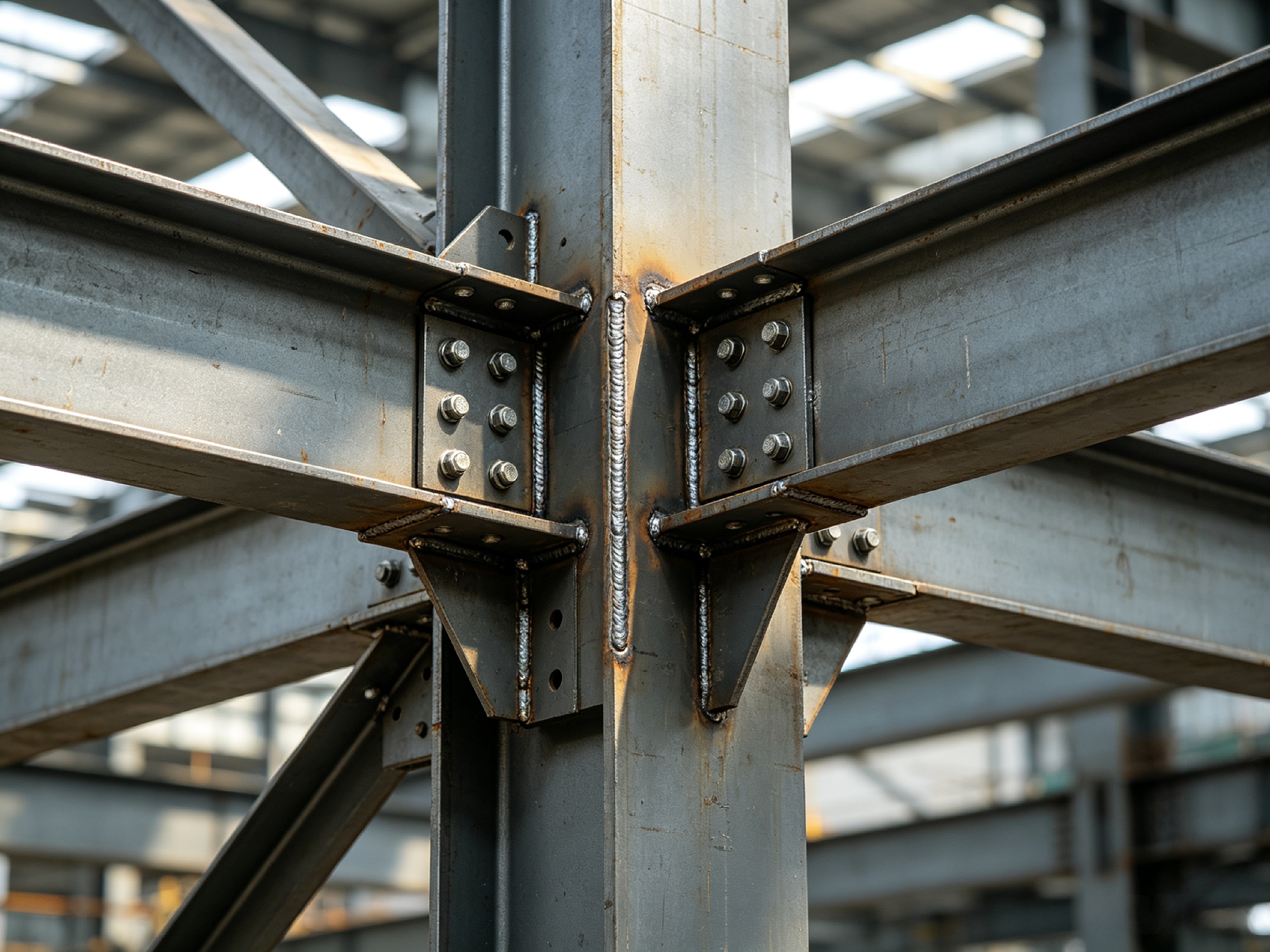
Finally, think about the beam's application. Different projects may require specific beam  variations, such as welded  or rolled I beams. A welded  I beam may be preferable  for bespoke structural designs, while rolled  beams are often more cost-effective for standard applications.  Understanding these nuances will help ensure you select  the appropriate I beam  for your construction needs.

Frequently Asked Questions

Our Blog Posts

What Our Partners Say

What Buyers Need to Know

What Buyers Need to Know

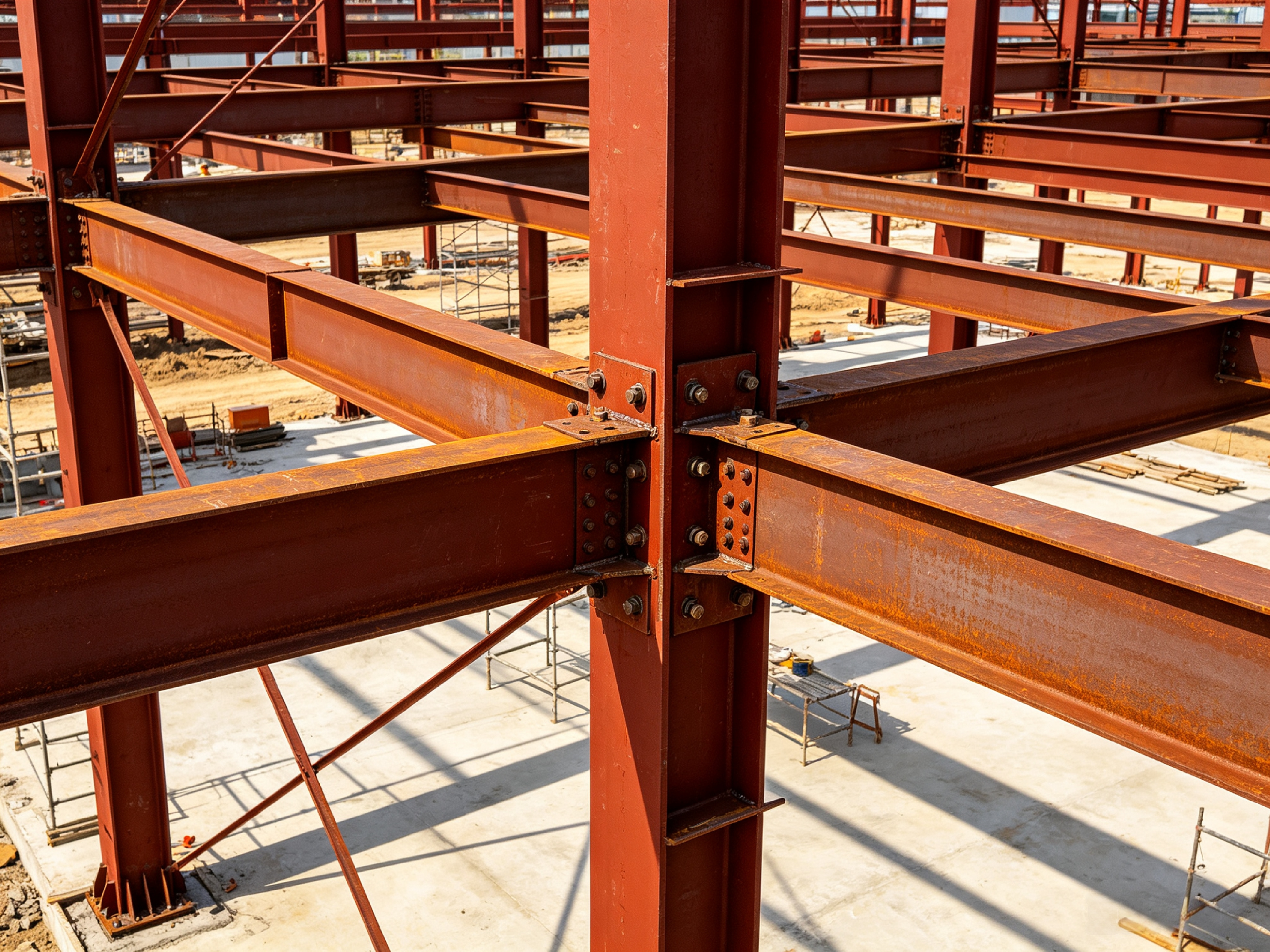
B2B buyers should  be  prepared with specific information when sourcing I beams. Key specifications to consider include the beam’s grade, which indicates  its strength and structural properties, and the  finish, which affects corrosion resistance.  For example, galvanized  beams are often used in environments prone  to moisture, while untreated steel may be suitable  for dry conditions. If you're considering galvanized options, Galvanized Several-Shaped Steel Profiles 50*70mm For Greenhouse Frames could also be an alternative.

Buyers  should also inquire about the  manufacturer’s quality  control processes. Reliable suppliers will have stringent inspection protocols  in place to ensure that each beam meets industry standards and customer  requirements.  Understanding these manufacturing processes can significantly reduce the risk of defects and  ensure structural  integrity.

Furthermore,  consider the supplier’s experience and reputation in the industry. An established supplier, like  Tianjin  Xingyuanxing Color Steel Structure  Co., Ltd., known for its integrated approach to steel structure engineering, fabrication, and installation, can offer insights and guidance based on years of practical experience in the field.

Where to Find Reliable Wholesale Suppliers of I Beams

Where to Find Reliable Wholesale Suppliers of I Beams

Finding  trustworthy wholesale suppliers  of I beams requires  thorough research. Start by leveraging industry networks and trade  associations, which can provide valuable recommendations. Additionally, online  marketplaces and directories can be  useful for identifying potential suppliers, but be sure to verify their credibility through reviews and testimonials.

When evaluating suppliers, consider their manufacturing capabilities and production equipment.  Suppliers with advanced machinery and  a well-defined production process are  more likely to deliver  consistent quality  and timely deliveries. Additionally,  inquire about their  customization capabilities, as some projects  may require specific tailoring of I beams to meet unique structural demands.

Lastly, engage with potential suppliers directly to discuss your  specific requirements. A reliable supplier will  be open to answering questions about their  products, providing samples for approval, and discussing lead times  and  pricing structures.

 
Cost Factors to Consider When Purchasing I Beams in Bulk

Cost Factors to Consider When Purchasing I Beams in Bulk

Understanding the  cost  factors associated with purchasing I beams in  bulk is crucial for effective budgeting. The first aspect to consider is the material  cost, which  can vary significantly between steel grades  and finishes. For instance, higher-grade steel will generally incur a higher cost but will offer better performance in demanding applications.

Labor costs associated with fabrication  and installation should also be factored into the total expenditure. If  the project requires custom fabrication, these costs can increase. Additionally, shipping  and handling  fees can add to  the total price,  especially  for bulk orders that  may  require specialized transportation arrangements.

Another important consideration is the minimum order quantity  (MOQ) set by suppliers. Some manufacturers may offer favorable pricing for larger  quantities, while others  may have higher MOQs that could impact your budget and inventory  management. Be sure to discuss these  details with your supplier to ensure you are making a cost-effective decision.

Applications of I Beams in Modern Construction Projects

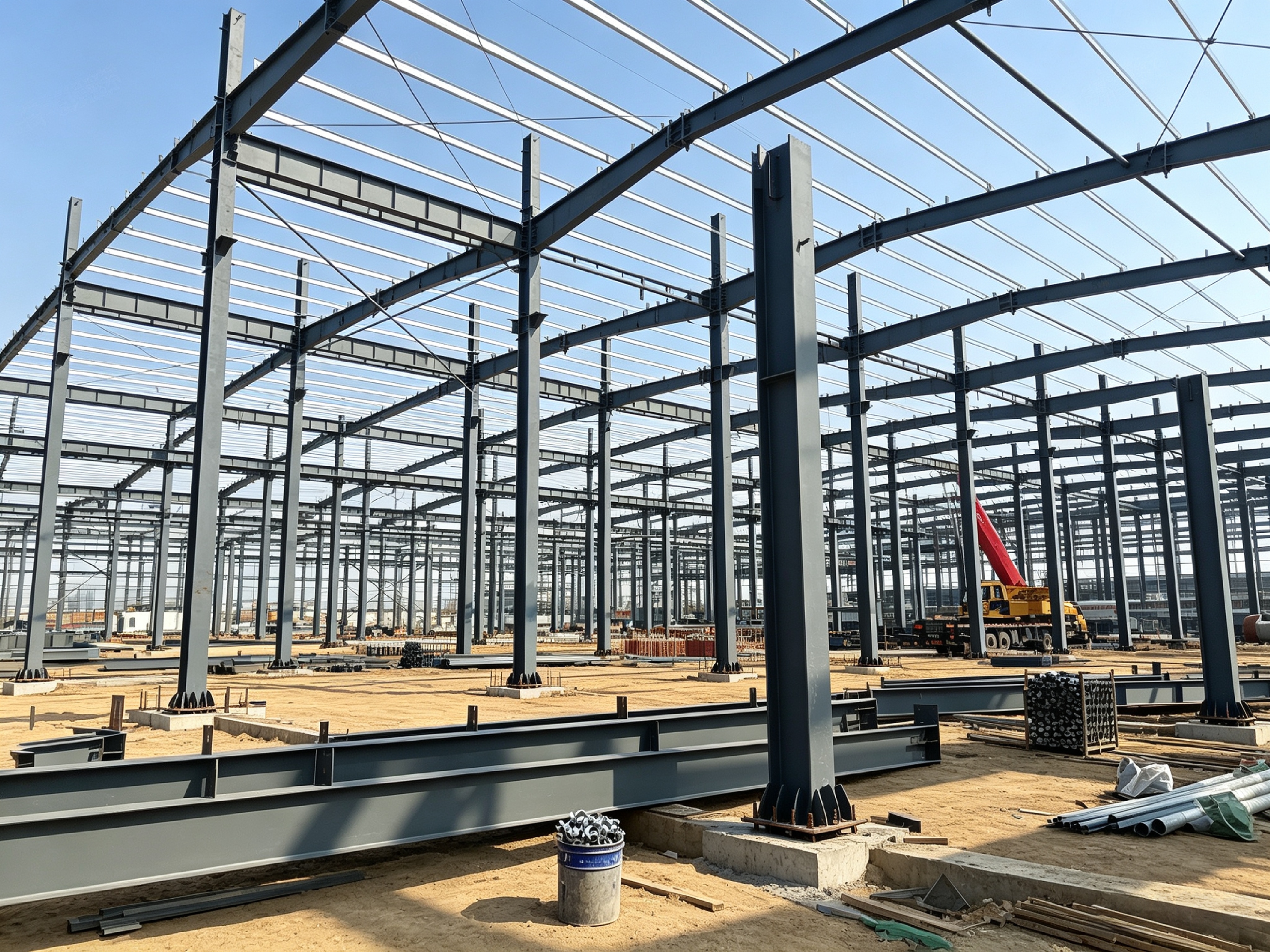
I beams  are widely utilized  in various modern construction projects due to their  structural advantages. They  are commonly found in commercial  buildings, bridges, and industrial structures, where they provide essential load-bearing support. In commercial construction, I beams are often  used in the framework of  multi-story buildings, as  they allow for larger open spaces within the interior.

In the context  of bridges, I beams offer the necessary strength to support heavy traffic loads while minimizing the overall weight of the  structure. Their shape also contributes to efficient load distribution, making them ideal for spanning long distances without requiring excessive vertical support.

In  industrial applications, I beams are frequently used in manufacturing facilities and warehouses, where  they support heavy machinery and storage  systems. Their versatility allows for easy integration with other structural components, making them a preferred choice for complex engineering projects.

Overall, understanding the applications  of I  beams in modern  construction can help buyers make informed decisions about their use and ensure the success of their projects.


By focusing on these  essential aspects—selection criteria, supplier evaluation, cost considerations, and  application suitability—B2B buyers can confidently approach their purchasing decisions regarding I beams, leading to successful construction projects that meet both functional and  budgetary requirements.