Steel Beams: Key Considerations for Sourcing

application/steel-beam, application/steel-beam, 
Inquiry
Inquiry

steel beam

When sourcing steel beams for construction or manufacturing projects, it's crucial  to  understand  the  various factors  that can  affect quality, performance,  and overall cost. Steel beams are essential  structural elements used in  buildings, bridges, and other infrastructures. This article  will  address key considerations for B2B buyers, including sourcing, evaluating  quality,  and  understanding cost factors associated with purchasing steel beams. By gaining insight into these  areas,  purchasing managers and engineers can make informed  decisions  that align  with their project  requirements.

Why choose Xingyuanxing steel beam

Our Products

What to Consider When Sourcing Steel Beams for Your Projects

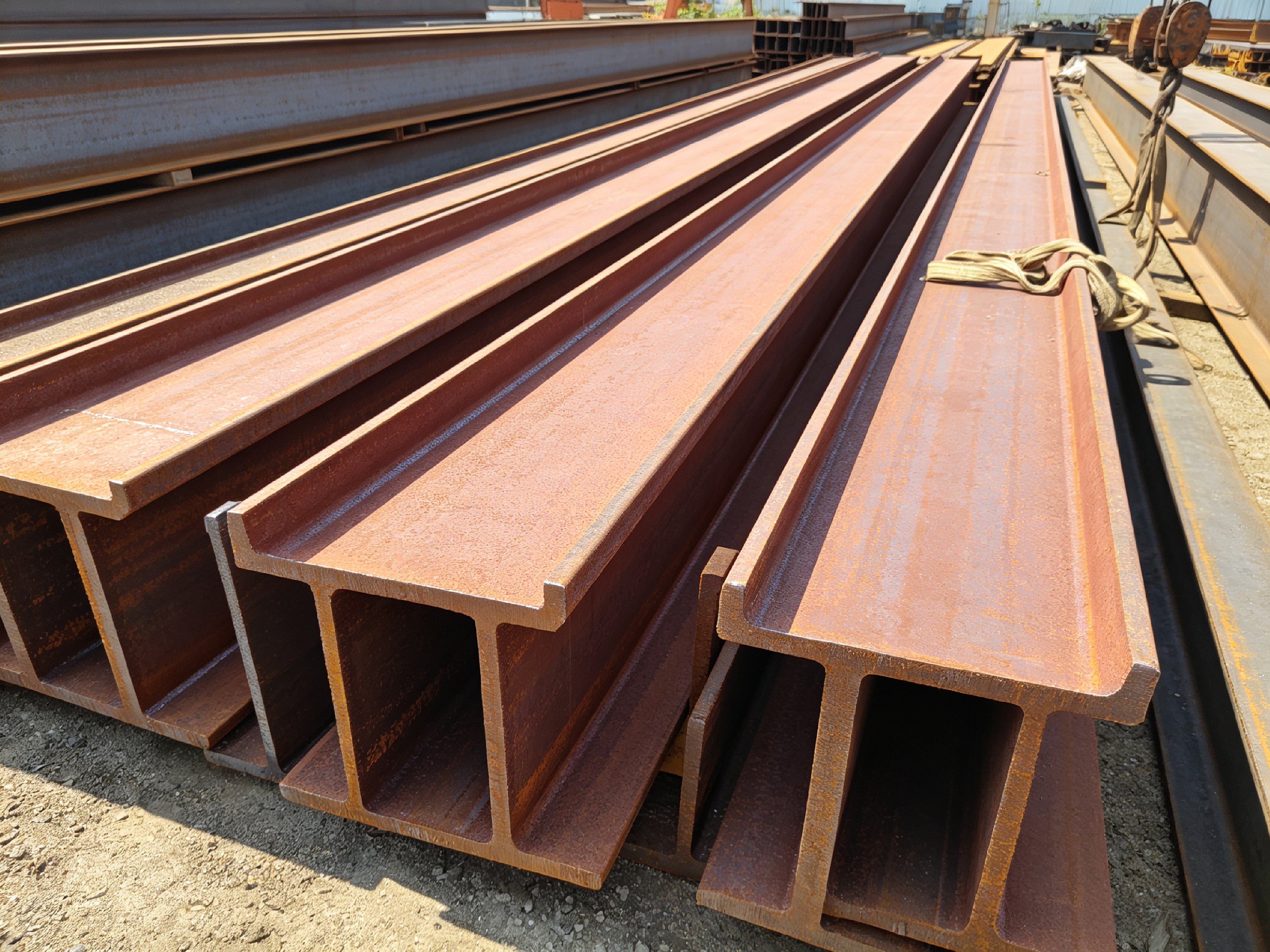
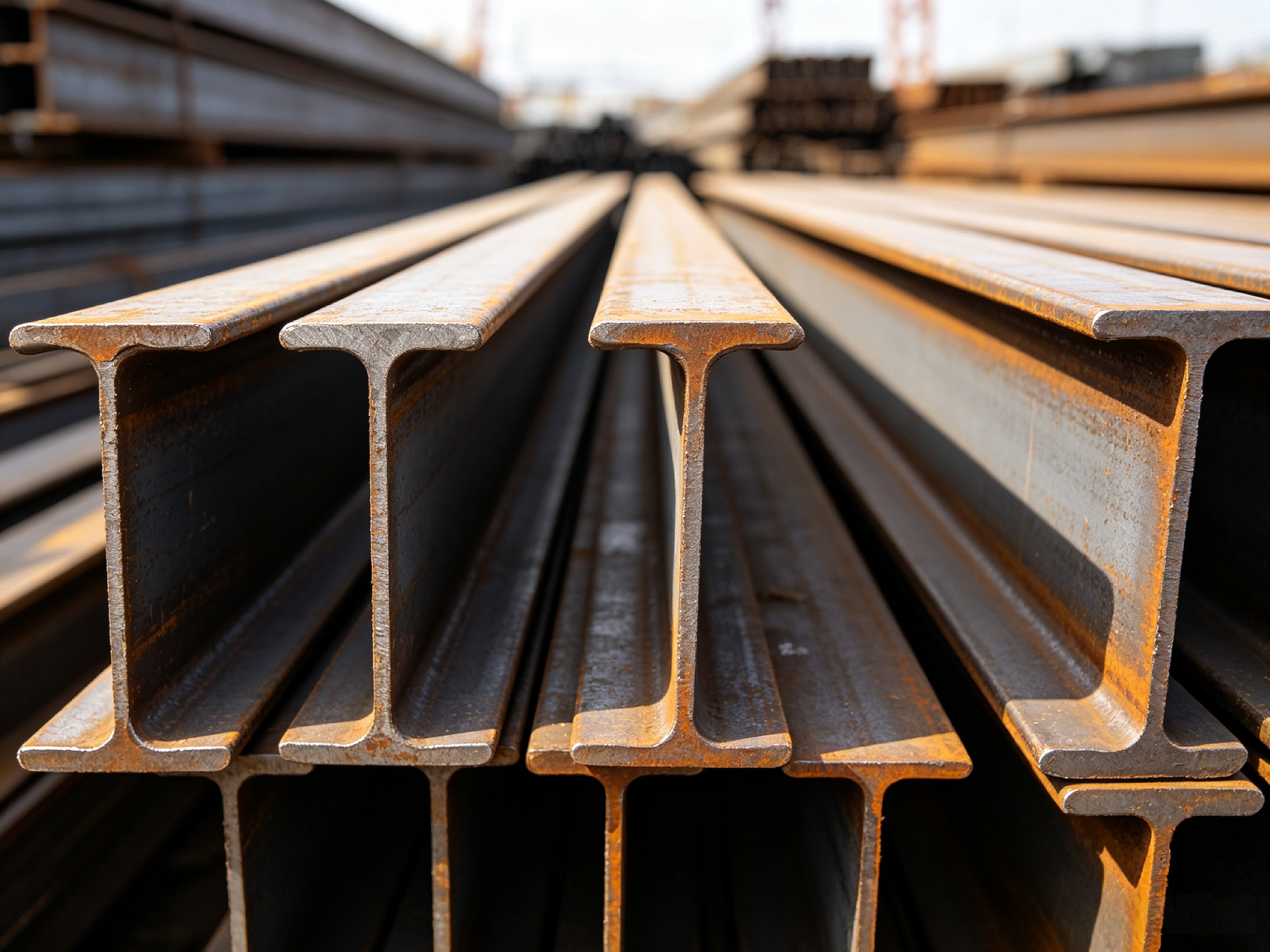
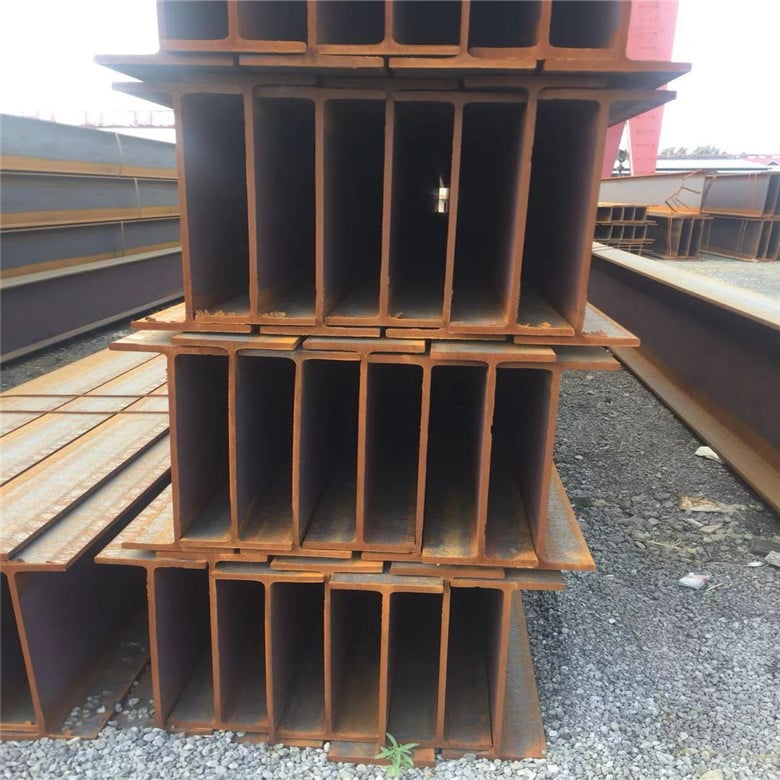
When sourcing steel beams, several critical factors must be considered to ensure that the selected beams meet the project specifications and requirements. Firstly, the  type of steel is essential; common  options include  carbon steel and structural steel, each  with different properties suited  for various applications. You should also consider the beam's size and shape, including standard configurations like I-beams, H-beams, and  channel beams. These factors influence load-bearing capabilities and  compatibility with other structural elements. For instance, you might want to explore options like Galvanized Several-Shaped Steel Profiles 50*70mm For Greenhouse Frames for specific applications.

Another important aspect is the manufacturing  process. Steel beams  can be fabricated using different techniques such as rolling, welding,  or cutting,  which can impact their structural integrity  and cost. Understanding the  supplier's production  capabilities, including their  equipment and technology, can provide insight into the quality and consistency of the beams produced.

Additionally, project requirements such as load  specifications, environmental  conditions, and local building codes should guide your sourcing decisions. Working with a supplier that has a proven track record in your specific region, like Tianjin Xingyuanxing Color Steel Structure Co., Ltd. in the Beijing-Tianjin-Hebei area, can enhance  reliability and compliance with local standards. For example, consider using Corrosion-Resistant Hot-Dip Galvanized Round Tube Q235B For Greenhouse Bracing for enhanced durability.

Frequently Asked Questions

Our Blog Posts

What Our Partners Say

How to Evaluate Steel Beam Quality for Wholesale Purchases

How to Evaluate Steel Beam Quality for Wholesale Purchases

Evaluating the quality of steel beams  is fundamental for ensuring  safety and performance in construction applications. Start by checking for certifications and compliance with industry standards, such as ASTM or ISO  certifications, which confirm the material's properties and manufacturing processes.

Next, assess  the physical  properties of the steel, including yield strength and tensile strength. These specifications indicate how much weight the beams  can support without deformation.  It is advisable to request material test reports  (MTRs) from the supplier to  verify these properties.

Furthermore, inspect the beams for  any surface imperfections, such as rust, scale, or  weld defects.  Conducting a visual  inspection can often reveal significant quality issues. If possible, reviewing samples  or prototypes can also help ensure that  the beams meet your specifications before placing a bulk order.

Lastly, inquire about the supplier's quality control processes. A robust quality assurance program  should be in place to  monitor production consistency and adherence  to specifications throughout the manufacturing process.

A Buyeru2019s Guide

A Buyeru2019s Guide

When preparing  to purchase steel beams, it’s essential to gather all relevant information to facilitate a smooth procurement process. Here’s a practical  checklist to guide  buyers:

Product Type: Clearly define the type of steel  beam required (e.g., I-beam, H-beam). Specifications: Document the required  dimensions, weight,  and load capacity. Material: Specify the type of steel (e.g.,  structural  steel, carbon steel) and any relevant treatments (e.g., galvanization). Quantity: Determine the number of  beams needed for  your project. Customization: Identify any customization requirements, such as specific lengths or finishes. Delivery Location: Provide the  destination for shipping to  calculate  freight costs  accurately. Lead  Time: Discuss  and confirm the  expected lead time for production and delivery. Packaging: Specify any special packaging requirements to protect the beams during transit.

By preparing this information in advance,  buyers can streamline the request for quotation (RFQ) process and improve communication  with potential  suppliers.

Cost Factors to Consider When Ordering Steel Beams in Bulk

Cost Factors to Consider When Ordering Steel Beams in Bulk

Several  cost factors can influence the pricing of steel beams, and  understanding  these  can  help buyers make informed  purchasing decisions. First, the type and quality of steel directly affect the unit price. Higher-grade materials may incur additional costs but  can result in better performance  and durability.

Next,  consider the quantity  being ordered. Many suppliers offer tiered pricing, meaning larger orders can lead to lower  per-unit  costs. It’s advisable to assess your needs carefully to determine the optimal order size that balances cost  and inventory requirements.

Production processes and customizations can also impact pricing. Custom lengths, finishes, or treatments may increase manufacturing time and costs. Additionally, suppliers  may  charge for specific  packaging or shipping requirements, especially for bulk orders.

Finally,  do  not overlook potential hidden costs like transportation fees or tariffs, especially if importing steel beams from other regions. By accounting for all these factors, buyers can  better understand the total cost  of ownership for their steel beam purchases.

Common Problems with Steel Beams and Their Solutions

When  using steel beams in construction,  several  common issues can arise, leading to performance problems or project delays. One frequent concern is the occurrence of defects such as warping or misalignment during fabrication. To mitigate this, ensure that samples are thoroughly inspected before  mass production. Additionally, maintaining clear communication with manufacturers about design specifications can help prevent errors.

Another  issue is corrosion,  especially in environments exposed to moisture or chemicals. Buyers should consider specifying protective coatings or treatments, such as  galvanization, to  enhance the  longevity  of the beams. Regular  maintenance checks  during the project lifecycle can also help  catch issues early.

In some cases,  improper installation can lead to structural failures. It is crucial to  ensure that installation teams are trained and that installation guidelines are strictly  followed. Providing detailed installation instructions and conducting training sessions can reduce the likelihood of such problems.

By being  aware of these common issues and  implementing proactive strategies, buyers can enhance the reliability and performance of steel beams  in their projects.