Guide to Steel Frame Construction for Projects

application/steel-frame-construction, application/steel-frame-construction, 
Inquiry
Inquiry

steel frame construction

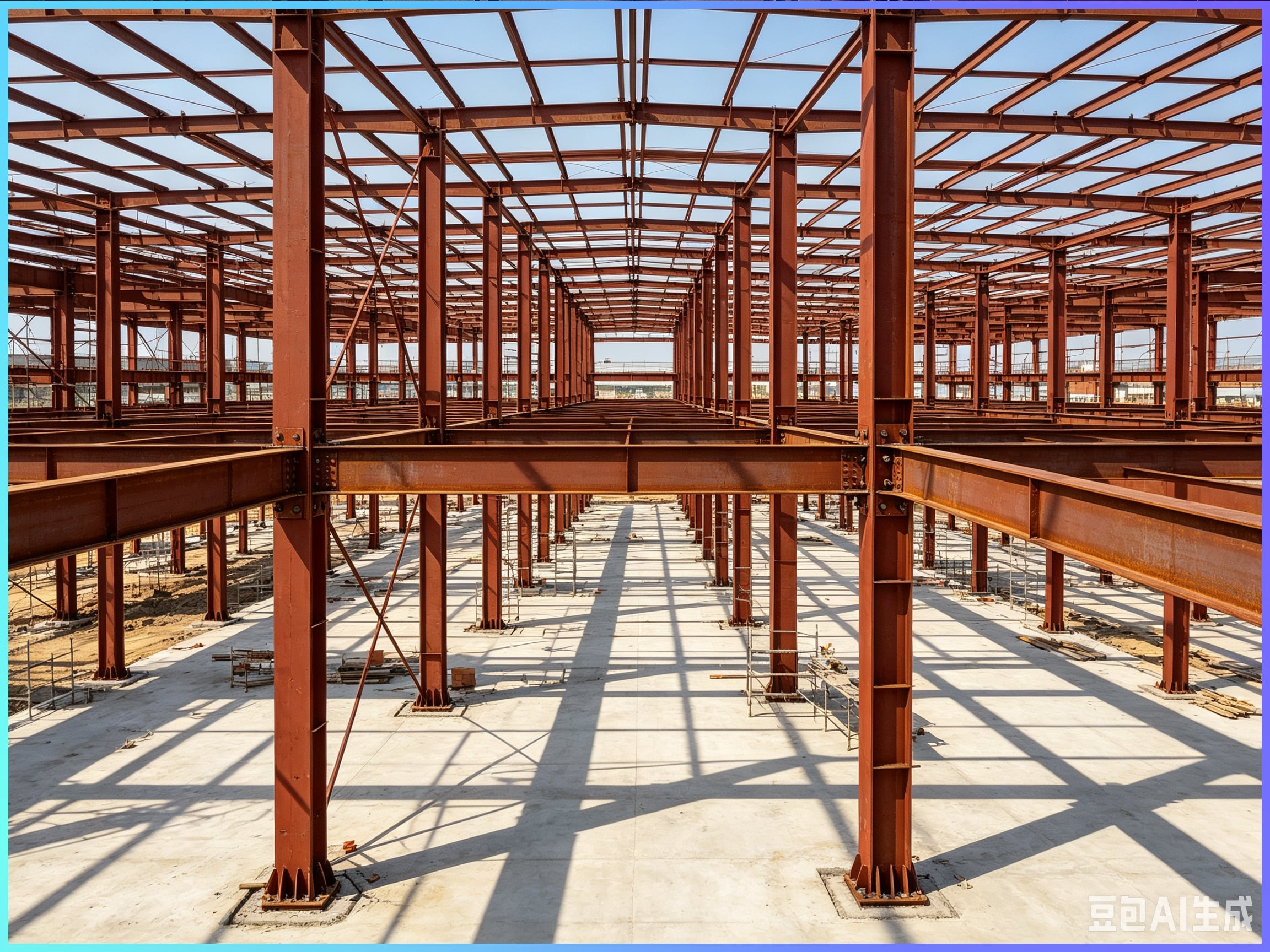
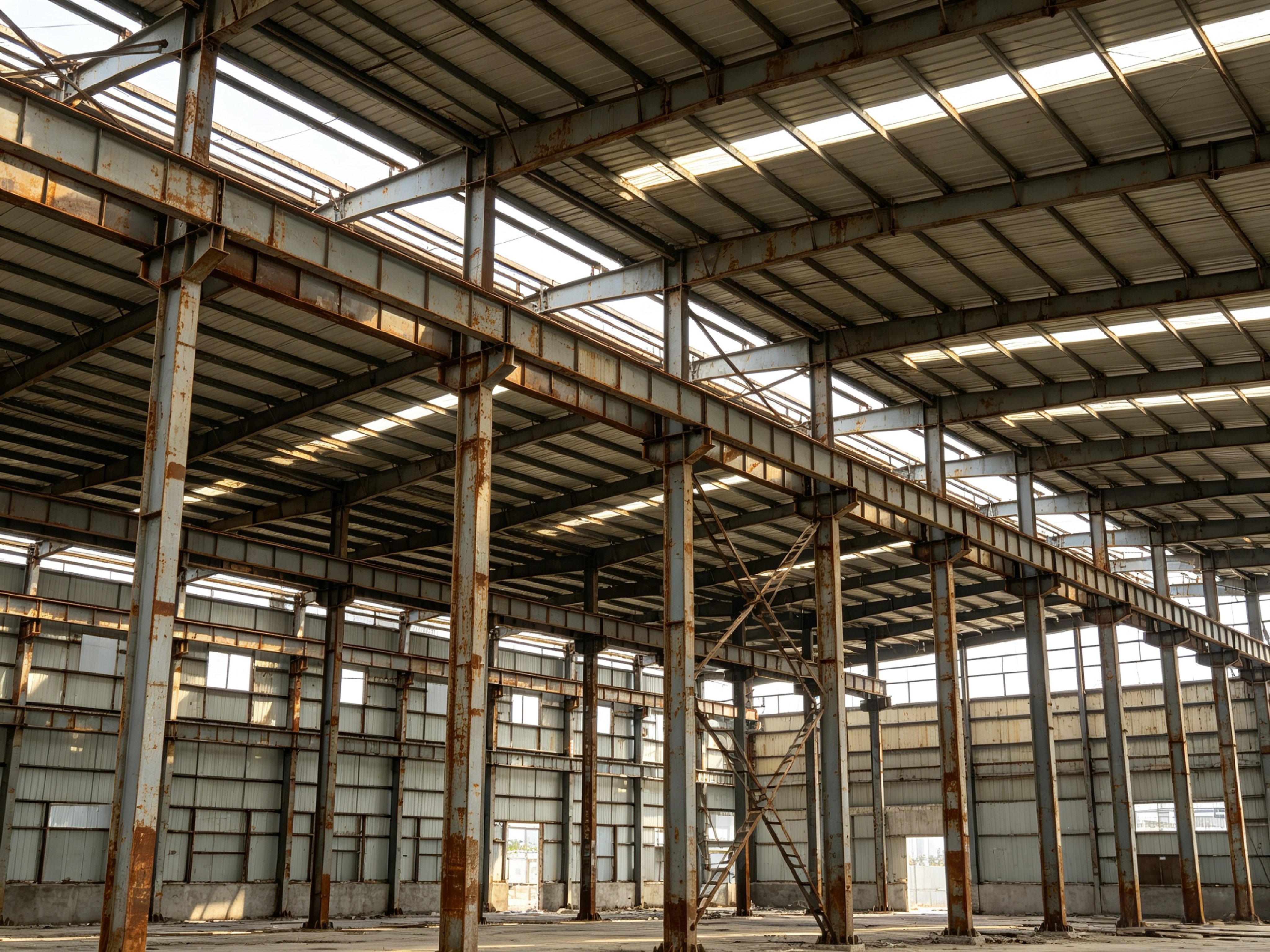
Steel  frame construction is a  method  that involves the  use of steel beams and columns to create structures that  are robust,  durable, and efficient. This approach is  favored in various industries due to  its strength,  flexibility, and speed of  construction. As a purchasing manager  or engineer, understanding the intricacies of steel frame  construction is  essential for  making informed decisions that align with your project's specifications and requirements. This  article will guide  you through selecting the right  steel frame  construction, understanding standards, installation guidance, and the advantages for buyers  and contractors.


Why choose Xingyuanxing steel frame construction

Our Products

How to Choose the Right Steel Frame Construction for Your Project

Selecting the appropriate steel frame construction begins with understanding  your project's specific needs and requirements. Key factors to consider include load-bearing capacity, environmental  conditions, and architectural design.

Load  Requirements: Identify the  weight and  type of loads your structure will support,  including  live loads (e.g., occupants, furniture) and dead loads (e.g., the weight of the structure itself). The steel frame should meet these requirements  while ensuring safety and structural integrity. Consider including a Secondary steel structure for enhanced support.

Material Specifications: Different grades of steel are available, each offering unique properties. For example, structural steel like ASTM A992 is commonly used for buildings due to its high strength  and weldability. Discuss the material properties with your supplier to ensure they meet your application needs.


Customization Needs: Depending on the design and functionality,  you may require custom  dimensions or treatments. Coordinate with your supplier  to explore options for  custom fabrication that can ensure your project specifications are met.


Environmental Factors: Consider factors such as corrosion resistance, especially  for projects in coastal or industrial  areas. Protective coatings  or galvanized steel can enhance durability.


By thoroughly evaluating these factors, you can select a steel frame construction that aligns with your project goals and site conditions.

Frequently Asked Questions

Our Blog Posts

What Our Partners Say

Wholesale Purchasing Guide for Steel Frame Construction Suppliers

Wholesale Purchasing Guide for Steel Frame Construction Suppliers

When  sourcing steel frame construction materials, it is crucial to establish a comprehensive purchasing strategy. Here  are essential steps to consider:


Supplier Evaluation: Identify potential suppliers by researching their manufacturing capabilities, experience, and reputation. Factors such as years in business and client testimonials can provide  insight into their reliability and quality.


Requesting Quotations: Provide suppliers with detailed specifications, including steel grades, dimensions, and quantities. Including drawings or technical documentation can facilitate  accurate quotes.  Be sure to inquire about minimum order quantities  (MOQ) to ensure they align with your project size.

Quality  Assurance: Inquire  about the supplier’s quality  control processes. Certifications such as ISO 9001 can  indicate a commitment to quality management. Ask about testing methods and inspection processes to ensure  compliance with industry standards.


Delivery and Lead Times: Confirm delivery schedules and lead times, as these  can significantly impact project timelines. Understand the supplier’s logistics capabilities and any potential delays due to material shortages or transportation issues.

By  following these guidelines, you can effectively navigate the wholesale  purchasing  process for steel frame construction and secure the best terms  for your project.

Steel Frame Construction Standards Explained

Steel Frame Construction Standards Explained

Understanding the standards  that govern steel  frame construction is essential for compliance and safety. Here are key standards to be aware of:

Building Codes: Familiarize yourself with local building  codes that dictate structural requirements.  These  codes ensure that buildings can withstand environmental forces  such as wind, earthquakes, and snow loads.

Material Standards: Common standards include ASTM (American Society for Testing and Materials) specifications for steel products, such as  ASTM A36 for structural steel and ASTM A992 for wide-flange shapes.  These standards outline material properties, testing methods, and  acceptable tolerances.

Design Standards:  The  American  Institute of Steel Construction  (AISC) provides  guidelines for designing steel structures. Their Manual of Steel Construction serves as  a comprehensive resource  for engineers involved in steel  design.

Safety Regulations: OSHA (Occupational Safety and Health Administration) regulations govern safety practices in construction.  Ensure that your project adheres to these regulations to protect workers and  maintain compliance during construction.

By understanding these standards, you can ensure that your  steel frame construction project meets the necessary safety and quality requirements.

Installation Guidance for Steel Frame Construction Projects Made Easy

Installation Guidance for Steel Frame Construction Projects Made Easy

Proper installation of steel frame construction is crucial for ensuring structural integrity  and safety. Here are key considerations for a successful installation process:

Site Preparation: Ensure that  the construction site  is  adequately prepared,  with a stable  foundation capable of supporting the steel frame. Soil  testing may be necessary to confirm load-bearing capacity.

Assembly Procedures:  Follow  the  manufacturer's assembly instructions closely. Steel frames  are often prefabricated; thus,  ensuring  that components fit together correctly is essential. Use appropriate lifting equipment and techniques to prevent damage during assembly.

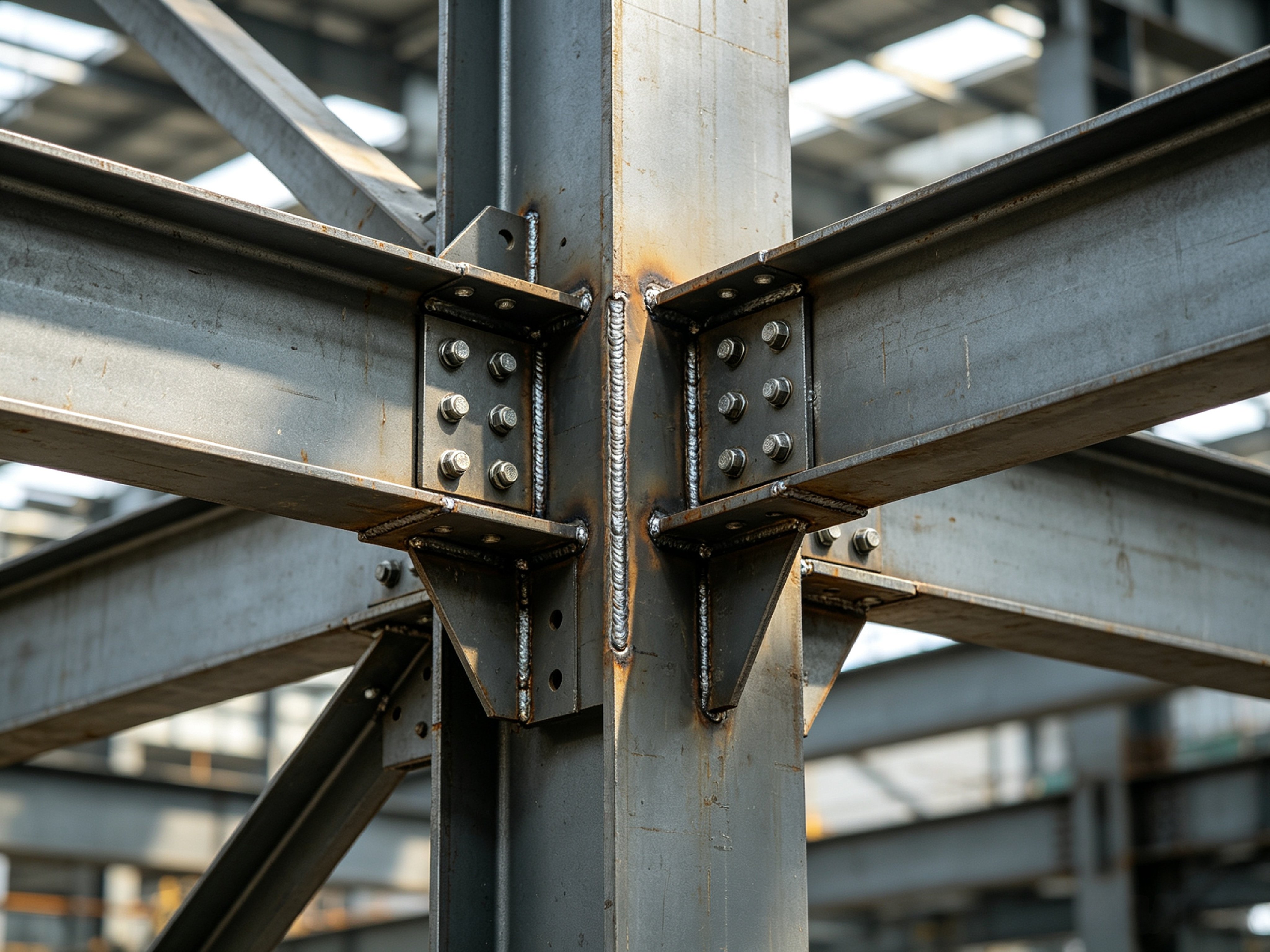
Welding and Fastening: Pay attention  to welding procedures and fastening methods. Proper welding techniques  are vital for ensuring joints can handle expected loads. Inspect welds and connections regularly throughout the installation process.

Quality  Checks: Implement regular quality checks  during installation. This includes verifying dimensions, alignment, and the integrity of connections.  Address any discrepancies immediately to avoid future complications.


By adhering to these guidelines, you can facilitate a smooth installation  process that meets all project specifications.

Advantages for Buyers and Contractors

Steel frame construction  offers numerous advantages for both buyers  and contractors, making it a preferred choice for various building  projects:

Durability  and Strength: Steel frames are highly resistant  to weather elements and  pests, ensuring long-lasting structures. Their strength allows for larger spans and open spaces, providing  flexibility in design.

Cost-Effectiveness: Although the initial investment may be higher than  other materials, the durability and reduced maintenance costs associated with steel frames can lead to significant savings over  the structure's lifespan.

Speed of Construction: Prefabricated steel components can be assembled quickly on-site, reducing construction time  and labor costs. This efficiency can lead to faster project completion and  earlier occupancy.

Sustainability: Steel is recyclable, making it an environmentally friendly option. Using  steel frames can  contribute  to sustainability goals, especially in projects aiming for  green certifications.

By recognizing  these advantages, buyers and contractors can make informed decisions that enhance project value and performance.

understanding steel frame construction is essential  for making informed purchasing decisions. By evaluating your project's needs, choosing the right supplier, adhering to standards, ensuring proper installation,  and recognizing the advantages of steel  frames, you can achieve successful  project outcomes.