Key Considerations for Large Metal Sheds

application/large-metal-sheds, application/large-metal-sheds, 
Inquiry
Inquiry

large metal sheds

Large metal  sheds  are  versatile structures often  used in various industries  for storage, workshops,  and other  functional  spaces. They offer durability and longevity, making them a popular  choice among businesses.  As a purchasing manager or distributor, your primary concerns  may include  quality, specifications, and supplier reliability. This article aims to provide you with  essential insights  into large metal  sheds, covering  key specifications, supplier options,  cost  considerations, common  issues,  and their applications across industries.

Why choose Xingyuanxing large metal sheds

Key Specifications for High-Quality Large Metal Sheds

When evaluating large metal sheds, several key specifications are crucial to consider:

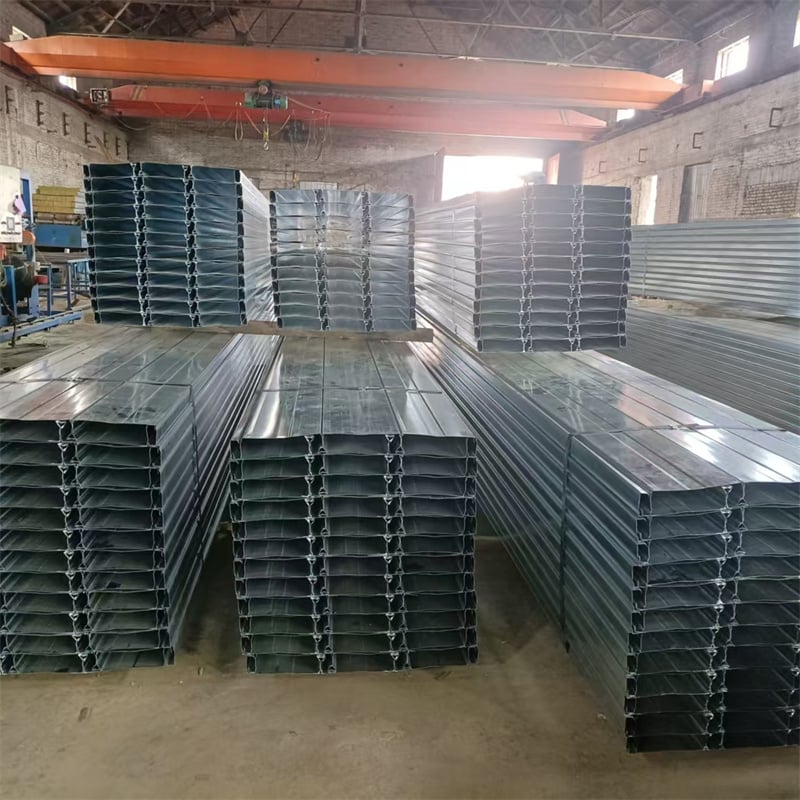
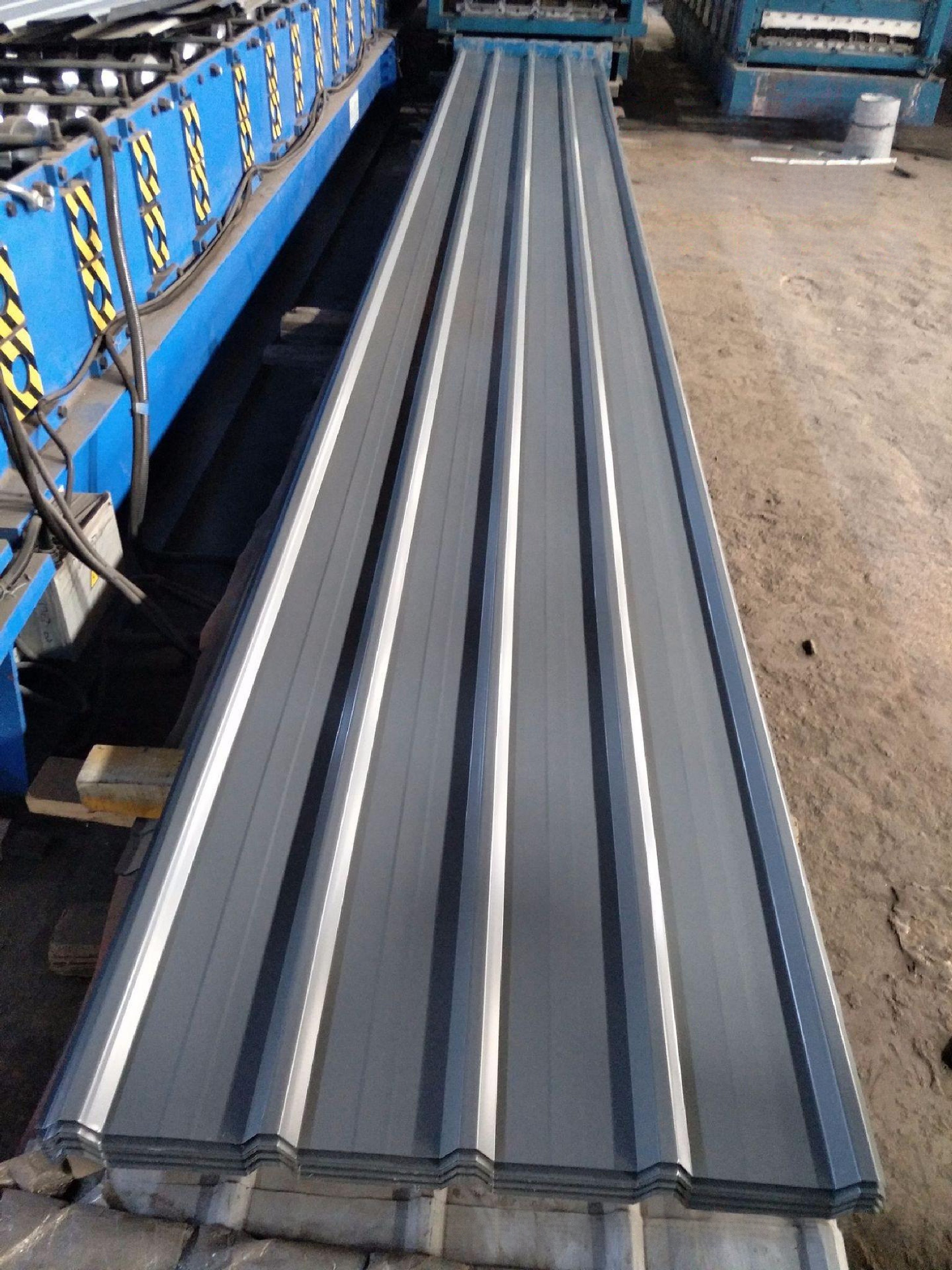
Material  Composition: Most large metal sheds are constructed from galvanized  steel or high-grade aluminum, which provide resistance to corrosion and structural integrity. Galvanized steel is particularly favored for its  strength and longevity in various environments.

Dimensions: The size of the shed should meet  your specific storage  or operational needs. Common dimensions range  widely, so it's essential to assess your available space and intended use before making  a  decision.

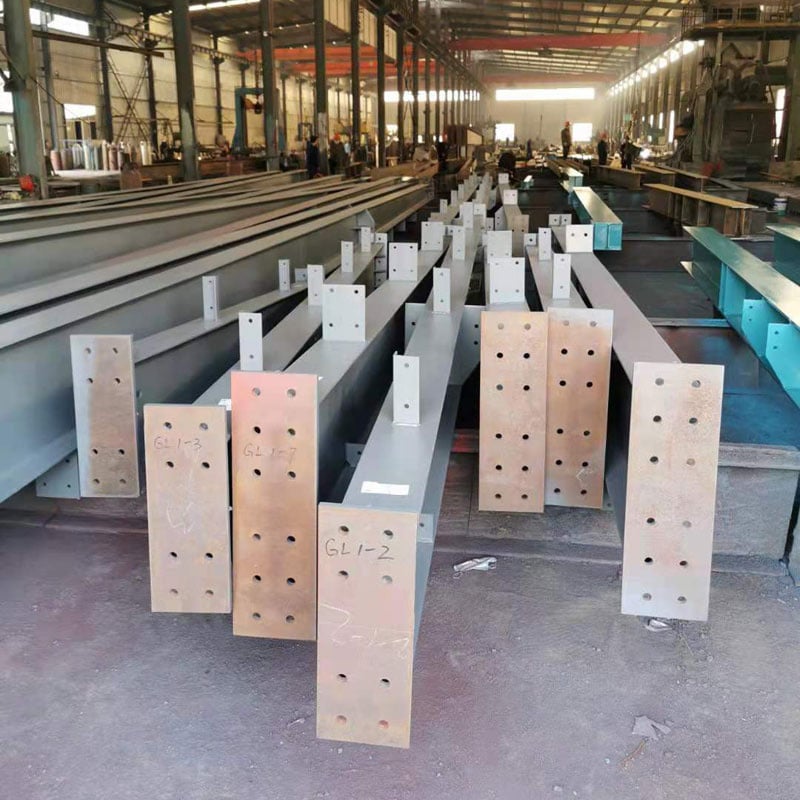
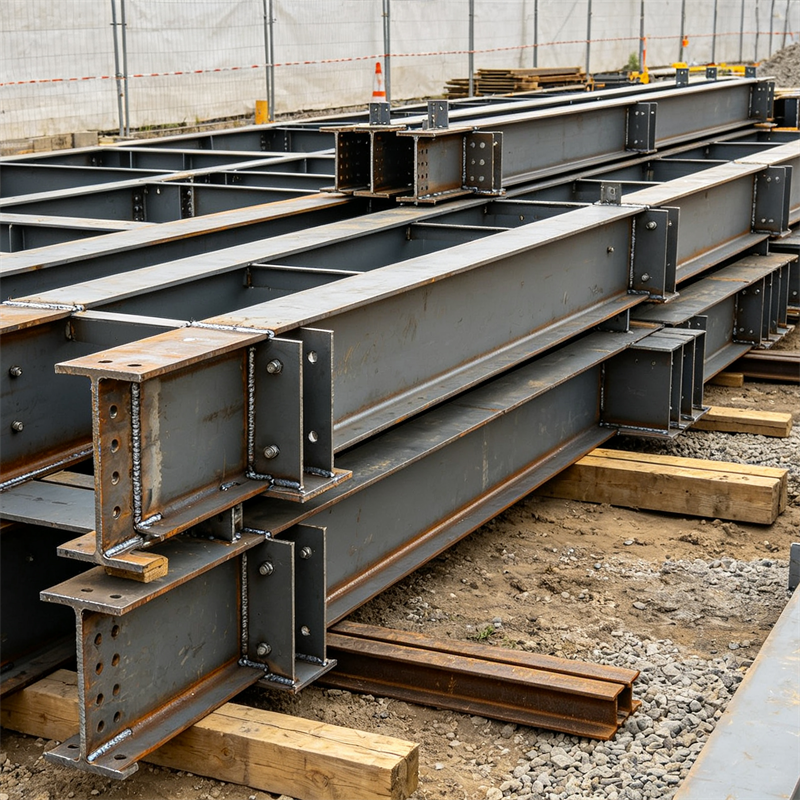
Thickness: The thickness of the metal used directly impacts the shed’s durability. A thickness of  at least 0.5 mm is recommended for standard applications, while heavier-duty  uses may require thicker materials for  additional strength. Consideration of the overall structure, including the Secondary steel structure, can also enhance durability.

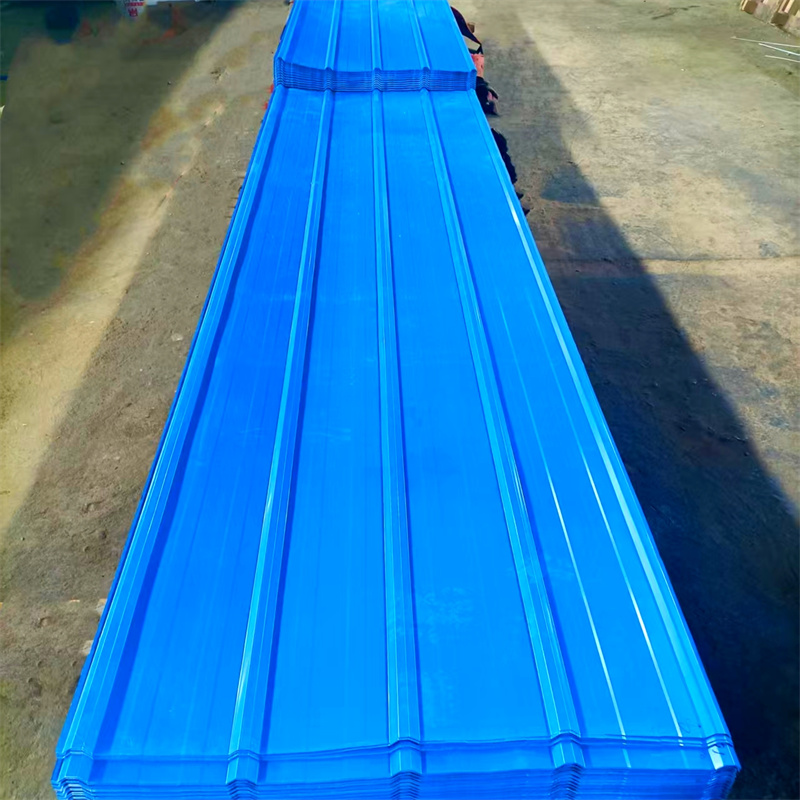
Roof Design: The roof should be designed to handle local weather conditions, including snow load and rainfall. A sloped roof  can facilitate better water drainage and prevent pooling.

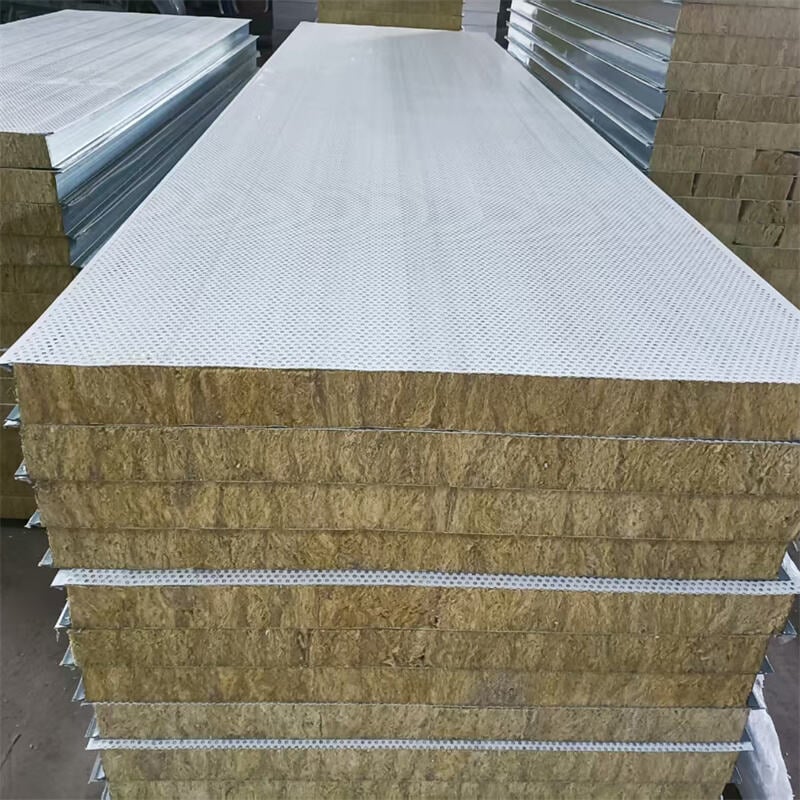
Insulation Options: Depending on the intended use, insulation may be necessary to regulate temperature and protect stored items from extreme conditions. Check for available  insulation materials that meet your thermal performance needs.

Ventilation: Proper ventilation  is crucial to prevent moisture buildup  inside the shed, which can lead to corrosion and material  degradation. Ensure that the design  includes adequate ventilation options.

Understanding these specifications will help  you assess the suitability of large metal sheds for your needs and ensure you are making an informed purchasing  decision.

Frequently Asked Questions

Our Blog Posts

What Our Partners Say

Where to Find Reliable Suppliers of Large Metal Sheds

Where to Find Reliable Suppliers of Large Metal Sheds

Finding a reputable supplier for large metal sheds involves several strategies:

Industry Directories: Utilize industry-specific directories and marketplaces that list manufacturers and suppliers specializing in metal structures. Websites like ThomasNet and  Alibaba can provide a good starting point.

Trade Shows and Expos: Attend industry trade shows to meet potential suppliers  face-to-face.  These events often showcase the latest products and innovations, allowing you to compare options directly.

Online Research: Look for company reviews and testimonials online. Platforms such as Google Reviews and LinkedIn can provide insights  into  the reputation and reliability of potential suppliers.

Local  Manufacturers: Consider sourcing from local manufacturers  like  Tianjin Xingyuanxing Color Steel Structure Co., Ltd.,  known for integrating engineering design with fabrication and installation expertise. Local suppliers may offer advantages such as reduced shipping costs and quicker turnaround times.

Certifications and Standards: Verify that potential  suppliers comply with  industry  standards and hold relevant certifications. This  can be an  indicator of their  commitment  to  quality and safety.

By diversifying  your search methods, you can find reliable suppliers who  meet your specifications for large metal  sheds.

Cost Factors to Consider When Purchasing Large Metal Sheds

Cost Factors to Consider When Purchasing Large Metal Sheds

The overall cost of large metal sheds can vary widely based on several factors:

Material and Specifications: As previously mentioned,  the choice of material and thickness will significantly affect pricing. Higher quality materials usually come at  a premium but offer better durability and longevity.

Size  and Customization:  Larger sheds or those requiring custom dimensions will naturally incur higher costs. Be prepared to discuss your exact requirements with  suppliers to receive accurate quotes.

Additional Features: Features such as windows, doors, insulation, and ventilation  systems can add to  the base price. Determine which features  are  essential  for your application before requesting quotes.

Shipping and Installation: Factor in  shipping costs, especially if sourcing from distant suppliers. Additionally, some suppliers may offer installation  services, which can  be a valuable option if you lack the technical expertise.

Volume Discounts: If you are purchasing multiple units, inquire about volume discounts. Many manufacturers  offer reduced pricing for bulk orders, which can significantly  lower your overall cost.

Understanding these cost factors will help you  create a realistic  budget and avoid unexpected expenses when purchasing  large metal  sheds.

Common Problems with Large Metal Sheds and Their Solutions

Common Problems with Large Metal Sheds and Their Solutions

While large metal sheds are generally  durable, several common issues can arise:

Corrosion: Over time, even galvanized steel can develop rust, especially if the protective coating is compromised.  Regular maintenance, including inspections and repainting, can help prevent corrosion. Choose  suppliers who provide sheds with a robust protective finish.

Poor Ventilation: Insufficient ventilation  can lead to moisture buildup, causing damage to stored items and promoting rust. Ensure that your shed includes adequate ventilation options, such as vents or windows,  to facilitate airflow.

Structural Integrity: If not properly installed, metal sheds may suffer from structural issues,  such as warping or failing to withstand local weather conditions. It's essential  to follow manufacturer installation guidelines closely and consider hiring professional  services  for installation if necessary.

Door and Locking Mechanisms: Doors that do not align properly or locking  mechanisms that malfunction can compromise security. Regularly  check  and  maintain these components to ensure they function correctly.

By being aware of  these potential problems and their  solutions, you can maintain  your large  metal shed effectively and ensure it serves its intended purpose.

Applications of Large Metal Sheds in Various Industries

Large metal  sheds  are utilized across a wide array of industries  due to their versatility and durability:

Agriculture: Farmers often use large metal sheds for storing equipment, feed, and livestock.  Their robust design can withstand harsh outdoor conditions.

Construction: Construction sites frequently require temporary  storage for tools and materials. Metal sheds provide a secure and weather-resistant solution for  safeguarding  valuable  assets.

Manufacturing: In manufacturing, large metal  sheds can serve as workshops or assembly areas, offering ample space for  operations while maintaining a controlled environment.

Retail and Warehousing: Retailers may use large metal sheds for additional storage space,  especially for seasonal items. Their durability makes them suitable for outdoor  storage solutions.

Recreational Use: Many individuals use large metal sheds  as garages  or workshops for  personal projects, hobbies, or storing recreational vehicles.

Understanding these applications  can help  you identify the most suitable design and features  for your specific needs, ensuring your investment in a large  metal  shed is well-placed.