insulated-profiled-metal-wall-panels-840mm-for-industrial-climate-control, insulated-profiled-metal-wall-panels-840mm-for-industrial-climate-control, /wall-system
EN
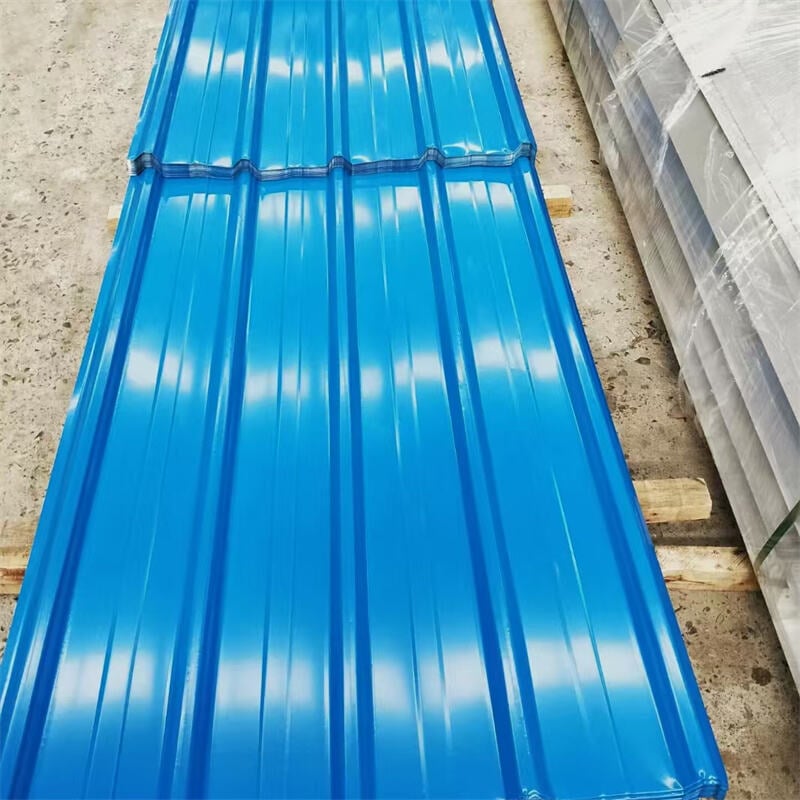
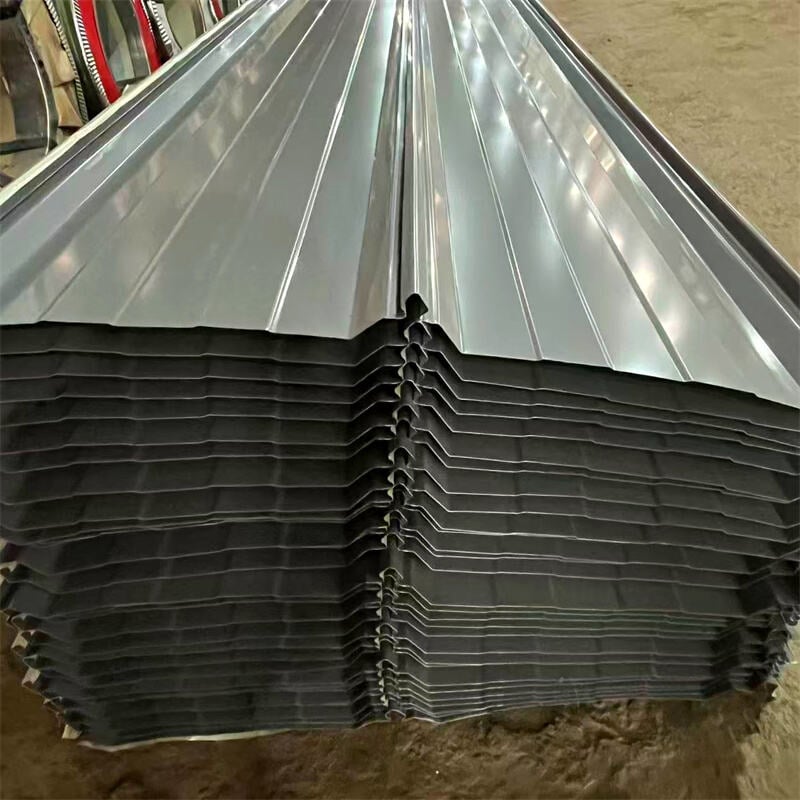
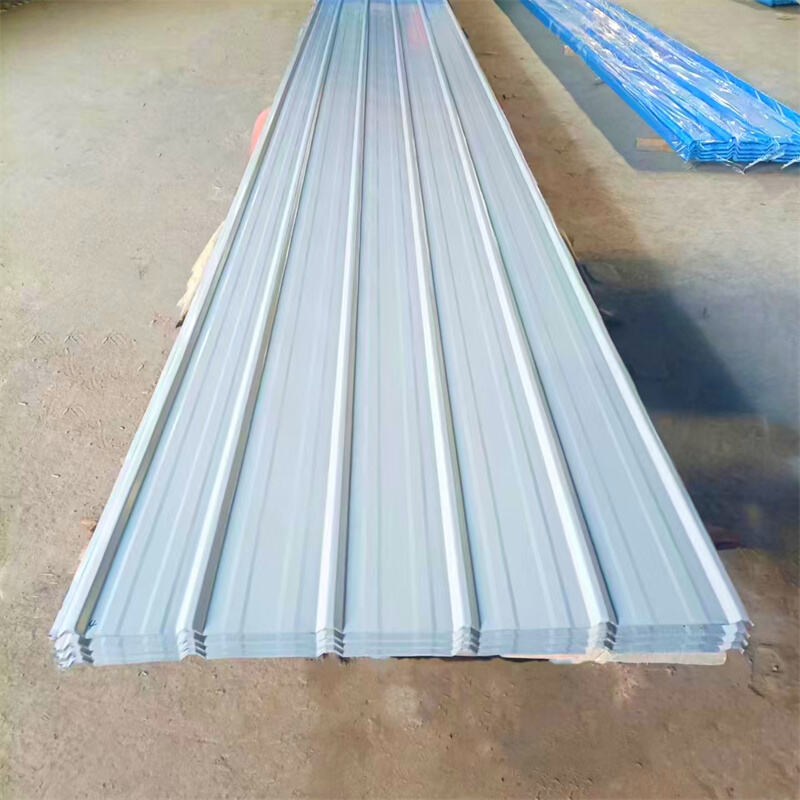
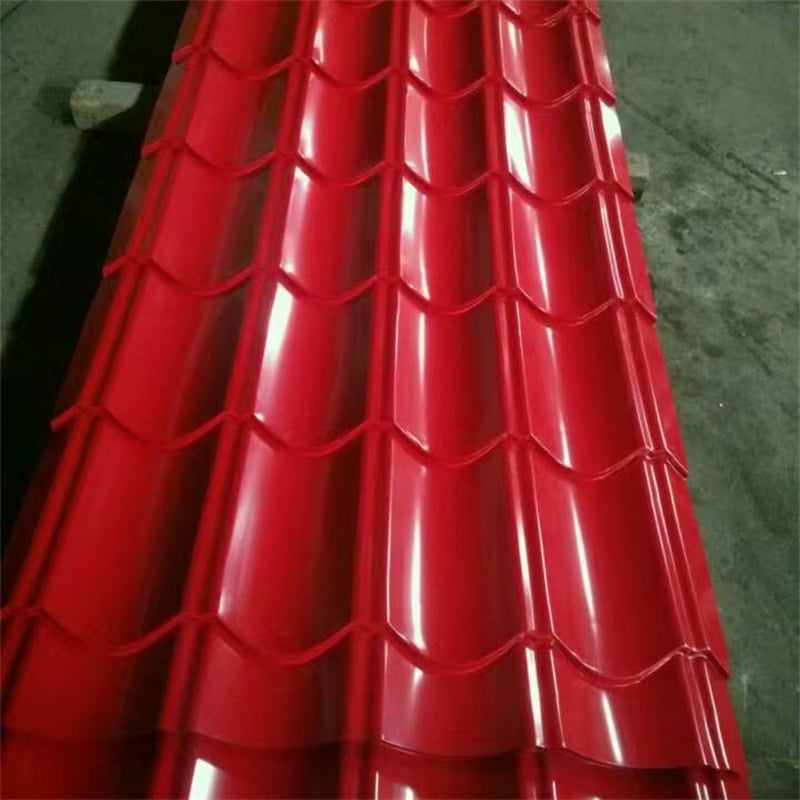
• Tech: Advanced coil coatings improve color retention and UV resistance.
• Material: Aluminum-zinc coated pre-painted steel for energy efficiency.
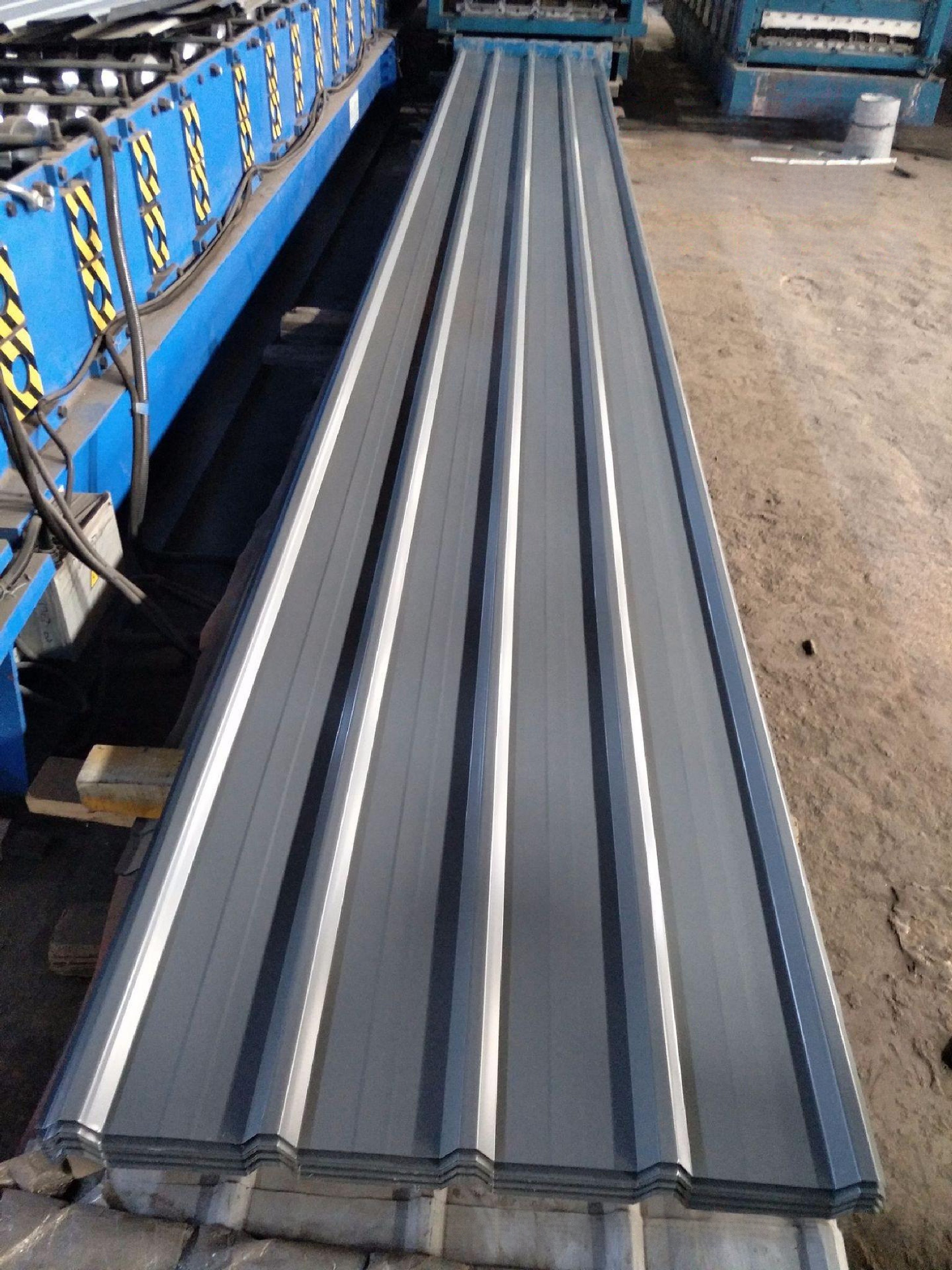
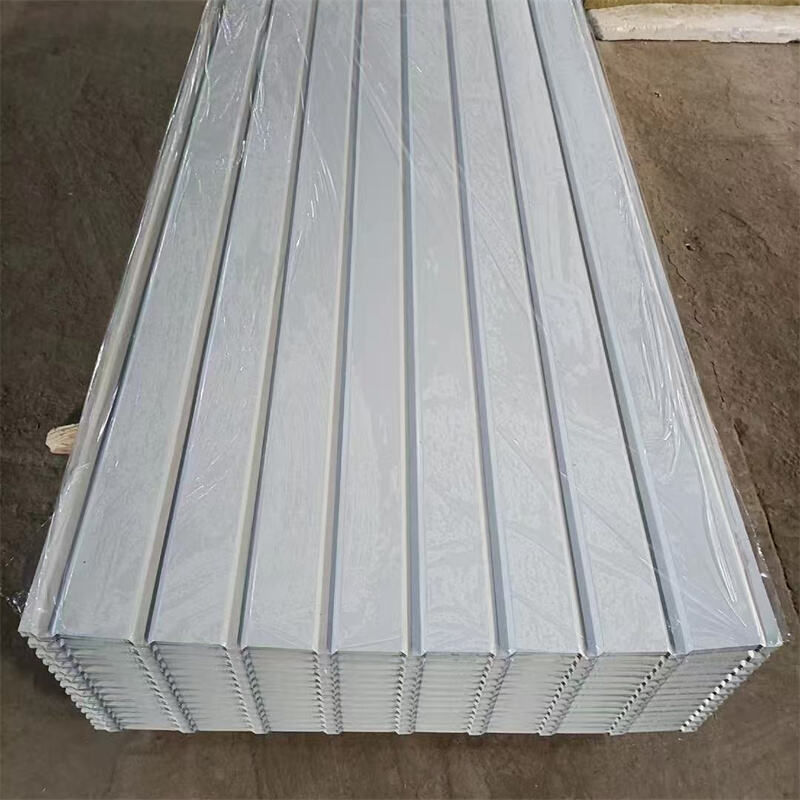
Profiled color steel panels by Xingyuanxing offer a high-performance solution for modern factory building enclosure needs. These profiled color steel panels are engineered specifically for factory enclosure panels, providing a durable, attractive, and efficient system for industrial exteriors. As a trusted name, Xingyuanxinf industrial construction while delivering superior value compared with traditional cladding options
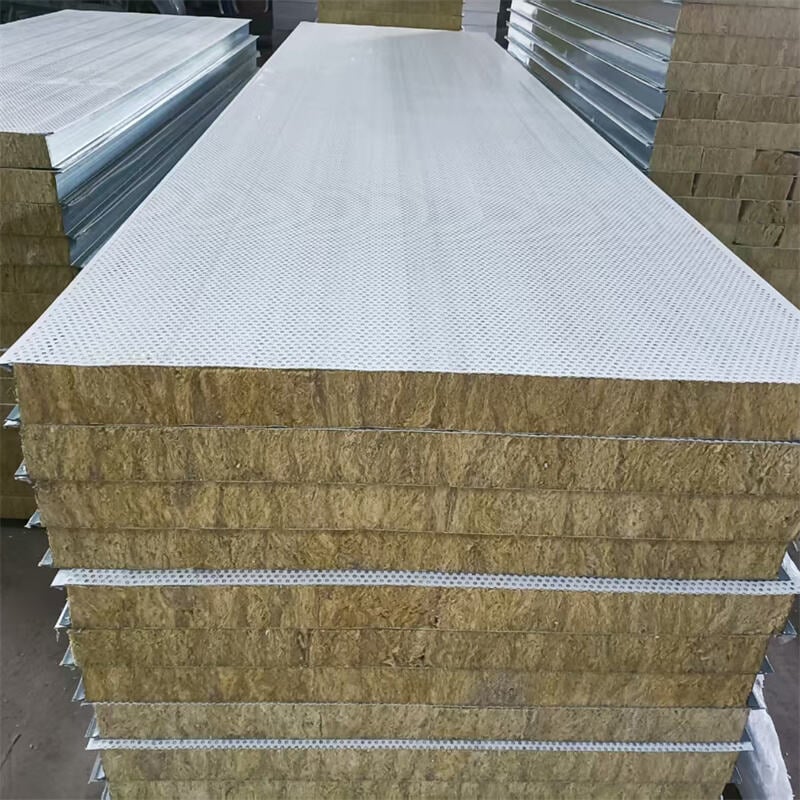
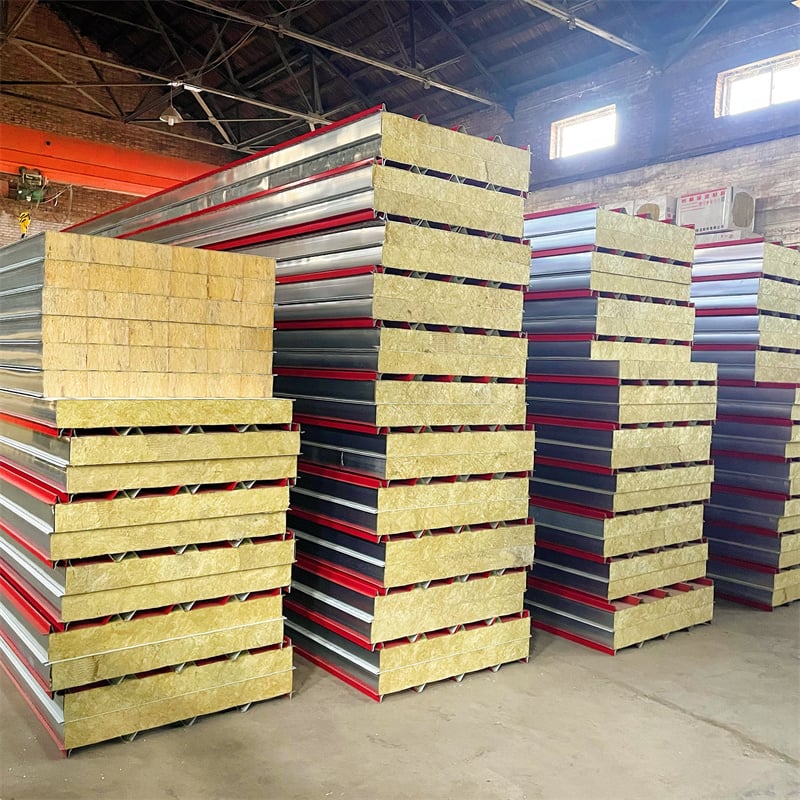
Xingyuanxing’s profiled color steel panels are tailored for inclusion in factory enclosure panels and insulated wall cladding systems. The core advantages of these profiled color steel panels include lightweight construction, dimensional stability, and compatibility with a range of insulation options. By integrating profiled color steel panels with rigid foams or mineral wool, the combined system becomes an effective insulated wall cladding choice for factories that require acoustic control and thermal efficiency.
Applications for profiled color steel panels extend beyond basic factory building enclosures. Xingyuanxing markets profiled color steel panels for warehouse walls, cold storage facilities, production halls, and distribution centers. In each application, profiled color steel panels excel at forming a continuous metal building envelope that supports energy-efficient HVAC operation and interior climate control.
Innovation in profiled color steel panels from Xingyuanxing centers on coating technology and profile geometry. Advanced coil coatings applied to profiled color steel panels improve UV resistance and color retention, which keeps factory facades looking new for years. The profile geometry of Xingyuanxing’s profiled color steel panels has been optimized to maximize stiffness per unit weight, enabling unsupported spans for factory enclosure panels and reducing the need for secondary framing.
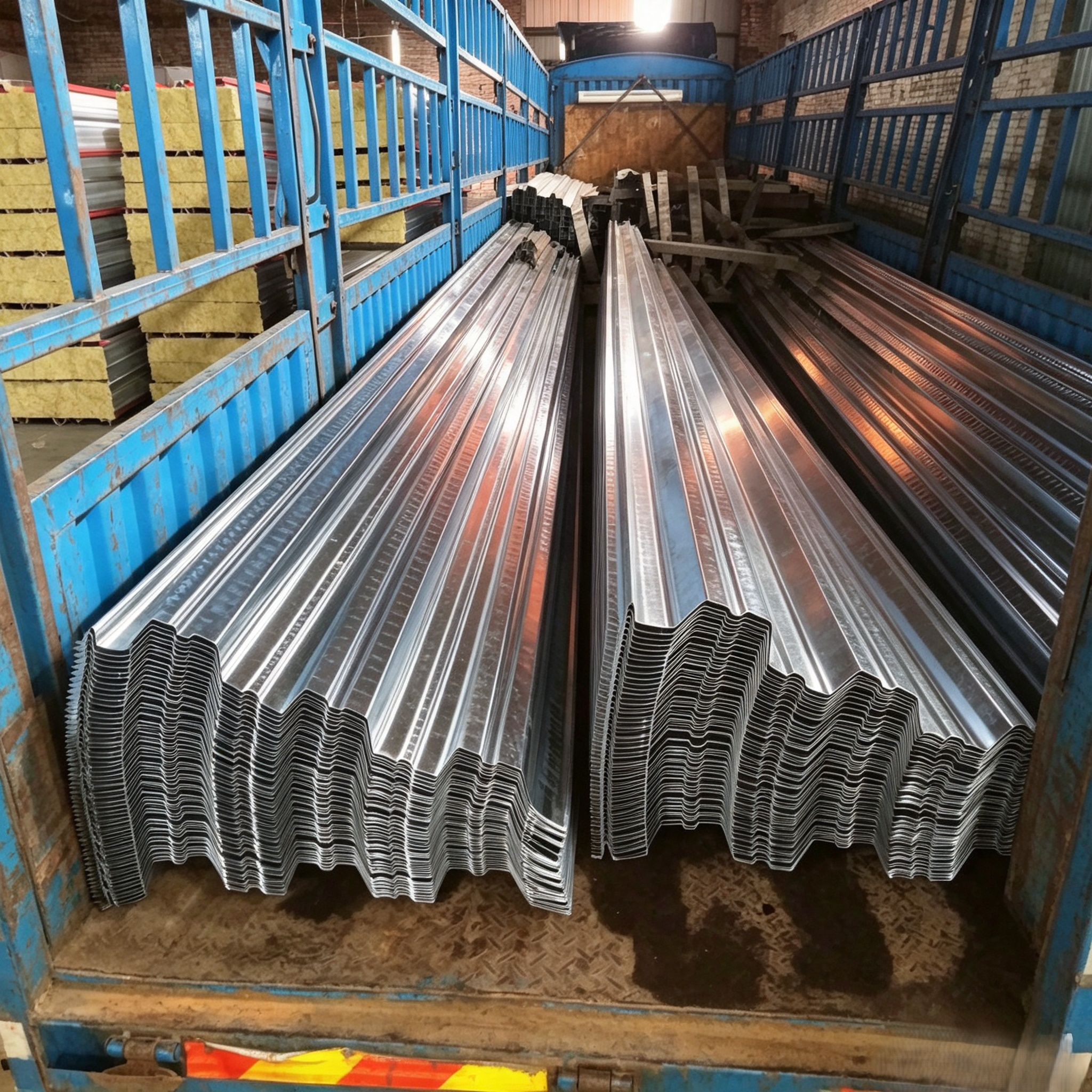
Cost-Effective with High Cost Performance: Single-layer metal sheets consume minimal raw materials, and standardized mass production keeps costs under control. Their lower overall price compared to composite enclosure panels greatly cuts total project enclosure costs, making them the top choice for basic industrial building enclosures. - Easy Installation & High Construction Efficiency: Standardized lightweight profiles allow direct installation on-site with self-tapping screws, eliminating complex auxiliary processes. A single construction team can complete large-area pavement in one day, significantly shortening enclosure construction cycles. - Diverse Profiles & Strong Adaptability: Dozens of YX-series wave profiles are available to suit buildings with different spans, load requirements and drainage demands, applicable to both walls and roofs. Special functional profiles with perforations or daylighting sections can also be customized. - Corrosion & Weather Resistance for Long Service Life: The base material undergoes aluminum-zinc coating treatment with polyester / high-durability polyester / PVDF fluorocarbon topcoats, delivering excellentrust and corrosion resistance. The service life reaches 15–20 years in ordinary industrial environments, and thicker anti-corrosion coatings can be upgraded forcoastal high-corrosion environments. - Flexible Renovation & Recyclable: Panels are easy to disassemble and adjust for later factory expansion or renovation. Undamaged panels can be reused secondarily with high building residual value,complying with green building environmental standards.
|
Parameter Item |
Standard Configuration Parameters |
|
Base Material |
Aluminum-zinc coated pre-painted steel sheet |
|
Common Profiles |
YX15-225-900, YX25-210-840, etc. (Customizable on demand) |
|
Panel Thickness |
0.3mm–1.2mm (Customizable; standard range: 0.4mm–0.6mm) |
|
Effective Coverage Width |
840mm, 900mm, 1000mm, etc. (Adjustable by profile) |
|
Surface Coating Options |
Standard Polyester (PE), High-Durability Polyester (HDP), PVDF Fluorocarbon (PVDF) |
|
Operating Temperature Range |
-40℃ to 120℃ |
|
Design Service Life |
5–15 years for standard versions; up to 30 years for enhanced PVDF versions |
|
Supporting Accessories |
Self-tapping screws, edge flashing & corner trim, water flashing plates, daylighting panel matching parts |
1.External Walls & Roofs of Industrial Plants: External enclosures for machinery processing, light manufacturing and hardware assembly factories, meeting basic waterproof, windproof, sunshade and dust-proof requirements for most ordinary industrial production sites.
2. Warehousing & Logistics Building Enclosures: Wall and roof enclosures for e-commerce warehouses, raw material storage rooms, finished goods warehouses and logistics sorting centers. Large-format panels enable rapid pavement suitable for large-span warehouse buildings.
3. Temporary Auxiliary Buildings: Enclosure structures for on-site temporary offices, dormitories, project department enclosures, temporary material sheds and parking shelters, featuring easy disassembly and reusable turnover.
4. Open Material Storage Sheds: Enclosures and roofs for gravel yards, building material storage sheds and coal bunkers, providing rain and sun protection to prevent material loss from weather exposure.
5. Internal Workshop Partition Walls: Partition walls for production and storage zoning inside factories, installed rapidly for flexible layout adjustment as an alternative to traditional brick partition walls.
6. Renovation & Expansion Enclosures: Supporting enclosures for additional floors, expansions and facade renovations of old factories, compatible with original steel structure frames without disrupting normal factory production during construction.
1.Solution Confirmation & Model Matching: One-on-one communication regarding project scenarios, climatic conditions and budget demands to recommend matching profiles, thicknesses, coatings and anti-corrosion grades. Confirm specifications, quotations and delivery cycles, sign formal supply contracts and clarify quality standards and after-sales clauses.
2. Standardized Factory Production: Full inspection of incoming raw materials, precise forming via automated roll forming production lines, and piece-by-piece inspection of profile dimensions and coating integrity to guarantee dimensional accuracy and appearance quality. Custom colors and special profile mold opening are supported. 3. Acceptance & Delivery: Cooperate with customers for inspection of panel quality and specifications after full delivery before formal handover.
1. Direct Supply from Source Factory with No Middleman Markup: Self-owned automated profiled panel production lines with sufficient mass production capacity. Direct supply to customers eliminates intermediate links, delivering morecompetitive pricing for identical configurations.
2. Complete Profiles & StrongCustomization Capacity: Cover mainstream wall and roof profiles on the market;custom special profiles, colors and sound-absorbing perforations are available tomeet non-standard steel structure enclosure project demands.
3. Strict QualityControl: National standard brand pre-painted steel sheets adopted for all raw materials. Each batch undergoes multiple tests on thickness, film coating, zinc coating and load capacity, complying strictly with national standards for metal enclosure panels with traceable quality.
4. Extensive Industry Experience & Strong Adaptability: Years of deep engagement in the steel structure enclosure sector with service experience across plant, warehouse and park projects, enablingtargeted enclosure solution design.
5. Efficient Supply & Stable Lead Times: Standard profiles kept in permanent stock. Conventional orders ship within 3–7 days; stable production capacity for bulk orders ensures on-time delivery withoutconstruction delays.
Q1: Can customized colors and thicknesses be provided for profiled wall panels?
A: Yes. Thickness can be customized from 0.3mm to 1.0mm. Surface coating colors are selectable per color cards with custom color support. Coatings can be upgraded to high-durability polyester or PVDF fluorocarbon to adapt to various service environments.
Q2: Are profiled wall panels prone to water leakage? How about wind resistance?
A: Wave edge lap joints paired with waterproof self-tapping screws effectively prevent rainwater seepage under standardized installation. High-strength galvanized base materials fixed firmly to purlins deliver reliable wind resistance.
Q3: What is the service life of profiled wall panels? Do they rust easily?
A: Standard polyester-coated panels serve 5–15 years in ordinary environments, while enhanced PVDF versions reach 30 years. The base material comes with an inherent aluminum-zinc anti-corrosion layer to resist rust under normal industrial conditions. For coastal high-corrosion or heavy chemical pollution environments, upgraded thickened zinc layers and PVDF coatings can drastically improve rust and corrosion resistance.
Q4: Can thermal insulation be achieved with profiled wall panels?
A: Single-layer profiled panels have no inherent thermal insulation function. For insulation requirements, composite enclosure systems combining profiled panels, thermal insulation cotton (glass wool / rock wool) and inner lining panels can be adopted. Alternatively, thermal insulation sandwich wall panels can be selected for integrated insulation and enclosure performance.
Q5: What supporting materials are required for installation? Can self-installation be carried out?
A: Matching purlins, self-tapping screws, edge flashing and other accessories are required. Conventional steel structure construction teams can install the panels following drawings; complete installation detail drawings and technical guidance are provided. Simple enclosures and material sheds can also be self-installed per specification manuals.
Q6: Can profiled panels be disassembled and reused for later factory expansion?
A: Yes. Panels are fixed via bolts / self-tapping screws for easy disassembly. Undamaged panels free of deformation or coating damage can be reused for expansions or temporary buildings with high residual material value and low renovation costs.
Q7: What are the differences between profiled wall panels and sandwich panels? How to select the appropriate product?
A: Profiled wall panels are single-layer metal sheets focused on basic enclosure with low cost, suitable for ordinary plants, warehouses and material sheds without insulation demands. Sandwich panels are composite boards with metal facings and thermal insulation cores, featuring integrated thermal insulation, fire resistance and sound insulation, ideal for constant-temperature workshops, cold storage and clean factories requiring insulation and fire protection.


 EN