Key Factors for Profile Roofing Sheets in Construction

application/profile-roofing-sheets, application/profile-roofing-sheets, 
Inquiry
Inquiry

profile roofing sheets

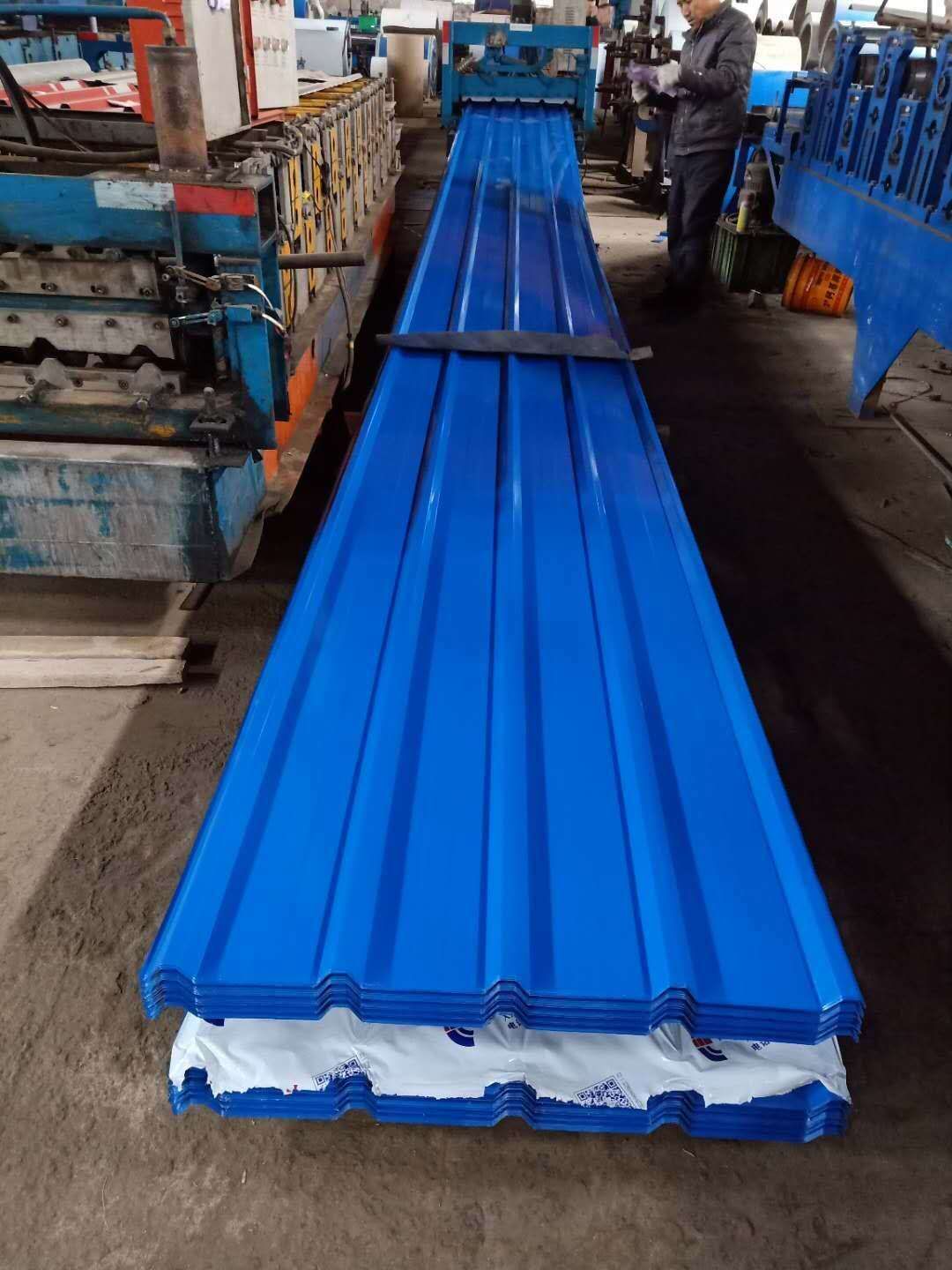
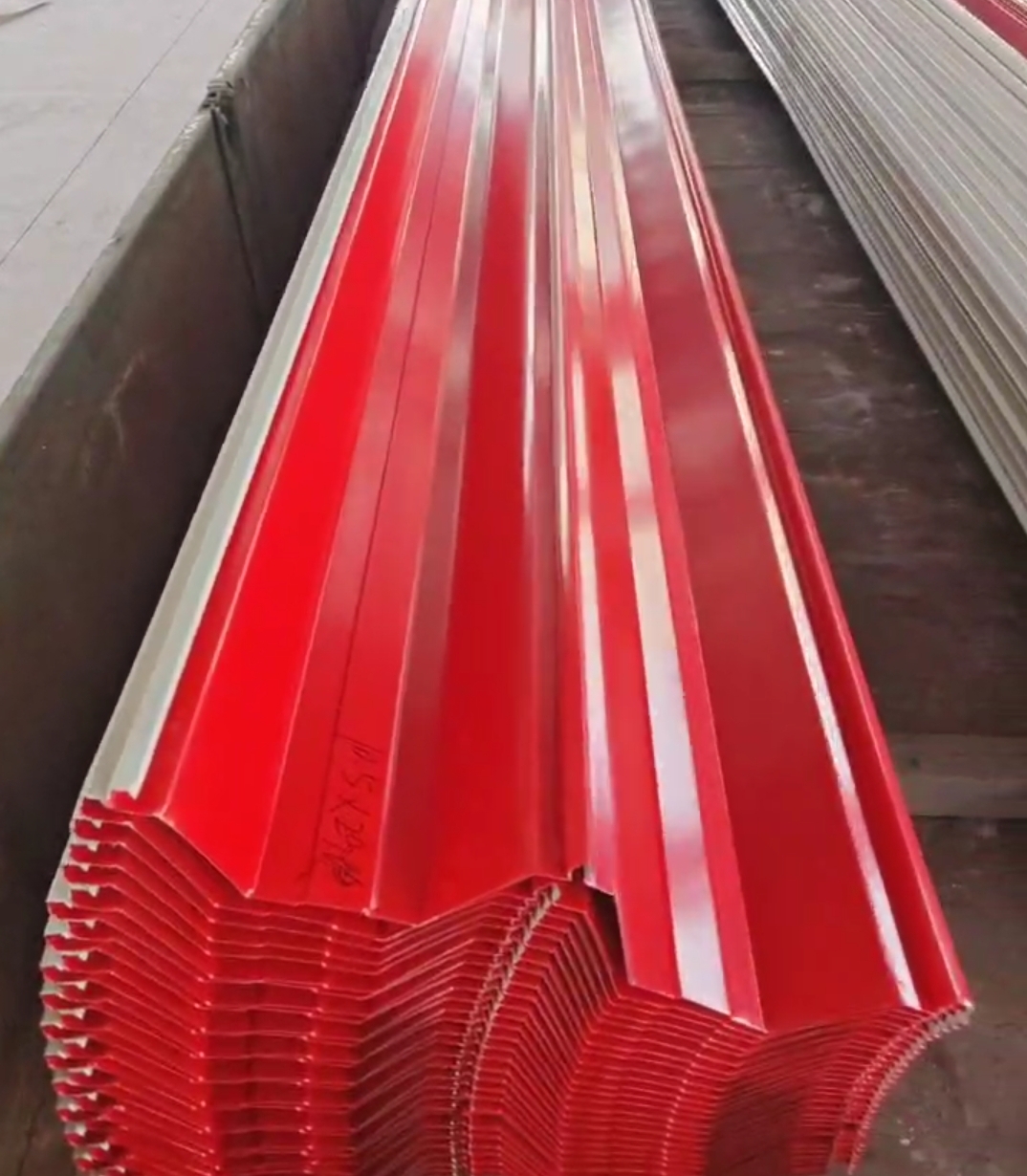
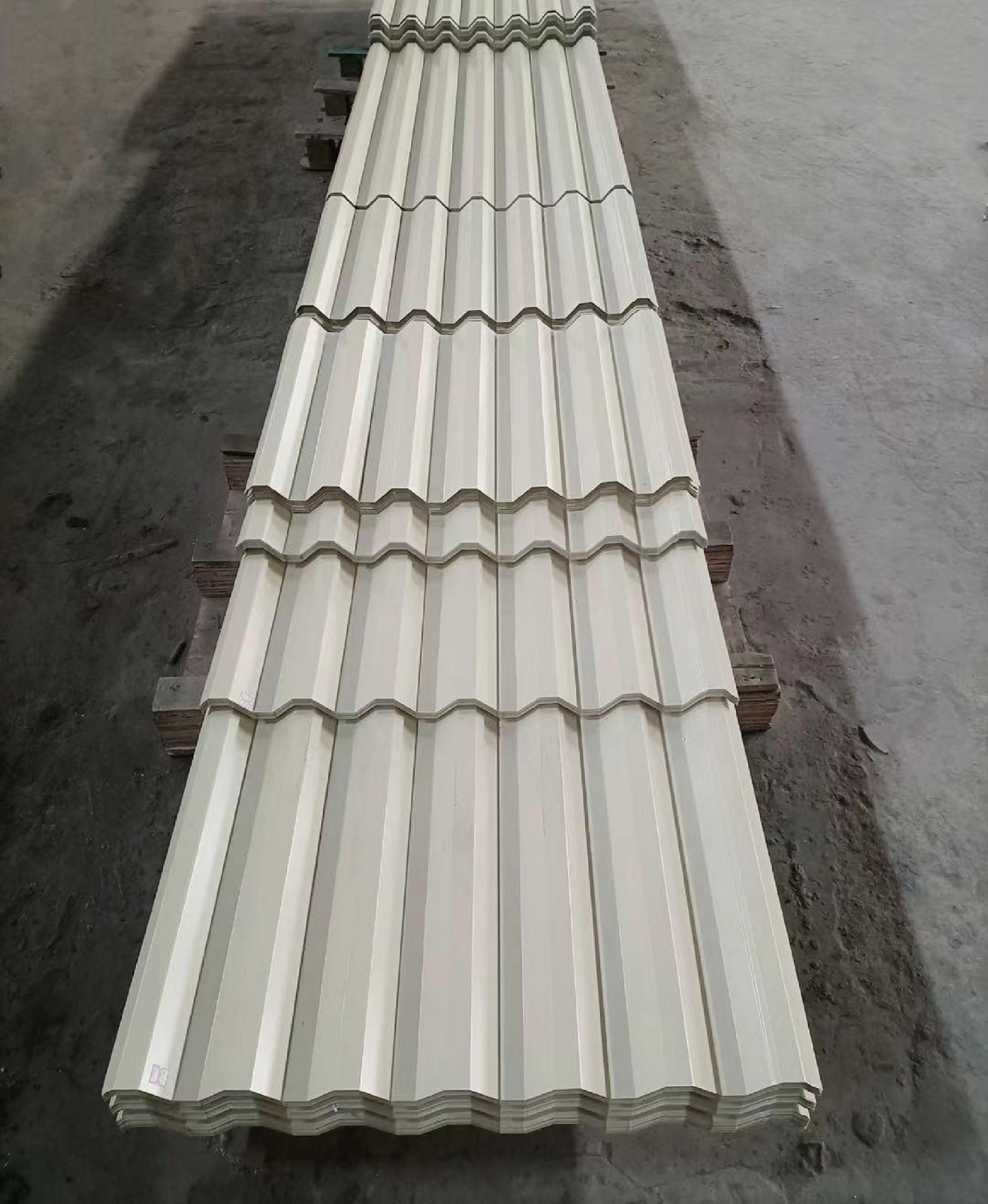
Profile roofing  sheets are  essential components in modern construction, providing structural support and weather  resistance for various building  types.  These sheets, manufactured from high-quality materials, are  increasingly  favored for their durability, cost-effectiveness, and ease  of installation. As a  purchasing manager or contractor, you may have  concerns about  material  specifications, application suitability, and  supplier reliability. This article  will clarify key  factors regarding  profile  roofing sheets and  guide you in making informed decisions  for  your construction projects. For additional insights, you might consider exploring our page on Secondary steel structure.

Why choose Xingyuanxing profile roofing sheets

Our Products

Key Factors for Profile Roofing Sheets

When selecting profile roofing sheets, several factors should be considered to  ensure they meet your  project requirements.


Material  Composition: Profile roofing sheets can be made from various materials such as  galvanized steel, aluminum, or fiberglass. Each material offers distinct benefits; for instance, galvanized  steel is known for its strength and resistance to corrosion, making it suitable for harsh weather conditions.  Additionally, incorporating a robust Accessories system can further enhance the performance of these materials.

Thickness and Dimensions: The thickness of the roofing sheet directly influences its durability and load-bearing capacity. Common thicknesses  range from 0.3  mm to 1.2 mm,  with thicker sheets  generally  providing better structural  support. Additionally, dimensions should align with  the specific requirements of your project  to minimize  waste and ensure proper installation.

Coating and Finish: A protective coating can  enhance durability and aesthetic appeal. Polyester  and PVDF (polyvinylidene fluoride) coatings are popular  choices, offering UV resistance and  various color options.


Profile Design: The profile shape (e.g., corrugated, trapezoidal) can impact both aesthetics and performance. Different designs may provide varying levels of water drainage and structural efficiency.

Frequently Asked Questions

Our Blog Posts

What Our Partners Say

A Contractor's Guide

A Contractor's Guide

As a contractor, understanding how to effectively source and work with profile roofing sheets is crucial. Here are  practical  steps to follow:

Specification Confirmation: Before placing an  order, confirm specifications such  as material type, thickness, and required dimensions. This prevents miscommunication  and ensures the  product meets  project standards.

Sample Approval: Request samples prior to mass production. Inspect  these samples for quality, fit, and performance  under expected conditions. This step helps identify any potential issues before the full order is fulfilled.

Supplier Evaluation: Assess  potential suppliers based on their manufacturing capabilities, quality control  processes, and previous project  experience.  A reputable supplier like  Tianjin Xingyuanxing Color Steel Structure Co., Ltd. would typically have a proven track record in the industry, which can ensure  reliable service and product quality.

Installation Guidelines:  Familiarize yourself with the installation guidelines provided by the manufacturer. Proper installation is key to maximizing the lifespan  and  effectiveness  of  the roofing sheets.

Application Scenarios for Profile Roofing Sheets in Construction Projects

Application Scenarios for Profile Roofing Sheets in Construction Projects

Profile  roofing sheets find application in a variety of construction projects, each with  specific  requirements:

Industrial  Facilities: In warehouses and factories, profile roofing sheets provide robust overhead protection while allowing for quick installation.  Their lightweight nature reduces structural load, making  them ideal for large  spans.

Residential Buildings: Profile roofing sheets  can  enhance the aesthetic  appeal of homes while offering cost-effective roofing solutions. They are often  used in  modern architectural designs due to their versatility.

Agricultural Structures: These sheets  are commonly used in barns and greenhouses, where moisture resistance and ventilation are crucial. Their ability  to  withstand varying temperature conditions is a significant advantage.


Commercial  Spaces: In  commercial buildings, profile roofing sheets not only serve functional purposes but also contribute to energy  efficiency when  paired with appropriate insulation materials.

Comparing Different Types of Profile Roofing Sheets for Your Needs

Comparing Different Types of Profile Roofing Sheets for Your Needs

Selecting  the right type of  profile roofing sheet requires a careful comparison of  their characteristics and suitability for your  project:

Type of Sheet Material  Thickness Range Applications Advantages Corrugated Steel  Galvanized  Steel 0.4 mm - 1.0  mm Industrial, Commercial  High strength, cost-effective Trapezoidal  Steel Galvanized Steel  0.5 mm - 1.2 mm Residential, Warehouses Enhanced load-bearing  capacity Fiberglass  Fiberglass 1.0 mm -  2.0 mm Greenhouses,  Skylights Lightweight, translucent Aluminum Aluminum 0.5  mm - 1.0  mm Residential, Commercial Corrosion resistance, aesthetic

Consider factors such as expected load, environmental conditions, and aesthetic preferences when comparing types. It  is also  advisable to consult with your supplier to  determine the best fit for your specific application.

Material Advantages of Profile Roofing Sheets

Profile roofing sheets offer numerous material advantages that significantly impact their performance:

Durability: High-quality materials used in manufacturing  ensure that profile roofing sheets can withstand harsh weather, ultraviolet exposure, and physical stress over time.

Lightweight  Nature: Compared to traditional roofing materials like concrete,  profile roofing sheets are much lighter, which can lower  transportation  and installation costs and reduce the structural load on buildings.

Cost-Effectiveness: The production process  for profile roofing sheets is  generally  more  efficient, leading to lower material costs. Their longevity also translates to fewer replacement needs and lower  maintenance expenses.

Customization Capabilities: Many manufacturers, including Tianjin  Xingyuanxing Color Steel Structure Co., Ltd., offer customization options for dimensions, colors, and coatings, allowing  you to tailor the product to your project’s specifications.

Energy Efficiency: Certain coatings and materials can improve thermal performance, contributing to  energy savings in climate-controlled environments.

In summary, understanding the characteristics of profile roofing sheets and how they  align with your project requirements is crucial for  making informed purchasing decisions.  By considering  material advantages, application scenarios, and supplier  capabilities, you  can ensure that your chosen roofing solutions meet your operational needs and architectural  aspirations.