Choosing Galvanised Metal Roofing Sheets for Projects

application/galvanised-metal-roofing-sheets, application/galvanised-metal-roofing-sheets, 
Inquiry
Inquiry

galvanised metal roofing sheets

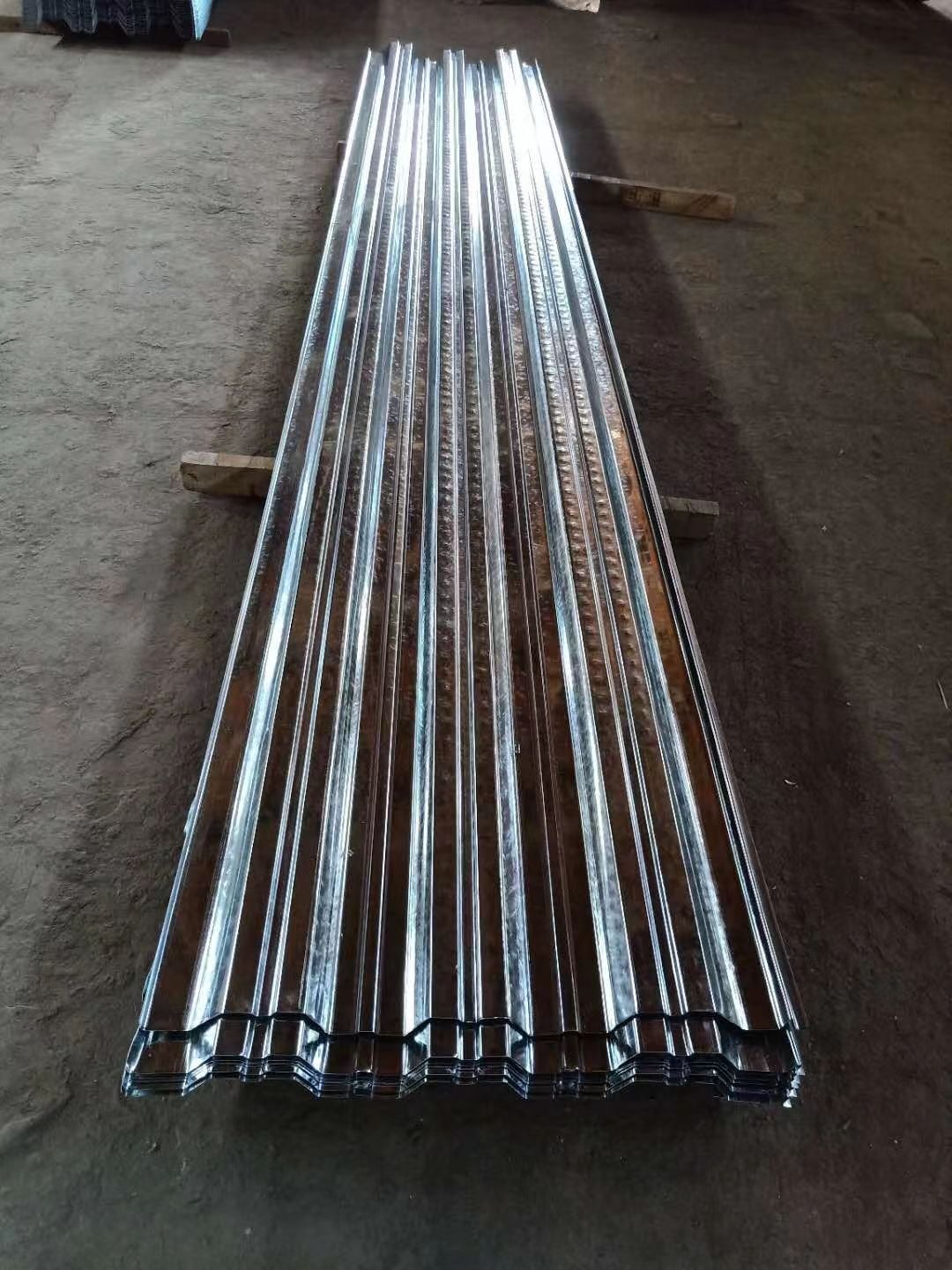
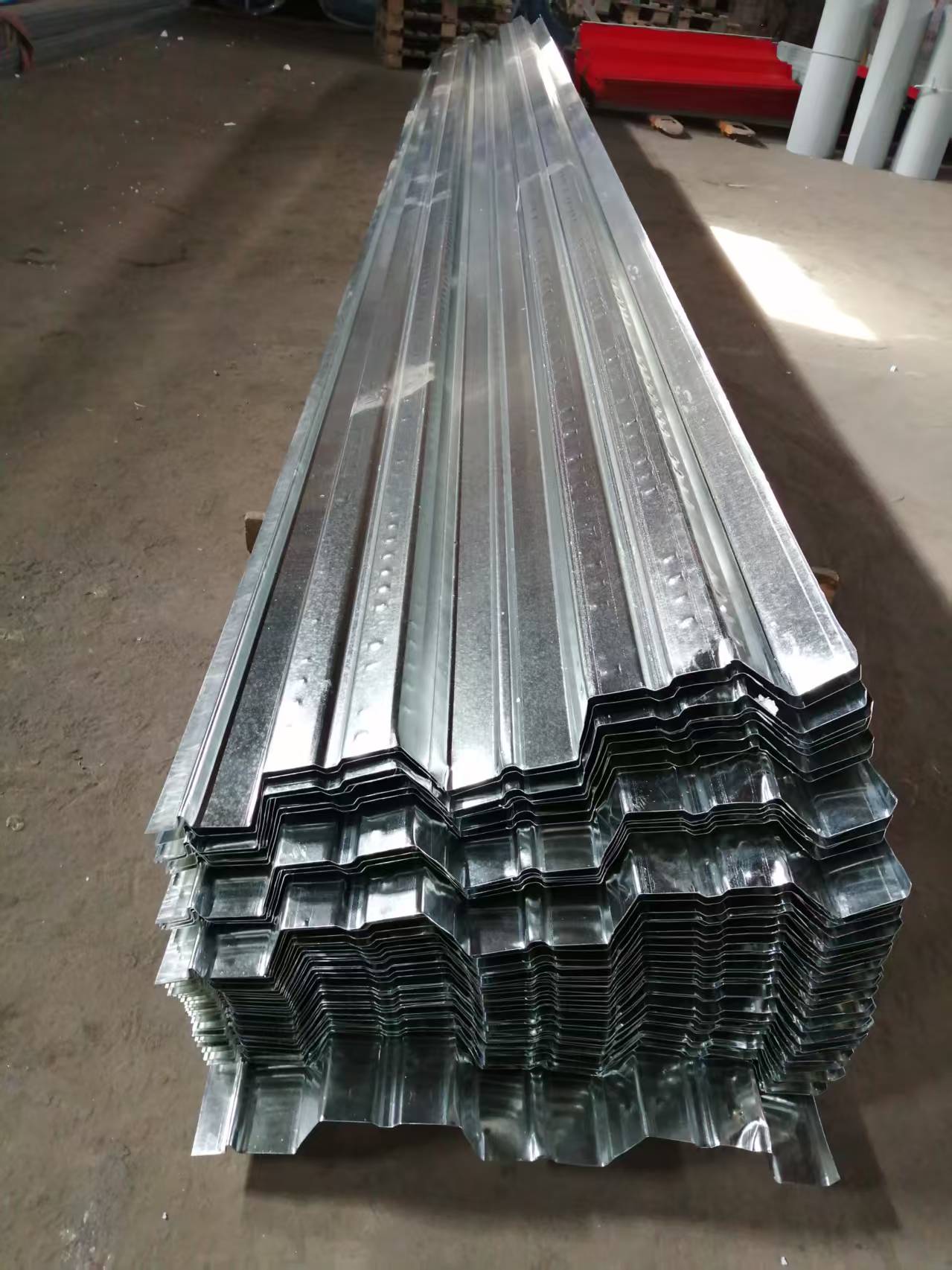
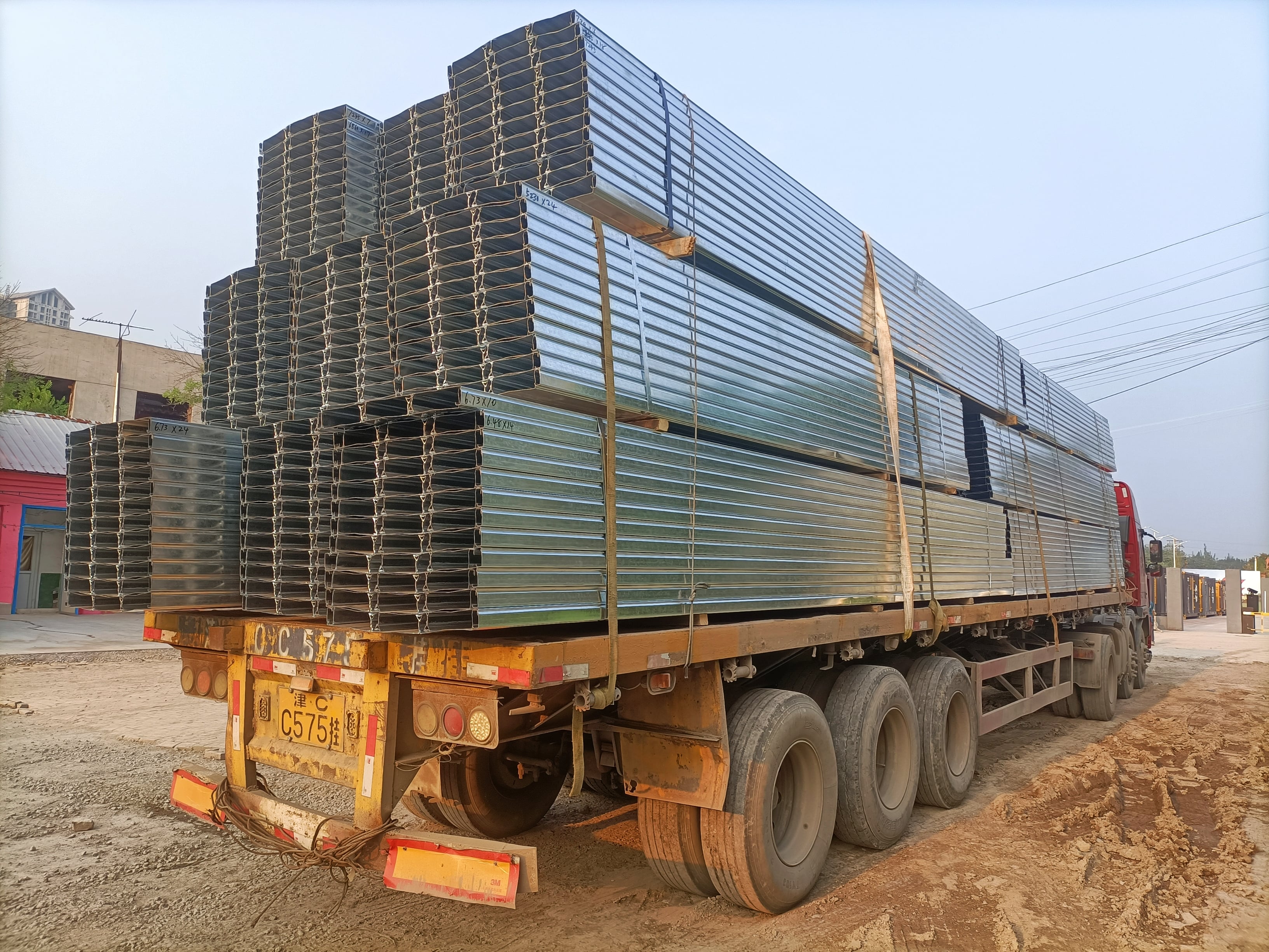
Galvanised metal roofing sheets are  a  popular choice  in the construction industry due to their durability, corrosion resistance,  and cost-effectiveness.  As a B2B  buyer, understanding  how to select reliable suppliers, assess specifications, and  evaluate quality  is  crucial  for ensuring the success of your projects. This  article will guide  you  through selecting the  right galvanised metal roofing sheets while  addressing  common concerns and practical considerations  for purchasing  managers, engineers,  and project managers.

Why choose Xingyuanxing galvanised metal roofing sheets

Our Products

How to Choose Reliable Suppliers for Galvanised Metal Roofing Sheets

Selecting a reputable supplier for  galvanised metal  roofing sheets involves  assessing  their experience, industry  reputation,  and  product offerings. Look for suppliers with a proven track record in steel structure  engineering, fabrication, and installation,  as well as those who specialize in colour steel production. A supplier like Tianjin Xingyuanxing Color Steel Structure Co., Ltd., which has over 10  years of experience in the  Beijing-Tianjin-Hebei region, can provide insight into the  market's best practices and  product quality. For instance, they can offer a variety of options including a Secondary steel structure that complements roofing systems.

When evaluating suppliers, consider their manufacturing capabilities, including the types of materials they use, production equipment, and quality control processes. Request samples to assess the quality firsthand and ensure they  meet your project specifications. Additionally, inquire  about their certifications  and compliance with industry  standards  to guarantee  that the products adhere  to necessary regulations.

Frequently Asked Questions

Our Blog Posts

What Our Partners Say

Key Specifications to Consider for Galvanised Metal Roofing Sheets

Key Specifications to Consider for Galvanised Metal Roofing Sheets

When sourcing galvanised  metal roofing sheets, several key specifications should be scrutinized to ensure suitability for your application:


Thickness: The thickness of the sheets  affects their strength and durability. Common thicknesses range from 0.3mm  to 1.2mm. Thicker sheets provide better structural  integrity but may also increase costs.

Material Composition: Galvanised sheets  are typically made from  steel coated with  zinc  to prevent corrosion. The  quality of the zinc coating (measured in grams per square meter) plays a significant role in the  lifespan and performance  of the roofing.

Dimensions: Standard dimensions include width and length, which can vary based on  your project requirements. Ensure that the  dimensions align with your design  specifications to avoid issues during installation.

Coating and Finish: The type of galvanisation (hot-dip or  electro-galvanised) affects the sheet's corrosion resistance and appearance. Hot-dip galvanisation generally  offers  better protection in harsher environments.

Performance Ratings:  Look for performance ratings regarding weather resistance, load-bearing capacity, and thermal efficiency, which will  impact the long-term performance of the roofing.

Understanding these specifications will help you make informed purchasing decisions that meet your project’s needs.

Evaluating the Quality of Galvanised Metal Roofing Sheets for Projects

Evaluating the Quality of Galvanised Metal Roofing Sheets for Projects

To ensure that  the galvanised metal roofing sheets meet your  quality  standards, consider the following  evaluation criteria:

Visual Inspection: Check for any visible  defects such as rust, dents, or irregularities in the coating. A consistent finish is indicative of proper manufacturing processes.

Zinc Coating Thickness: Verify the zinc coating thickness using a coating gauge. A minimum of 275 g/m² is often  recommended for  roofing applications, but this may  vary based  on environmental factors.

Structural Integrity: Conduct tests  on sample sheets  to  assess strength and flexibility. The sheets  should not easily bend or deform under pressure.

Certifications and Compliance: Ensure that  the products meet local and international standards, such as ASTM or ISO certifications, which guarantee quality and safety.

Supplier Feedback: Engage with previous customers or request case studies from the supplier to understand their  product performance in real-world applications.

By implementing  these  quality checks,  you can reduce the risk of issues during installation  and the lifecycle  of the roofing.

Cost Factors When Sourcing Galvanised Metal Roofing Sheets Wholesale

Cost Factors When Sourcing Galvanised Metal Roofing Sheets Wholesale

Understanding the cost factors associated with  sourcing galvanised metal roofing sheets  can help you budget effectively:

Material  Costs:  The price of  raw  steel  and zinc fluctuates based on market conditions. Suppliers may  offer bulk  pricing options, so it’s essential to discuss your volume needs.

Manufacturing Costs: Costs can  vary based on the supplier's production capabilities and the complexity of your order. Custom  sizes or finishes may incur additional charges.

Transportation and  Shipping: Consider shipping costs to your delivery location. If you are sourcing from abroad, import duties and taxes may also influence the total cost.

Lead Time: Shorter lead times for urgent projects may  result in higher costs. Plan ahead to mitigate this issue.

Quality vs.  Price: While it may be tempting to choose the lowest-priced option, remember that quality materials  can lead to lower maintenance  costs and longer service life, ultimately resulting in  better value for your  investment.

By taking  these cost factors into account, you  can make more informed purchasing decisions that align with your budget and project timelines.

Common Installation Problems with Galvanised Metal Roofing Sheets

When installing  galvanised metal roofing sheets, several common problems can arise. Awareness of these issues  can help ensure a smoother  installation process:

Improper Alignment: Ensure that sheets are aligned correctly to avoid gaps that can lead to leaks. Using a chalk line can help maintain straight edges during installation.

Fastener Selection: Using the  wrong type of fasteners can result in corrosion or structural failure. Opt  for corrosion-resistant fasteners and ensure they are  compatible  with the roofing material.

Thermal Expansion: Metal expands and contracts with temperature changes. Leave appropriate gaps to accommodate this movement, especially in larger installations.

Inadequate Underlayment: A proper underlayment is crucial for preventing  water infiltration.  Ensure that the underlayment is compatible with galvanised metal roofing to avoid deterioration.

Sealing and Flashing: Pay careful attention to sealing joints and flashing areas, particularly around penetrations like  chimneys or vents, to prevent water  leakage.


By being aware  of these common installation challenges,  you can take proactive steps to mitigate risks and enhance the longevity of your roofing system. Also, consider the use of an appropriate Accessories that can further improve installation efficiency and effectiveness.

By  following the guidance, you can confidently navigate the procurement process for galvanised metal roofing sheets,  ensuring that  your projects are completed  successfully and to  the highest  standards.