Rockwool Composite Panels: Key Benefits & Applications

application/rockwool-composite-panels, application/rockwool-composite-panels, 
Inquiry
Inquiry

rockwool composite panels

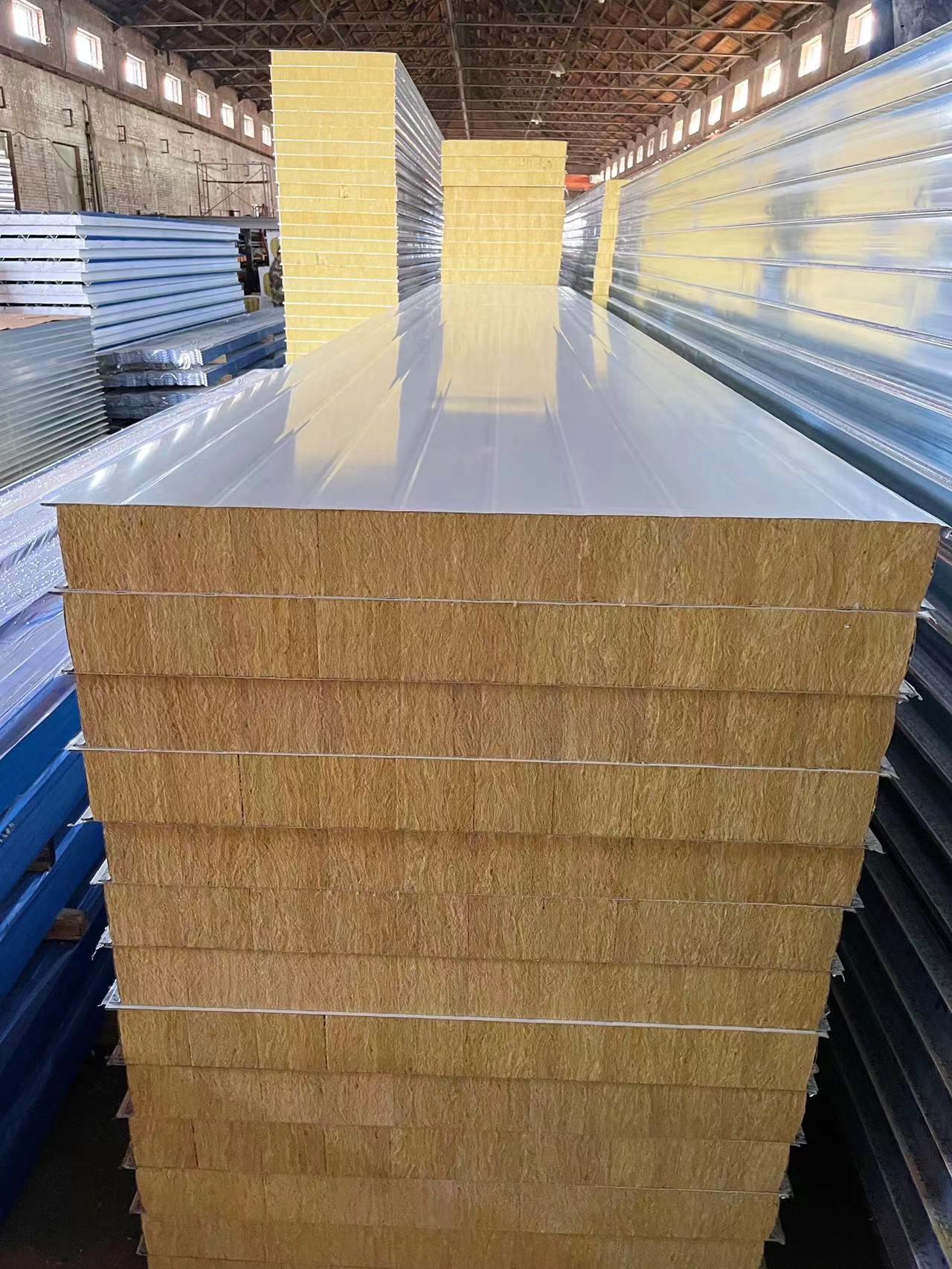
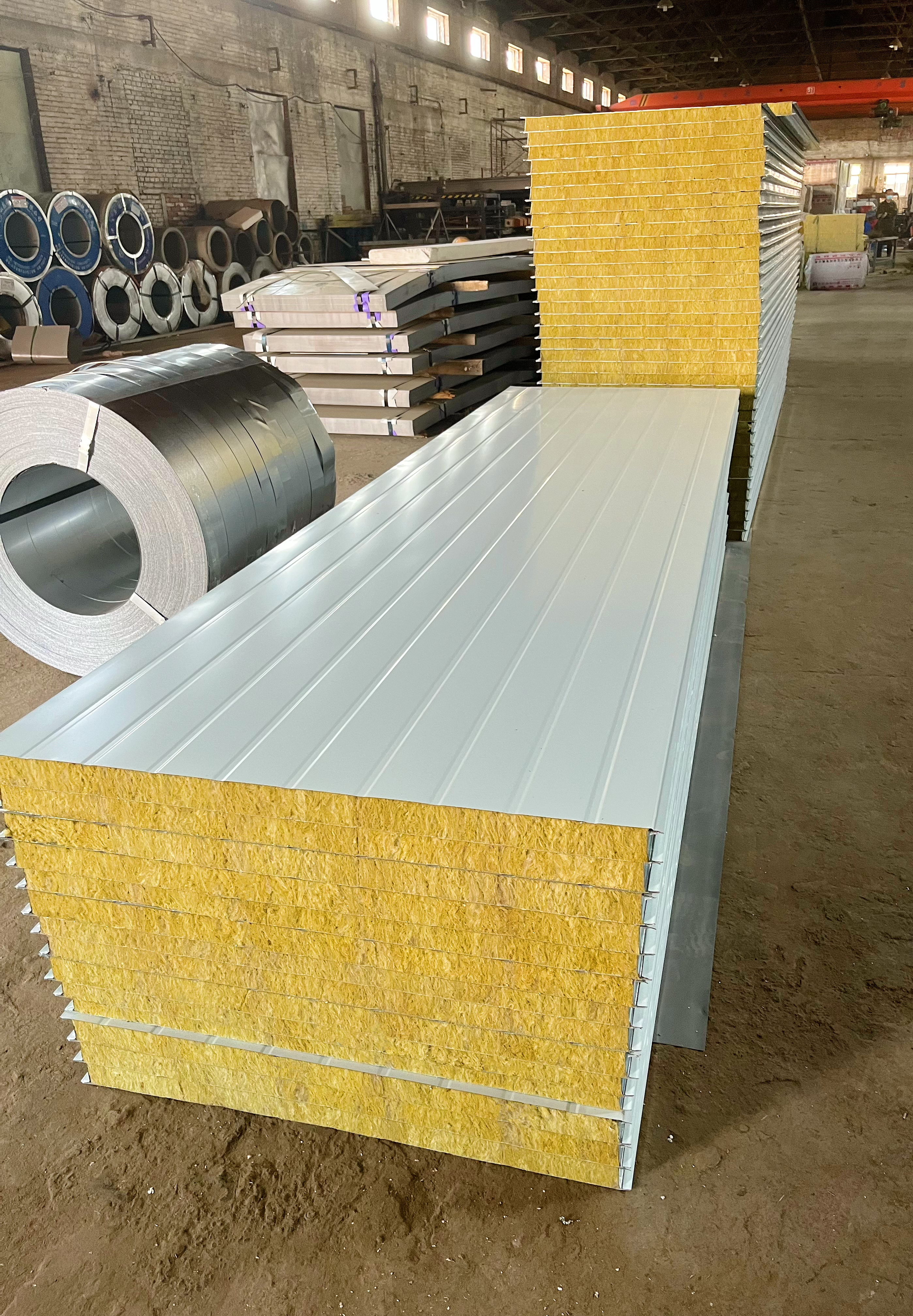
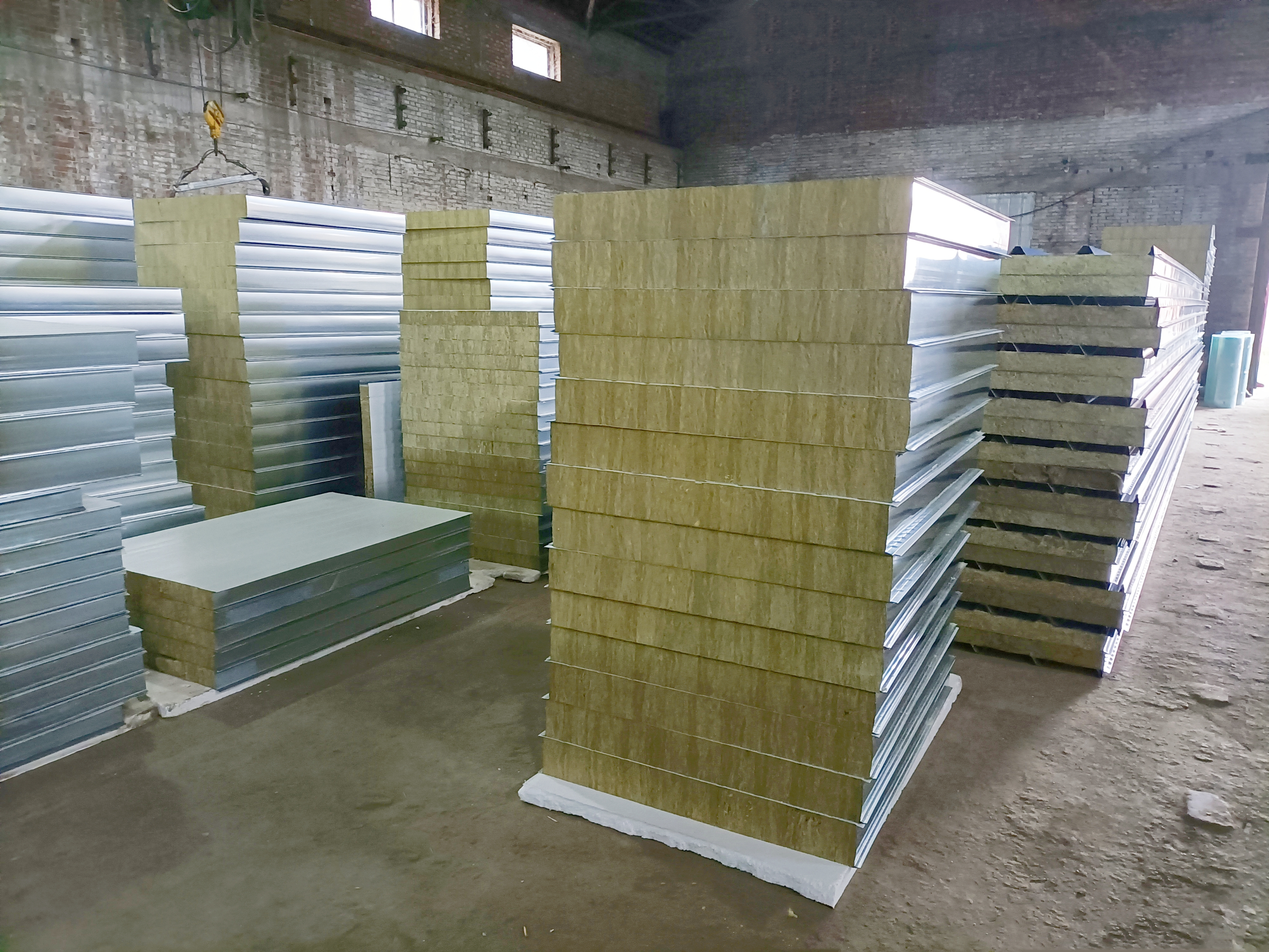
Rockwool  composite panels are a vital component in modern construction, combining excellent insulation properties with structural integrity.  These panels are  composed of rock wool insulation  sandwiched  between  two metal sheets, making them suitable for a  variety of  applications,  including commercial buildings, warehouses, and industrial facilities. As  a potential buyer,  you may  have concerns about specifications, sourcing, and  common  issues. This article will  provide  a  comprehensive understanding  of  rockwool composite panels, helping you  make informed purchasing decisions.

Why choose Xingyuanxing rockwool composite panels

Our Products

Key Factors

When selecting rockwool composite panels, several  key factors  should be considered to ensure they  meet your project's requirements.  First, the thickness of the panels is crucial, as  it directly affects thermal insulation and acoustic performance. Typical thicknesses range from 50mm to 150mm, but custom options are available. Additionally, understanding the different Secondary steel structure options can help you better determine the best fit for your project.

Another  important consideration  is the fire resistance of the panels. Rock wool is inherently non-combustible and can withstand  high temperatures, making it ideal for buildings  that  require stringent fire safety measures.  Ensure that the panels  meet local fire codes and  standards.

Moreover, the panel's structural integrity, including  its load-bearing capacity, is pivotal. This is  particularly important in industrial  settings where heavy equipment may be present. Request  detailed  specifications from manufacturers to confirm that the panels can withstand the expected loads.  The use of appropriate Roof system designs can also enhance structural performance.

Lastly, environmental factors such as moisture resistance and thermal conductivity should be evaluated. Panels with a low thermal conductivity  will provide better insulation, while moisture-resistant coatings  can prevent degradation in humid environments.

Frequently Asked Questions

Our Blog Posts

What Our Partners Say

Cost Considerations for Bulk Orders of Rockwool Composite Panels

Cost Considerations for Bulk Orders of Rockwool Composite Panels

Cost is a significant factor  when  purchasing rockwool composite  panels, especially for large projects.  Bulk orders can lead  to significant  savings, but various factors influence  pricing. The panel size, thickness, and customization options all  impact  the overall cost. Generally, standard panels are more cost-effective than customized versions.


Additionally, consider the  total cost of ownership, which includes shipping, handling, and installation expenses. For bulk orders, manufacturers  may offer better shipping rates, so it's essential to discuss  these options  during negotiations.

Another  cost-related aspect is the minimum order quantity (MOQ). Manufacturers often have an MOQ that can affect pricing. Understanding this upfront can  aid in budgeting and project planning. 

Finally, consider the long-term savings associated with energy efficiency. While the  initial investment may be higher  for high-performance panels, the energy savings over time can  offset the costs significantly.

Where to Find Reliable Suppliers of Rockwool Composite Panels

Where to Find Reliable Suppliers of Rockwool Composite Panels

Finding a  trustworthy supplier of rockwool composite panels is crucial for ensuring high-quality materials and service. Start by researching manufacturers with a proven track  record in the industry. Look for companies with certifications  related  to quality management systems, such as ISO 9001, which indicate a commitment to quality and consistency.

Networking within  industry forums,  trade shows, and professional associations can  also yield  valuable supplier recommendations. Engaging with peers  in  your industry can help identify reliable sources  based on their  experiences.

Additionally,  consider suppliers that provide comprehensive technical support and customer service. A supplier’s willingness to  assist with product specifications, installation guidelines, and after-sales support can significantly enhance your purchasing  experience.

Lastly,  viewing samples or visiting the supplier’s facility  can  provide insights into their manufacturing processes and quality control measures, further ensuring their  reliability.

 
Common Problems with Rockwool Composite Panels and Their Solutions

Common Problems with Rockwool Composite Panels and Their Solutions

While rockwool composite panels  are generally reliable, buyers should be  aware of potential issues that may arise during installation or use. One common  problem is moisture  infiltration, which can compromise insulation performance. To mitigate  this risk, ensure that  panels  are properly sealed during installation, and consider using moisture-resistant coatings.

Another issue is the  potential for panel deformation or warping over  time, particularly if they are exposed to extreme temperatures or improper handling. When ordering, confirm that panels meet relevant  standards for thermal expansion and contraction to minimize this  risk.


Additionally, buyers should be  aware of the  importance of proper installation techniques. Misalignment during installation can lead to gaps  and reduce insulation effectiveness. Ensure that installation is carried out by  trained professionals who understand the specific requirements of rockwool composite panels.


Lastly, regular inspections should be conducted post-installation to identify any potential issues  early. This  proactive approach can help maintain the integrity of the  panels and ensure long-term performance.

Applications of Rockwool Composite Panels in Various Industries

Rockwool composite panels are versatile and widely used across different industries due to their excellent insulation and fire-resistance properties. In the construction sector, they are commonly used for external walls, roofs, and  internal partitions in commercial buildings, where energy efficiency is a priority.

In industrial applications, these panels are often utilized in manufacturing facilities, warehouses,  and cold storage units. Their ability to maintain temperature control while  offering sound insulation makes them ideal for environments  requiring strict temperature  regulations.

Additionally, rockwool composite  panels are increasingly being used  in the agricultural  sector, particularly in greenhouse construction,  where thermal performance and humidity control  are essential for optimal plant growth.

In  summary, the versatility of  rockwool composite panels allows  them to meet a wide range of industry-specific requirements, making  them an  excellent choice  for various construction and industrial projects. Understanding  their applications and  performance characteristics can guide you in  selecting the right panels  for your needs.