Key Considerations for Perforated Metal Panels

application/perforated-metal-panels, application/perforated-metal-panels, 
Inquiry
Inquiry

perforated metal panels

Perforated  metal panels are  essential components in various industrial and  commercial applications, known for their  versatility and aesthetic appeal. As  a B2B buyer, understanding  the key factors that influence your purchasing  decision, including specifications, costs, applications,  and best practices, can significantly impact the  success of your  projects.  This  article will  guide you  through  the critical aspects of perforated  metal  panels,  helping you make informed choices that  align with your operational  needs.

Why choose Xingyuanxing perforated metal panels

Key Considerations

When selecting perforated metal panels, several key factors  must  be taken into account to ensure optimal performance and suitability for your specific application.

Material Selection: Common materials include stainless steel, aluminum, and mild steel, each offering distinct advantages. Stainless steel is corrosion-resistant,  making  it ideal for outdoor or  harsh  environments,  while  aluminum is lightweight and offers good strength-to-weight ratios.

Hole Patterns and Sizes: The perforation design  can greatly affect airflow, light  transmission, and aesthetic appeal. Standard patterns include round, square,  and custom shapes. The size and spacing of holes should be  chosen based on functionality and design requirements.

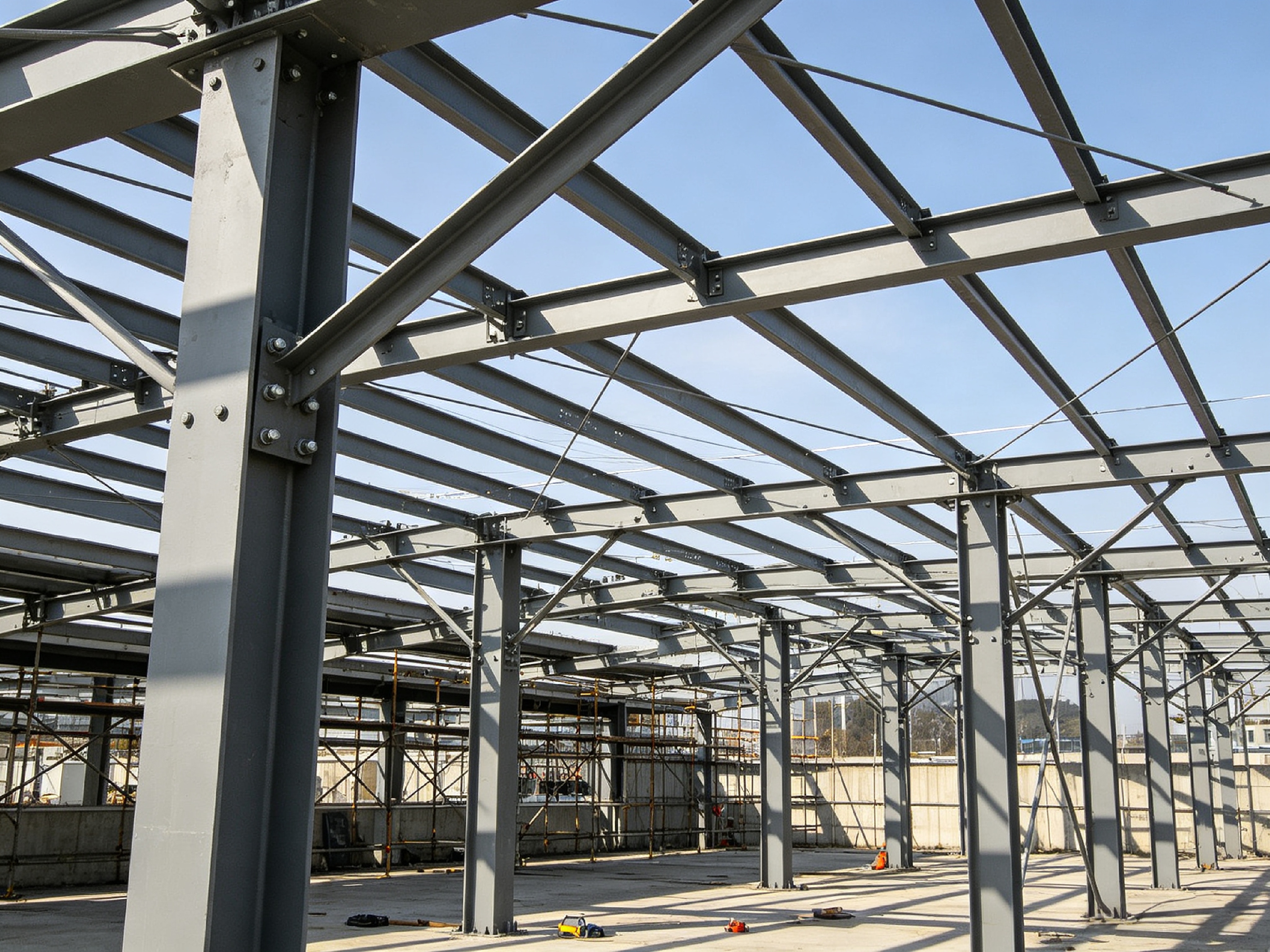
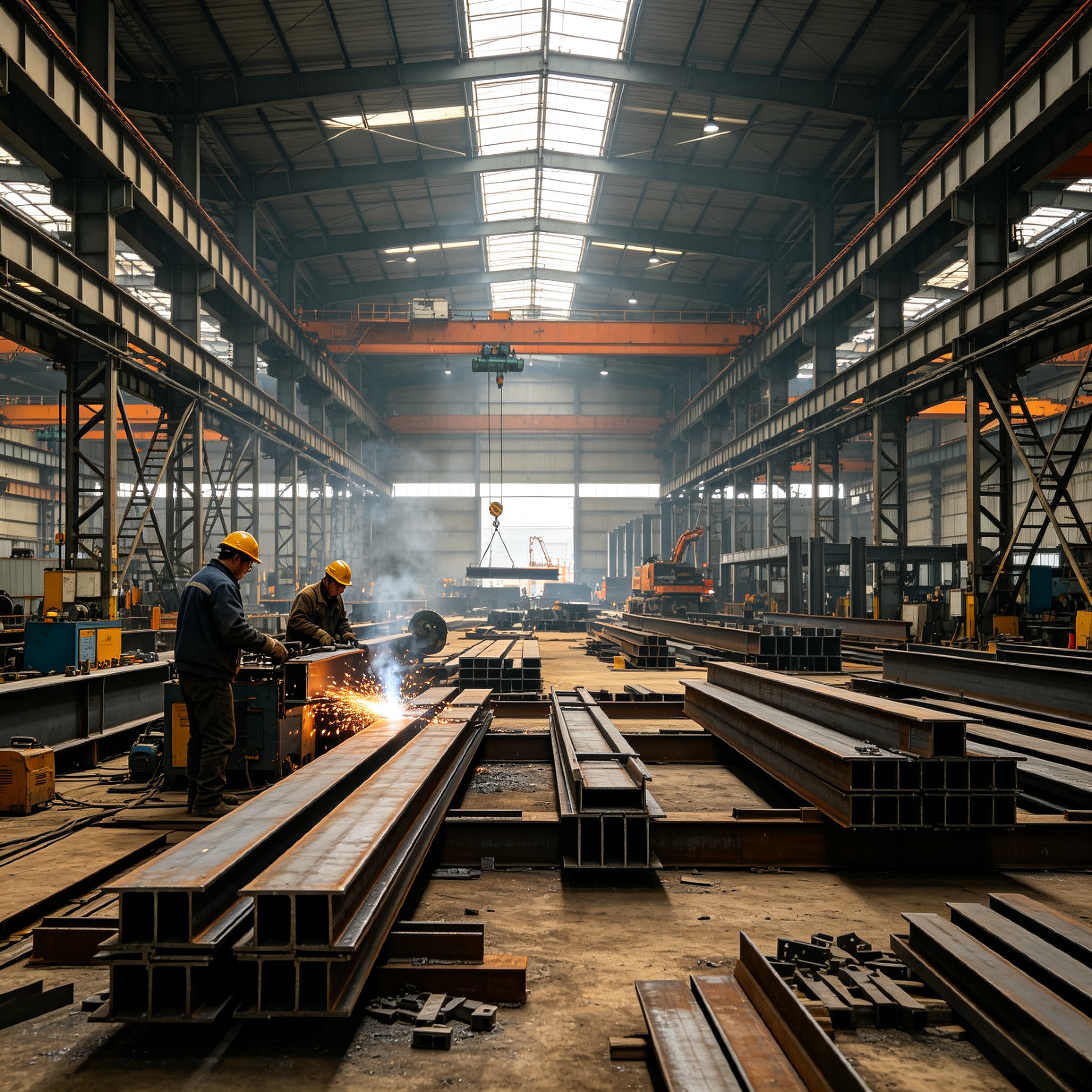
Thickness and Gauge: The thickness of  the metal influences durability and load-bearing capacity. Thicker panels provide greater strength but may be heavier and more costly.  It’s essential to balance  thickness with application demands. In many industrial applications, the secondary steel structure used can significantly support the design and functionality of the perforated panels.

Surface Treatment: Surface finishes can enhance corrosion resistance and  aesthetics. Options include powder coating, galvanizing,  or anodizing. Selecting the right finish can prolong the panel's lifespan and improve its  visual appeal.

Understanding these considerations ensures you choose perforated metal panels  that meet  both performance and design needs.

Frequently Asked Questions

Our Blog Posts

What Our Partners Say

Cost Factors to Consider When Purchasing Perforated Metal Panels

Cost Factors to Consider When Purchasing Perforated Metal Panels

Cost is often a critical factor in procurement decisions, and several elements influence the pricing of perforated metal  panels.

Material Costs: Different materials have varying price points. For instance, stainless steel typically costs more than  aluminum or mild  steel.  Evaluate the material requirements based on the  panel's intended application.

Production Techniques: The method used for perforating panels can affect costs significantly. Die punching may be more cost-effective for large quantities, while laser cutting offers precision  for custom designs but at  a higher cost.

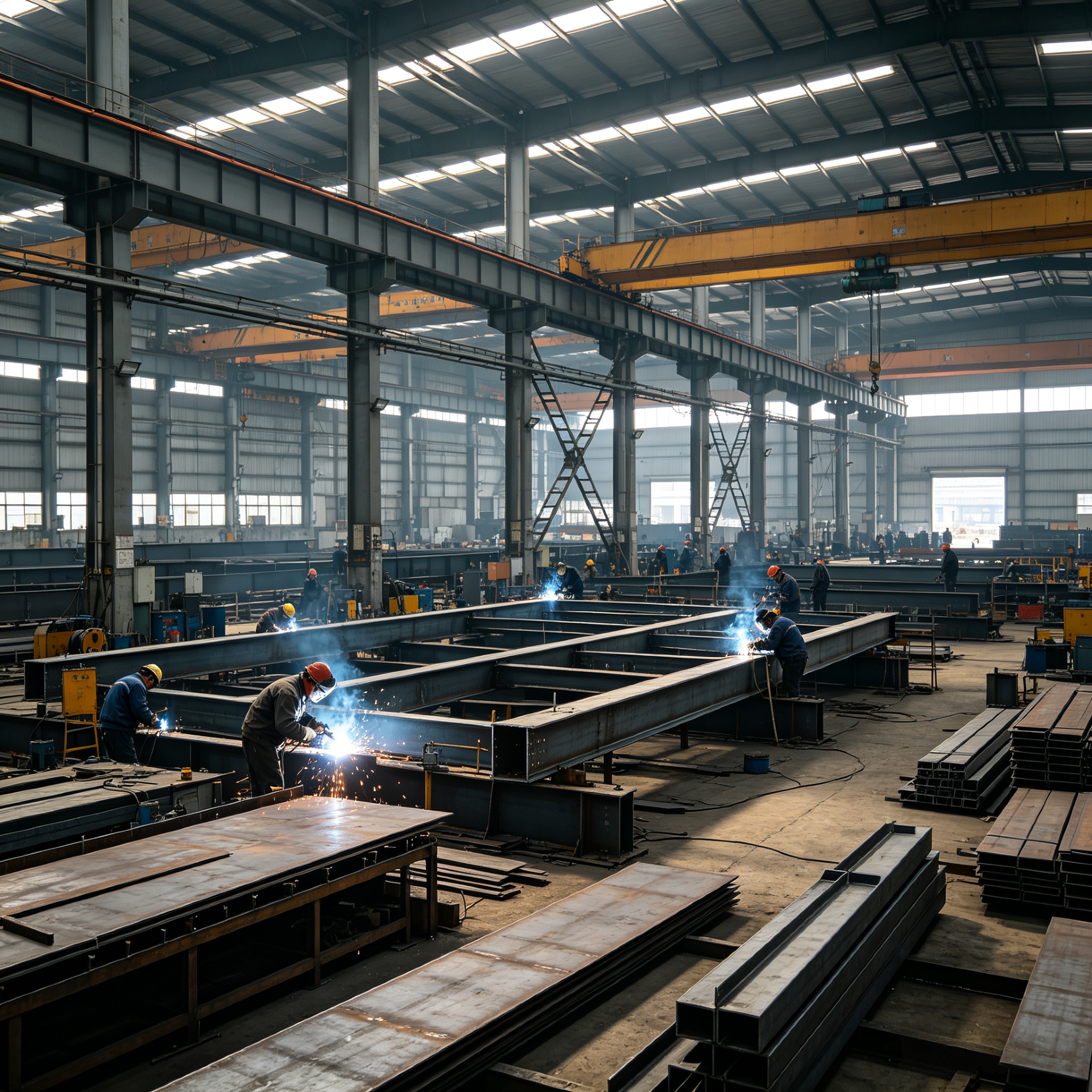
Customization: Custom designs or specifications may lead to increased costs. If your  project requires unique hole patterns or dimensions, be prepared for higher manufacturing expenses. This is particularly relevant when considering options like a factory building of steel structure that may require bespoke panel designs.

Order Quantity: Minimum order quantities (MOQ) can impact pricing. Larger orders  often qualify for bulk pricing,  reducing the overall cost per unit. Assess  your project needs to determine the most economical order size.

Shipping and  Handling: Consider the logistics of transporting panels, especially  if ordering from international suppliers. Shipping costs can add to the total expenditure, so factor this into your  budget.

By understanding  these cost  components, you can better manage your budget and make  informed  purchasing  decisions.

Best Practices

Best Practices

Implementing best  practices in the procurement and use of perforated metal panels can enhance project outcomes.

Request Samples: Before placing a large order, request samples to  evaluate material quality, finish, and performance under expected conditions. This step can prevent costly  mistakes and ensure the panels meet your specifications.

Specify Detailed  Requirements: When submitting a request for quotation  (RFQ), provide clear specifications including dimensions, hole  patterns, material types, and surface treatments. This clarity helps suppliers deliver accurate quotations and  reduces the risk of errors.

Quality Control:  Establish  quality control measures for both incoming materials  and during installation. Inspect panels  for defects such as irregular perforations or surface imperfections. Document any discrepancies to ensure accountability.

Collaboration with Suppliers: Engage with suppliers early in the design process. Their expertise can guide material selection, production methods, and compliance with industry standards, ultimately leading  to a  more successful project.

Plan for Installation:  Ensure that your installation team is familiar with the handling and installation of perforated panels.  Improper installation can lead to structural issues or aesthetic concerns.

Following these best practices  can streamline your procurement process and improve  the quality  and performance of your projects.

Exploring the Applications of Perforated Metal Panels in Various Industries

Exploring the Applications of Perforated Metal Panels in Various Industries

Perforated metal  panels  are widely used across numerous industries due to their adaptability  and functionality. Here are some common applications:

Architectural Features: Used  in facades, ceilings, and partitions, perforated panels can enhance aesthetic appeal while providing  ventilation and  light filtering. Their  design versatility allows for creative architectural solutions.

Industrial Applications: In manufacturing and processing facilities, perforated panels serve as guards, screens, and separators. Their ability to allow air and light while maintaining structural integrity makes them valuable  in factory  settings.

Noise Control: In urban  environments, perforated panels are used in  sound barriers to reduce noise pollution. Their design helps  absorb  sound while maintaining an open feel, making them ideal for public spaces.

Filtration: In  the  oil and gas industry, perforated panels are used for filtration applications. Their design allows for the separation of  liquids and solids, crucial for operational efficiency.

Automotive Industry: In automotive manufacturing, perforated panels are  utilized for heat dissipation and airflow management in vehicle components, contributing to improved performance and safety.

Understanding these applications  can  help buyers identify suitable  perforated metal panels for their specific industry needs.

What Buyers Should Know

When purchasing perforated metal panels, buyers should  be aware of  several important considerations:

Technical  Specifications: Confirm all technical specifications, including material grade, thickness, hole size, and  pattern. These factors will affect  the panel's performance and suitability for your application.

Compliance Standards: Ensure  that the chosen panels  meet  relevant industry regulations and standards. Compliance with safety  and environmental guidelines is crucial, especially in sectors like construction and manufacturing.

Customization Options: Many suppliers  offer customization  in terms  of size, shape, and  finish. Discuss your  specific needs with the supplier to explore  available options that can enhance functionality or aesthetics.

Lead Times: Inquire about production lead times, especially if your project has tight deadlines. Understanding the time frame for manufacturing  and shipping will help you plan accordingly.

After-Sales  Support: Consider suppliers that offer after-sales support or warranties.  This support can be invaluable in addressing any issues that may arise post-purchase.

By keeping these factors in mind, buyers  can navigate the complexities of procuring perforated metal panels, ensuring they meet their operational  and project requirements.