Top Steel Structure Manufacturers for Your Projects

application/steel-structure-manufacturers, application/steel-structure-manufacturers, 
Inquiry
Inquiry

steel structure manufacturers

Choosing the right steel structure  manufacturer is crucial  for the  success of  your project.  Steel structures offer durability, design flexibility, and cost-effectiveness, making them a popular choice across various  industries. However, concerns about quality,  delivery timelines,  and customization capabilities  often linger  in the  minds  of purchasing managers, engineers, and product managers. This article will  guide you  through the key considerations in  selecting and evaluating steel structure manufacturers, ensuring  that your  next  project runs smoothly  and meets all  requirements.

Why choose Xingyuanxing steel structure manufacturers

Our Products

Benefits of Choosing Reliable Steel Structure Manufacturers

Selecting a reliable steel structure  manufacturer provides several  significant advantages. First, manufacturers with a solid reputation often have established quality  control processes that ensure  consistent product performance. This  stability in quality is particularly important in  projects where safety and compliance  with regulatory standards are non-negotiable.

Moreover, a dependable manufacturer can offer  tailored solutions that meet specific project requirements.  Whether it's a particular  design, size, or material specification, a manufacturer with customization capabilities can adapt to  your needs. This flexibility can lead to enhanced project efficiency, reducing delays and  potential cost overruns. For instance, if you require a specific Secondary steel structure, a reputable manufacturer should be able to accommodate that.

Finally,  experienced manufacturers often have extensive knowledge  of  the  local market and supply chains, which can facilitate smoother logistics and  timely delivery. This efficiency can be  a  significant factor, especially in large-scale projects where time is  of the essence.

Frequently Asked Questions

Our Blog Posts

What Our Partners Say

How to Evaluate Steel Structure Quality for Your Projects

How to Evaluate Steel Structure Quality for Your Projects

When  assessing the quality of steel structures, several specifications must be evaluated to ensure they align with your project needs. Key  factors include:

Material Specification: Check the type of steel used  (e.g., Q235, Q345) as it determines the structure's  strength and durability. The material should meet relevant local and international  standards, such as ASTM or ISO certifications.

Thickness and Dimensions: Verify that the steel thickness and dimensions  match your project requirements. A common oversight is assuming that standard sizes will fit all applications; however, custom dimensions  may be necessary depending on the load-bearing requirements.

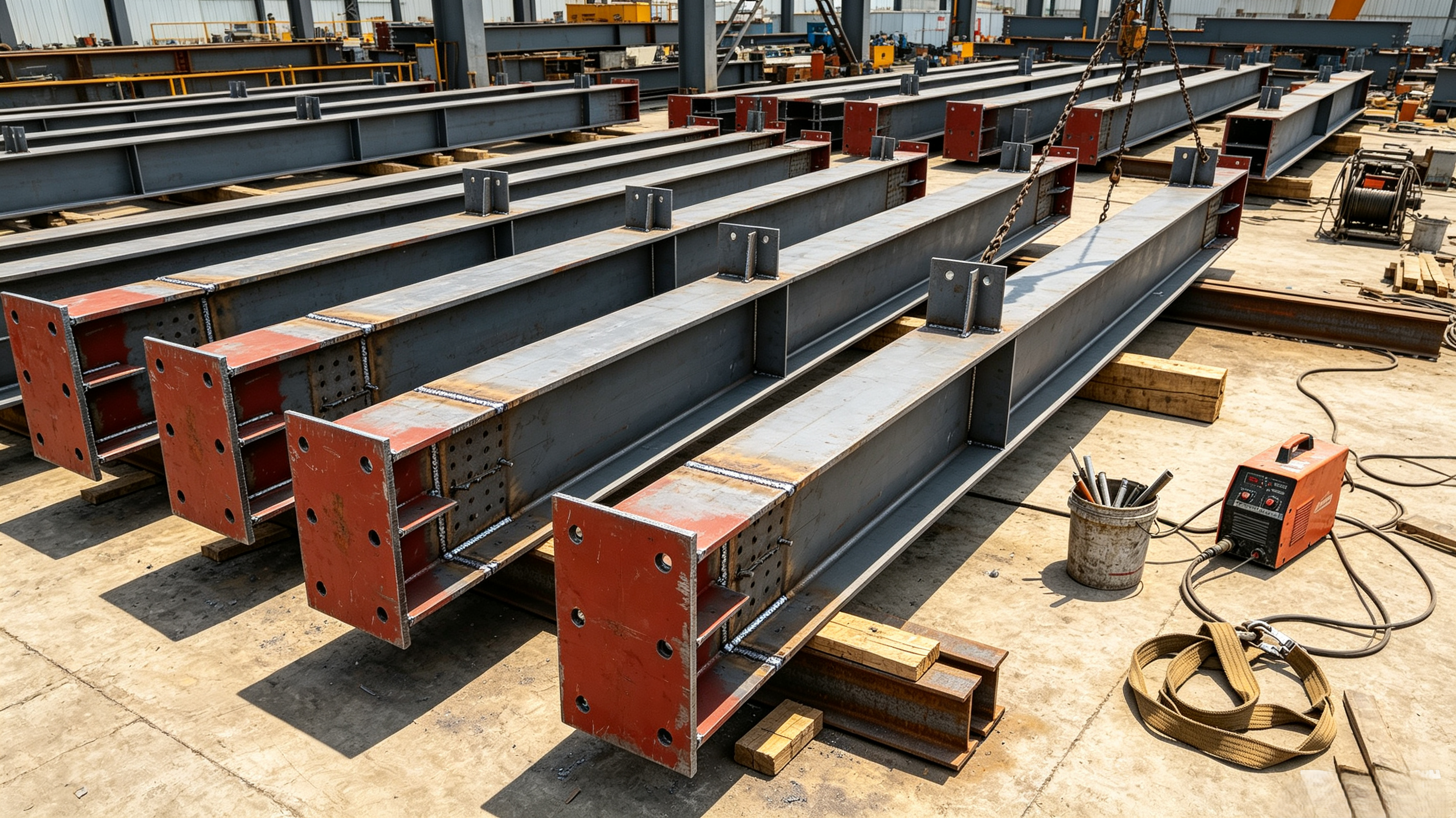
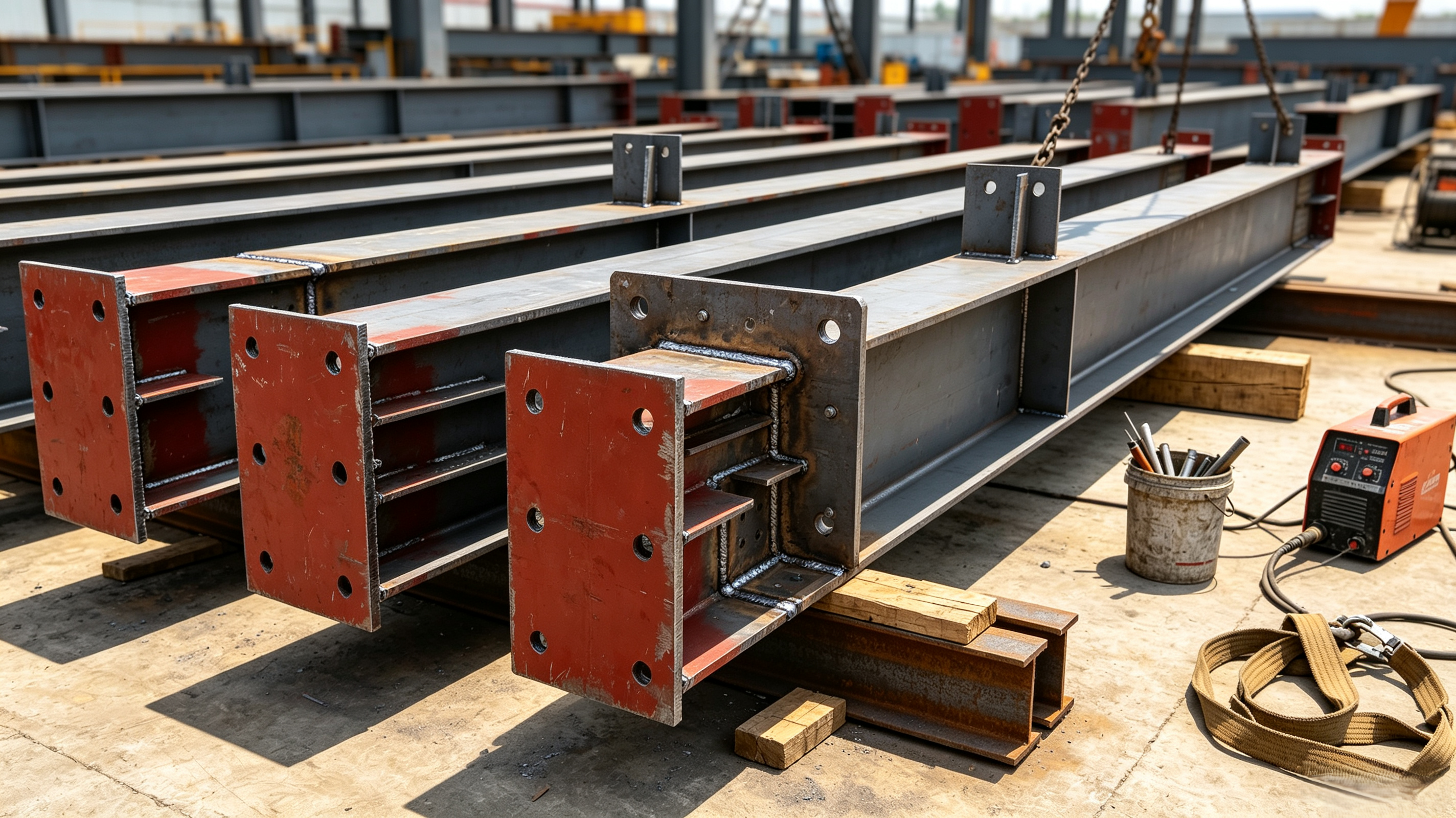
Welding Quality: The welding process is crucial as  it affects the structural integrity. Ensure  that the manufacturer employs skilled  welders and follows established  welding standards.

Surface Treatment: Inquire about  any protective coatings or treatments applied to the steel. These can enhance corrosion resistance, particularly in harsh environments.

Quality Control Processes: A reputable  manufacturer will implement rigorous  quality  checks at various production stages. Confirm that  they  have a documented quality management system  in place.

Understanding these specifications and how they impact the overall performance of the steel structures will provide you  with  confidence in your purchasing decisions.

Where to Source Bulk Orders of Steel Structures Efficiently

Where to Source Bulk Orders of Steel Structures Efficiently

Sourcing bulk orders of steel structures can be streamlined  by following a few strategic steps:

Direct Manufacturer Contact: Establish direct communication with manufacturers like Tianjin Xingyuanxing Color  Steel Structure Co., Ltd., which specializes in steel structure engineering design, fabrication, and  installation. This  direct line can lead to better  pricing and customized solutions.

Bulk Purchasing Agreements: Discuss the possibility of bulk purchasing agreements that  may offer discounts based  on volume. Manufacturers may also provide favorable terms for long-term partnerships.

Online Platforms and Marketplaces: Utilize B2B platforms that specialize in industrial products. These platforms allow you to compare multiple  manufacturers and their offerings, facilitating easier decision-making.

Local Trade Shows and Exhibitions:  Attend  industry trade shows to meet  manufacturers in person. This is an excellent  opportunity to  discuss specifications, establish relationships, and see product samples  firsthand.

Logistics Planning: Work with your supplier to ensure that logistics are well-coordinated.  Discuss lead times, delivery schedules,  and packaging options to minimize  delays once the order is placed.

By following these strategies, you can  efficiently procure bulk orders while ensuring  that your project specifications are  met.

Applications of Steel Structures in Various Industrial Projects

Applications of Steel Structures in Various Industrial Projects

Steel structures are versatile  and  find application across multiple industries, including:

Manufacturing  Facilities: Steel frames provide the  necessary strength and flexibility for manufacturing plants, enabling  expansive open spaces for equipment  and assembly lines.

Warehouses  and Distribution Centers:  The durability of steel  makes it an ideal choice for warehouses, where large open  areas and high ceilings are required to accommodate various inventory types.

Commercial Buildings: In commercial construction, steel structures can support large spans and intricate designs, making them suitable for shopping centers, office buildings, and hotels.

Bridges  and Infrastructure: Steel's high  strength-to-weight ratio  allows for the  construction of  durable bridges and other infrastructure projects that require long spans without excessive material use.

Energy Sector: In wind,  solar,  and oil & gas industries, steel structures are essential for supporting equipment and infrastructure, often requiring customization to meet specific environmental conditions, such as those offered by Roof systems.

Understanding these applications can help  you determine the best type  of steel structure for your  project needs.

How to Compare Steel Structure Suppliers for Best Value

When comparing steel structure suppliers, consider the following  criteria to  ensure you receive the best value for your investment:

Pricing Models: Request detailed quotations from multiple suppliers. Ensure that the  pricing includes all factors such as  material costs, labor, and  delivery to avoid hidden charges.

Customization Options: Evaluate the extent of customization each supplier offers. Some projects may require unique designs or specifications, so prioritize suppliers who can accommodate these needs.

Lead Times: Assess the expected lead times for each supplier. Consistent  and reliable delivery  schedules can  significantly impact project timelines.

Past Performance: Research each supplier's track record. Look  for  testimonials or case studies from previous clients to gauge reliability and quality of service.

Post-Sales Support: Consider the level of after-sales support  offered. Suppliers who provide installation assistance, warranty services, and maintenance support can save  you time and resources in the long run.

Quality Certifications: Verify any  industry certifications or quality management systems in place at the  supplier's facility. Certifications like ISO 9001 can be  indicators of a commitment  to quality.

By systematically comparing these factors, you  can identify a steel structure supplier that meets your project requirements while offering the best  overall value.