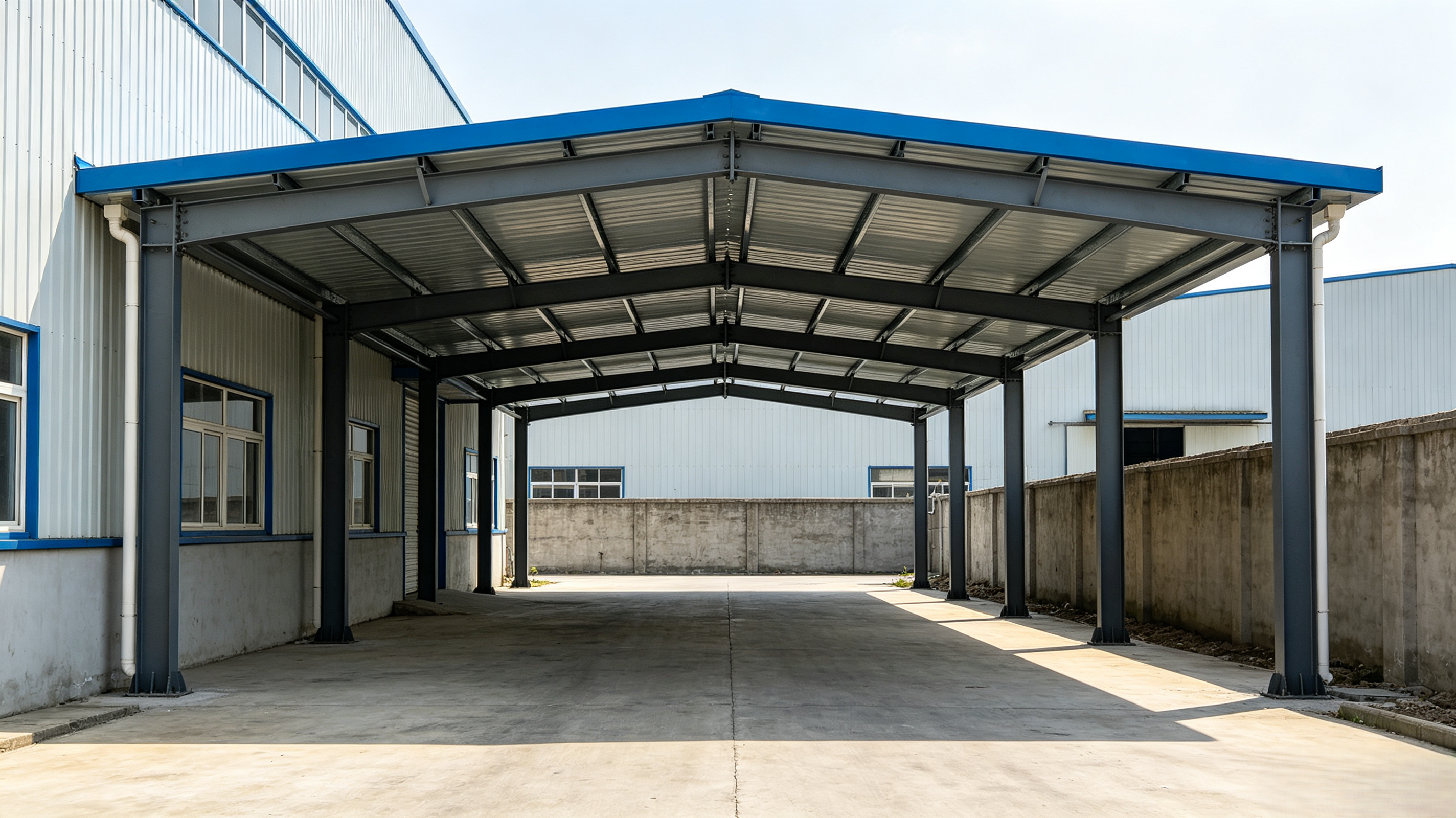
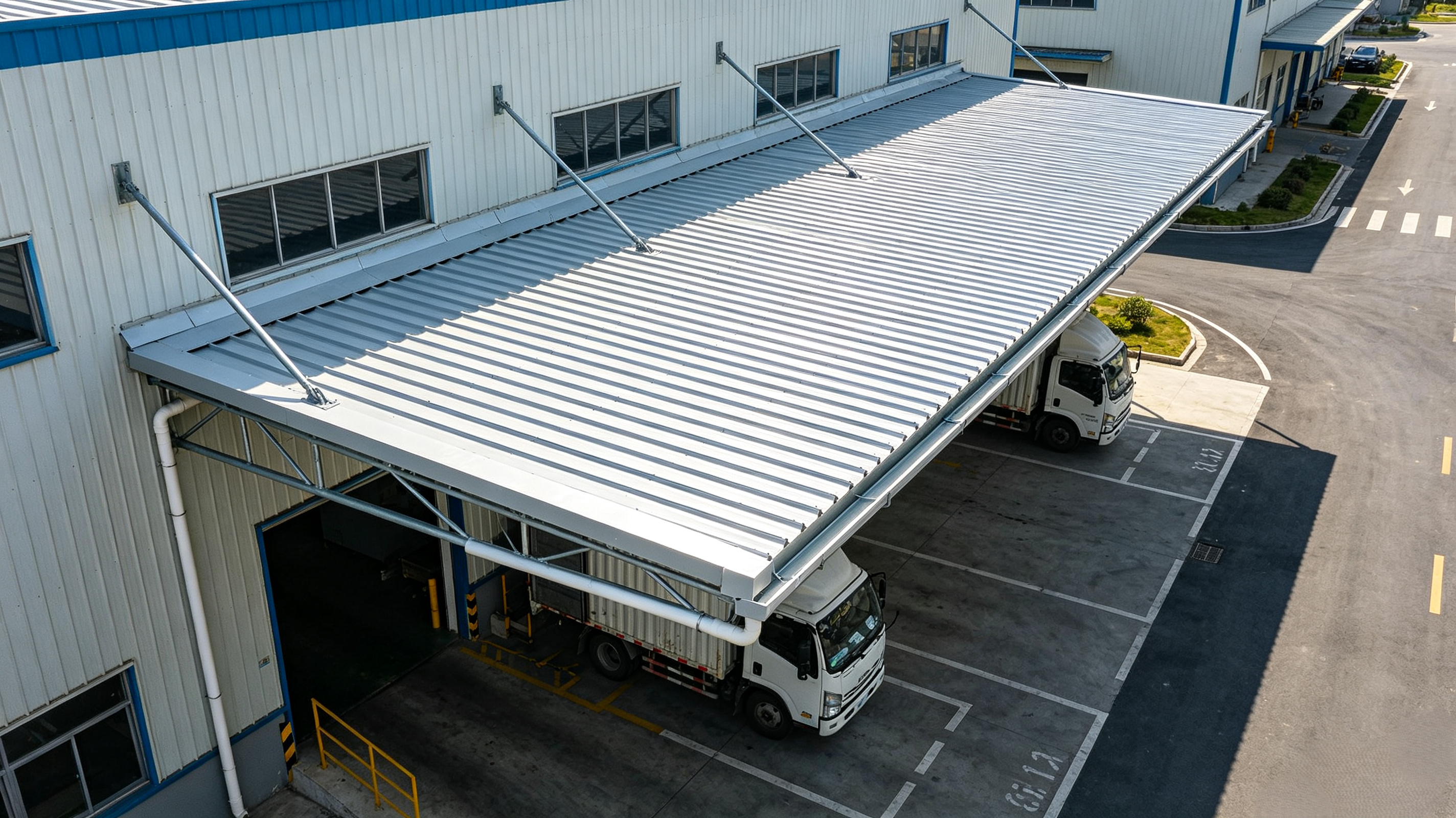
Top Steel Building Manufacturers for Your Projects

application/steel-building-manufacturers, application/steel-building-manufacturers, 
Inquiry
Inquiry

steel building manufacturers

In the realm of construction and industrial applications, steel building manufacturers play  a pivotal  role, offering  robust solutions for various structural needs. Understanding the intricacies  of steel buildings  is  essential for  B2B buyers, including purchasing managers, engineers, and  project  managers, as they navigate considerations  such as quality, specifications, and supplier reliability. This article aims  to provide comprehensive  insights into steel building products, focusing on key  specifications,  supplier  selection, the advantages and disadvantages  of steel  structures, purchasing  tips, and technical expertise  in design and  fabrication processes.

Why choose Xingyuanxing steel building manufacturers

Our Products

Key Specifications of Steel Building Products

When evaluating steel building products, several key specifications are critical for ensuring the structure  meets its intended purpose.

Material Properties: Steel used in construction  typically  adheres to standards such as ASTM A36 or A992, which  specify yield strength, tensile strength, and chemical composition. Understanding these  properties helps ensure the material can withstand the stresses it will encounter in its application.

Dimensions and Weight: Specifications should include the dimensions of steel beams, columns, and panels, as well as their weight per  linear foot. This information is  crucial for  load  calculations and ensuring compatibility with other construction elements.

Coating and  Treatment: The type of  surface treatment,  such  as galvanization  or powder coating, impacts corrosion  resistance and aesthetic appeal. Buyers should confirm the coating method suitable for the structure's intended environment. For example, Corrosion-Resistant Hot-Dip Galvanized Round Tube Q235B For Greenhouse Bracing is an excellent choice for enhanced durability.

Fire Resistance Ratings: In many applications, fire resistance is a critical factor. Buyers should verify the fire rating of steel components, ensuring they meet local  building codes and regulations.

Customizations: Many steel building manufacturers offer  customization options, including specific sizes, shapes,  and finishes to meet unique  project requirements. It’s essential for buyers to communicate their needs clearly to ensure accurate quotations and production.


Frequently Asked Questions

Our Blog Posts

What Our Partners Say

Where to Find Reliable Steel Building Suppliers for Bulk Orders

Where to Find Reliable Steel Building Suppliers for Bulk Orders

Finding trustworthy steel building suppliers is crucial for successful project execution. Here  are  some strategies to identify reliable manufacturers:

Industry Associations: Joining industry organizations such as  the Steel Construction Institute or the American Institute of Steel Construction can provide valuable resources and connections to reputable  manufacturers.

Trade Shows and Expos:  Attending  trade shows focused on construction and manufacturing allows  buyers to meet  suppliers, view product samples, and discuss capabilities in person.

Online Marketplaces:  Platforms such as Alibaba  or  Thomasnet can help buyers  find  a  range of steel building  manufacturers, but it's critical to conduct thorough due diligence, including checking reviews and requesting references.

Local Industry Networks: Leverage local business associations or chambers of commerce to identify established manufacturers in your region,  which may also facilitate easier logistics  and communication.

RFQ Processes: When requesting quotations, providing detailed specifications and  project requirements can help suppliers respond accurately. This process also allows  buyers to gauge  the supplier's responsiveness and professionalism.

Advantages and Disadvantages

Advantages and Disadvantages

Steel buildings  come with a range of advantages and disadvantages that can influence purchasing decisions.

Advantages: Durability: Steel  is known  for  its strength and longevity,  making it  an ideal choice  for structures that must endure  harsh conditions. Speed  of Construction:  Pre-fabricated steel components  can significantly reduce construction time, leading to faster  project completion. Design Flexibility: Steel allows for open floor plans and various architectural designs, providing flexibility in building layouts. Sustainability: Steel is recyclable, making it an environmentally friendly choice for construction projects. Disadvantages: Cost: The  initial cost of steel can be higher than other  materials like wood or concrete, though long-term savings may offset this expense. Thermal Conductivity: Steel  conducts heat, which can lead  to higher  energy costs  unless  proper insulation is incorporated. Corrosion Risk: Without adequate protection, steel is susceptible to rust, particularly in humid or  coastal environments. Proper coatings and maintenance are essential to mitigate this risk.
Wholesale Purchasing Tips for Steel Building Components and Materials

Wholesale Purchasing Tips for Steel Building Components and Materials

When purchasing steel building components  in bulk, consider the following tips to ensure a smooth procurement  process:

Volume Discounts: Many manufacturers offer tiered pricing  based on quantity. Buyers should inquire about potential discounts  for larger orders, which can lead to  significant cost savings.

Lead Times: Understanding  lead times is critical for project scheduling. Discuss with suppliers their  production  capacity and any potential delays  to avoid impacting project timelines.

Quality Assurance: Implement a quality control process to evaluate materials upon delivery. This includes checking for  compliance with specifications and inspecting for damages.

Documentation: Request detailed documentation, including  certificates  of compliance, material test reports,  and warranties. This information  is essential for ensuring  the quality and performance of the products. For instance, No-Concrete Galvanized Steel Floor Deck Q235B For Rapid Mezzanine Construction offers excellent documentation support.


Sample Approvals: Before  committing to a bulk order, request samples to verify that the products meet your  specifications and quality standards. Testing samples under actual conditions  can help avoid issues during full-scale  production.

Technical Expertise in Steel Building Design and Fabrication Processes

A comprehensive understanding of the design and fabrication processes is vital for buyers looking to invest in steel buildings. Key aspects include:

Engineering Design: Steel building designs must comply with local building  codes, which can vary significantly. Collaborating with experienced engineers ensures that the design meets structural integrity and safety standards.

Fabrication Techniques: Familiarize yourself with various  fabrication methods, such as  welding, bolting, and riveting.  Each  method has different implications  for strength, cost, and production time.

Inspection and Testing: Manufacturers typically conduct inspections during various  stages of production, including material testing, dimensional checks, and final assembly evaluations. Buyers should inquire  about these quality control measures  to ensure  reliability.


Installation Requirements: Understanding the installation process is crucial. Steel structures  often require specialized skills  and equipment for proper assembly. Buyers should  ensure that their contractors have the necessary expertise to handle such installations.

Ongoing Maintenance: Steel  buildings require regular inspections and maintenance to  ensure longevity. Buyers should be  aware of the maintenance schedules and practices recommended by the manufacturer  to mitigate issues such as corrosion.

By understanding these aspects, B2B buyers can make informed decisions when selecting steel building manufacturers and components, ensuring that their projects are executed efficiently  and  effectively.