Rockwool Panel Manufacturers: Key Insights and Benefits

application/rockwool-panel-manufacturers, application/rockwool-panel-manufacturers, 
Inquiry
Inquiry

rockwool panel manufacturers

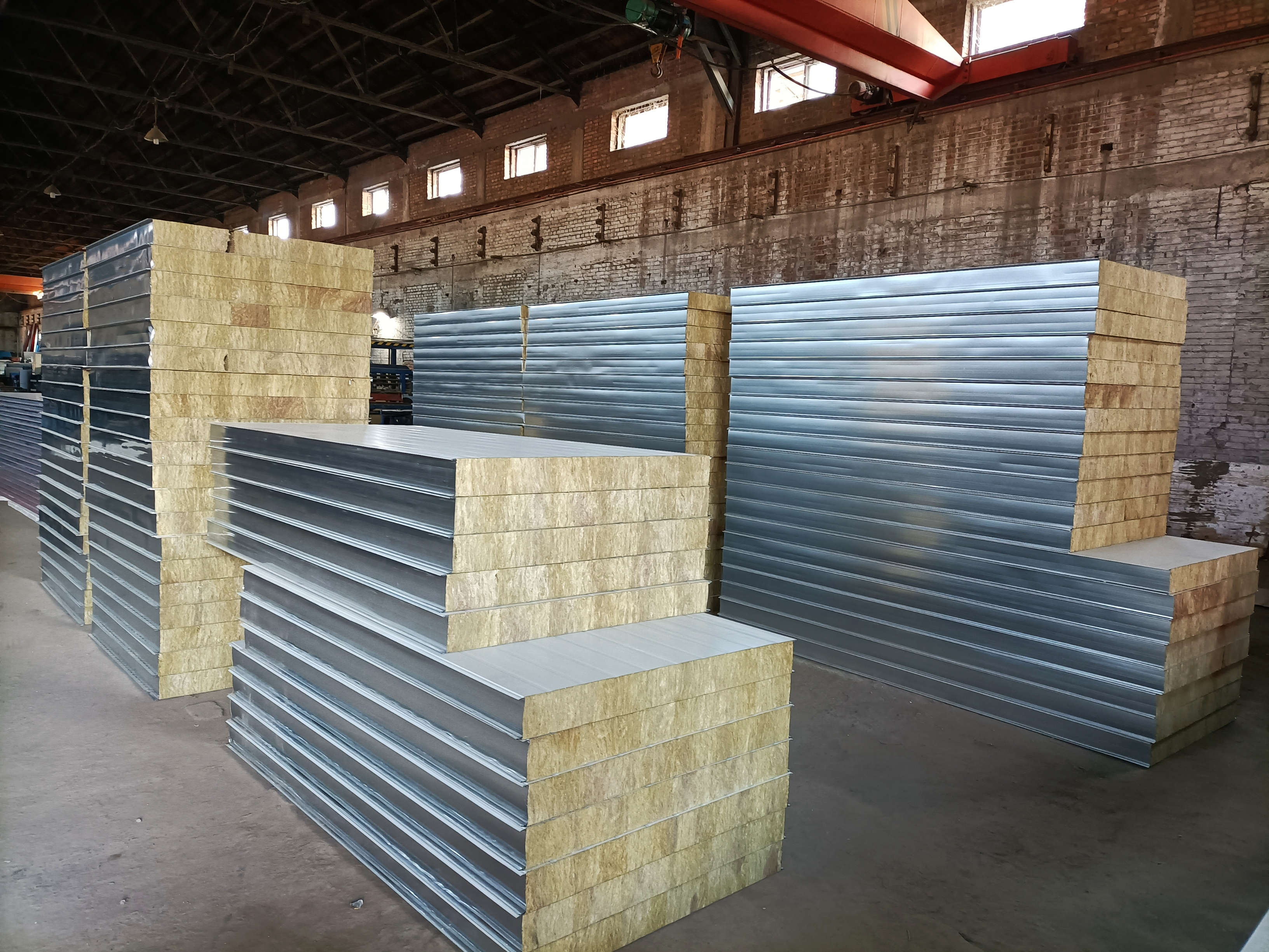
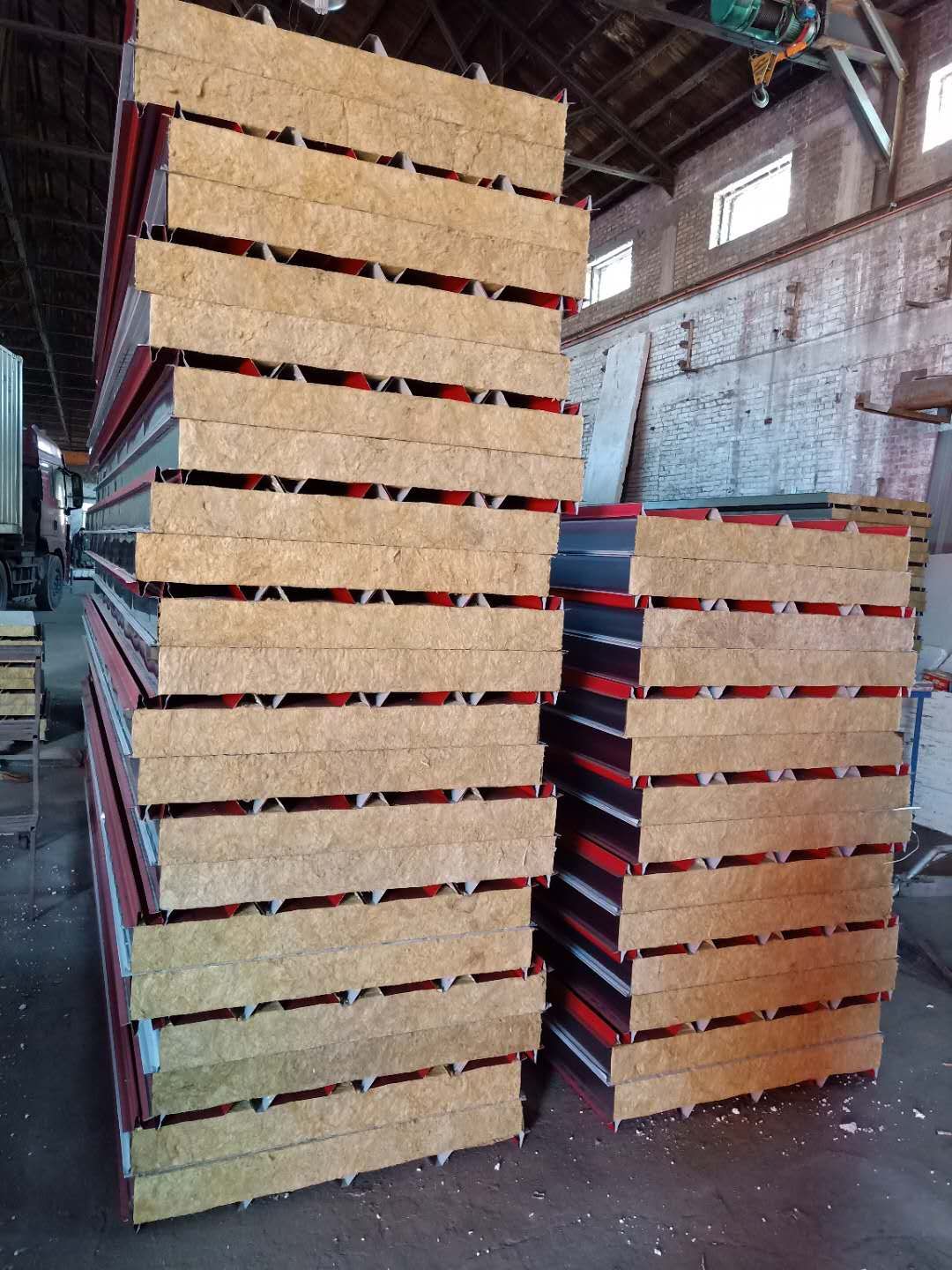
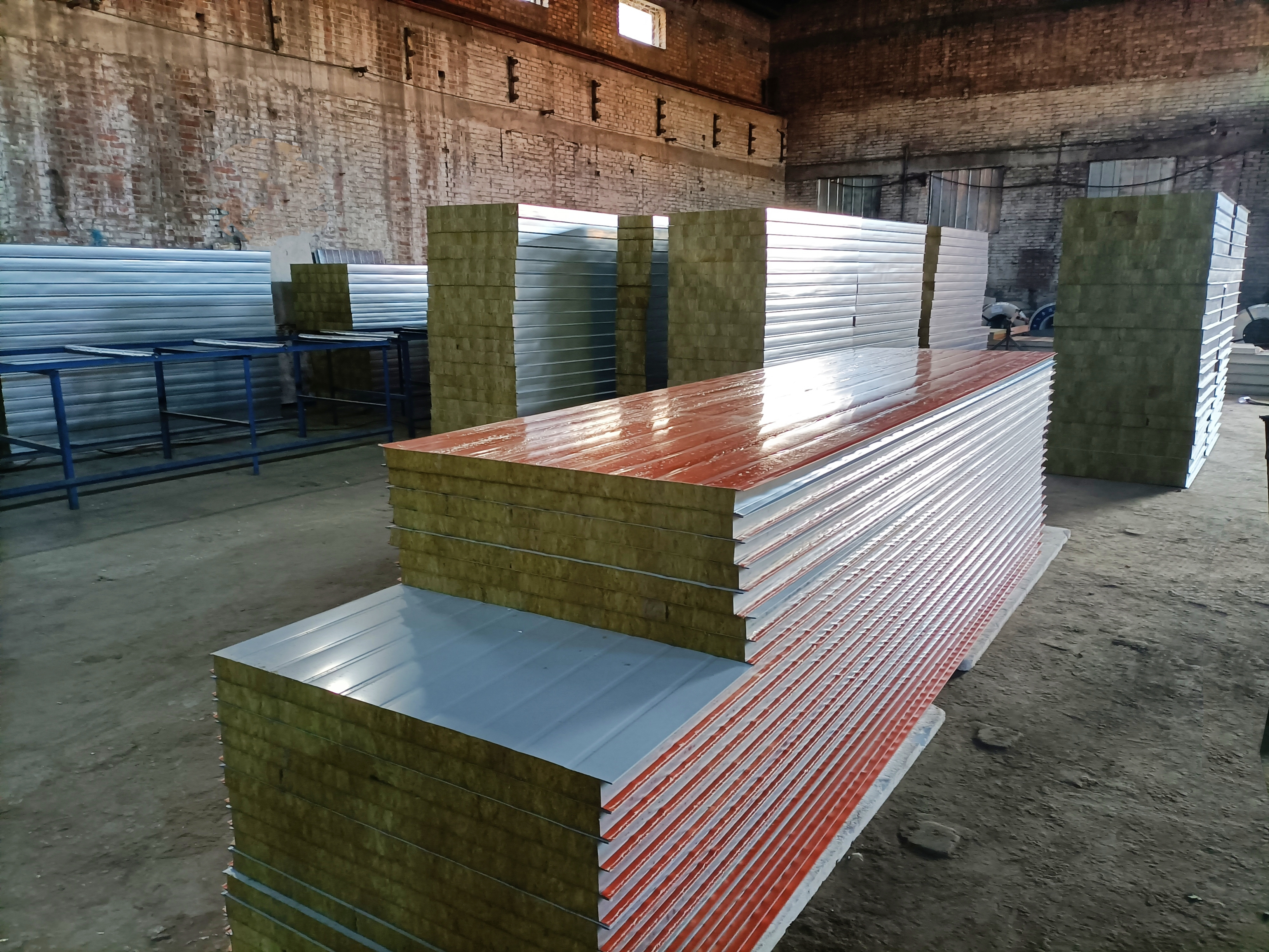
Rockwool panels, manufactured  from natural  stone  fibers, are  widely utilized in construction and  industrial applications for their excellent thermal insulation properties,  fire  resistance, and soundproofing  capabilities. As a purchasing manager or project engineer,  you  may  have concerns regarding specifications, supplier reliability, and application suitability. This article  will provide you  with essential insights into rockwool  panel specifications, supplier  selection, key  applications, common issues, and the benefits of using these panels  in  your projects.


Why choose Xingyuanxing rockwool panel manufacturers

Our Products

Understanding Rockwool Panel Specifications for Your Projects

When selecting rockwool panels,  understanding their specifications is crucial for ensuring they meet  the requirements of  your project.  Key specifications include density, thickness, and thermal conductivity.

Density: This  affects not only the  insulation performance but also  the fire  resistance and sound absorption capabilities of the panels. A higher density typically indicates better soundproofing but may  also increase the weight and cost of the panels.

Thickness: The thickness of  the rockwool panel directly impacts its  thermal insulation value (R-value). A  thicker panel provides better insulation, which can lead to  energy savings in HVAC costs. However, it must  also fit  within the design constraints of  your building.

Thermal Conductivity: Measured in W/mK, this specification indicates how well the material conducts heat. Lower values  signify better insulation properties. For many applications, thermal conductivity values of 0.035 to 0.045 W/mK are typical for rockwool panels.

Fire Resistance: Rockwool panels are non-combustible, with a fire rating of A1 according to European standards. Ensure that the fire resistance aligns with the safety regulations of your project.

By comprehensively evaluating these specifications,  you can select the right rockwool panels that meet performance criteria and comply with safety regulations. Additionally, considering the appropriate Secondary steel structure can enhance the overall integrity of your project.

Frequently Asked Questions

Our Blog Posts

What Our Partners Say

How to Choose Reliable Rockwool Panel Suppliers

How to Choose Reliable Rockwool Panel Suppliers

Choosing the right supplier is  vital to  ensure the quality and reliability  of  rockwool  panels. Here are some factors to consider:

Experience and Reputation: Look  for suppliers with a proven track record in manufacturing rockwool panels. A company like Tianjin Xingyuanxing Color Steel Structure Co., Ltd., with 10 years  of experience in the  Beijing-Tianjin-Hebei region,  can provide assurance of stability  and quality.

Quality Certifications: Verify if the supplier holds relevant certifications, such as ISO 9001, which reflects their  commitment to quality  management systems. This  can significantly influence the reliability of the products.

Manufacturing Capabilities: Assess the supplier’s production capacity and  capabilities. Suppliers should be able to produce panels in various sizes and densities to meet specific project requirements. Inquire about their customization options  to address unique project specifications.

Customer Support and Service: Reliable suppliers offer excellent customer service, including technical support and prompt responses to inquiries. A strong after-sales service  is a sign of a trustworthy supplier.

Samples and Testing: Request samples for evaluation  before placing bulk orders. Testing samples under actual operating conditions can help confirm  performance and suitability.

By focusing on these criteria,  you can ensure that you partner with a supplier  who meets your project’s quality and reliability needs. For instance, exploring options like Factory building of steel structure can also provide a solid foundation for your construction needs.

Key Applications of Rockwool Panels in Construction Projects

Key Applications of Rockwool Panels in Construction Projects

Rockwool panels are versatile and can be  applied in various construction  sectors:

Insulation: In  residential, commercial, and industrial buildings, rockwool panels are used for thermal insulation, helping to reduce energy  consumption and enhance comfort.

Fire Protection: Their non-combustible nature makes rockwool panels  ideal for fire-resistant barriers  in high-rise buildings,  tunnels, and  other structures requiring  stringent fire safety  measures.


Soundproofing: These panels are effective in minimizing sound transmission, making  them suitable for auditoriums, recording studios, and multi-family housing applications.

HVAC  Applications: Rockwool panels are used in ductwork and HVAC systems to enhance energy efficiency  and noise reduction.

Industrial Applications: In factories and warehouses, rockwool panels are utilized for  insulating  equipment  and machinery, providing thermal protection and  reducing noise pollution.

Understanding the various applications of rockwool  panels can help you make informed decisions about  their use in your projects.

Common Problems with Rockwool Panels and Their Solutions

Common Problems with Rockwool Panels and Their Solutions

While  rockwool panels offer numerous advantages,  they can  present challenges if not properly managed:

Moisture Absorption: Although rockwool is water-resistant, prolonged exposure to moisture can lead to mold growth. Ensure proper installation  and ventilation to prevent  moisture  buildup.

Installation Issues: Incorrect installation can compromise the insulation performance.  Employ trained professionals for installation and follow the manufacturer's  guidelines.

Dust Generation: During cutting or handling, rockwool can produce dust, which  may pose health risks. Use appropriate PPE (personal protective equipment)  and  ensure proper ventilation during  installation.

Cost Variations: Prices can fluctuate based on density, thickness, and customization. Always  request detailed  quotations and  consider long-term energy savings versus  initial costs.

By  being  aware of these common  issues and implementing preventive measures, you can enhance  the performance and longevity of rockwool panels in your projects.

Benefits of Rockwool Panels in Manufacturing

Rockwool panels  offer numerous benefits for manufacturing applications:

Energy Efficiency: The  excellent thermal insulation properties  of rockwool  panels can lead to significant  energy savings in heating  and cooling, reducing operational costs.

Fire Safety: Their non-combustible  nature ensures compliance with fire safety regulations, which is critical  in any manufacturing facility.

Sound Insulation: For manufacturing environments where noise reduction is essential, rockwool panels can help create quieter workspaces,  enhancing employee comfort and productivity.

Durability: Rockwool panels  are resistant to pests and  environmental factors, ensuring a long lifespan with minimal maintenance.

Sustainability: Made from natural stone,  rockwool panels are environmentally friendly and can contribute to green building certifications.

By leveraging these benefits, manufacturers can improve  their operational efficiency and ensure compliance with safety standards.

Understanding rockwool panel specifications, selecting reliable  suppliers,  recognizing key applications, addressing common issues, and appreciating the  benefits of these  panels can significantly enhance your decision-making process. When sourcing rockwool panels,  consider the  insights provided to ensure a successful procurement  experience.