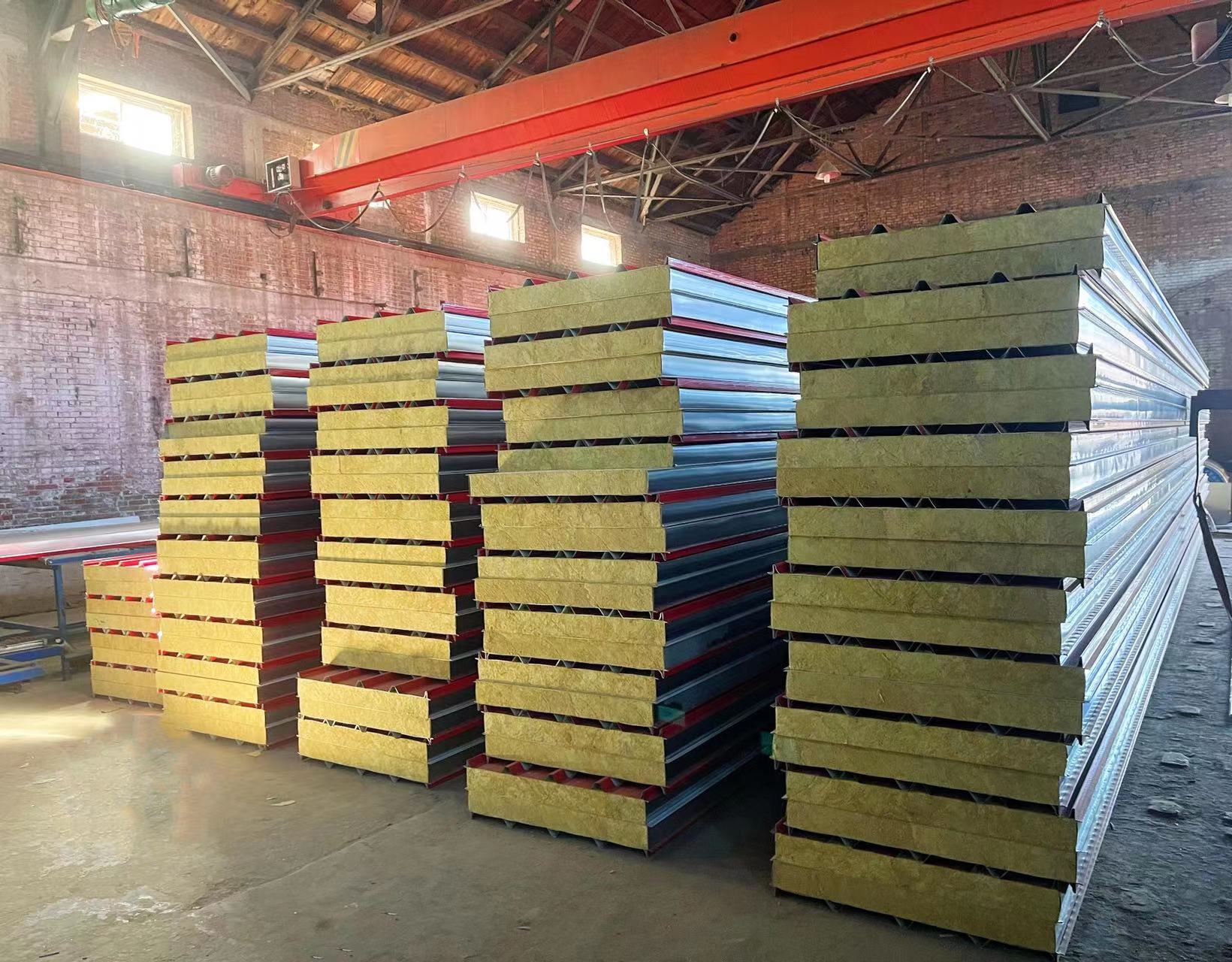
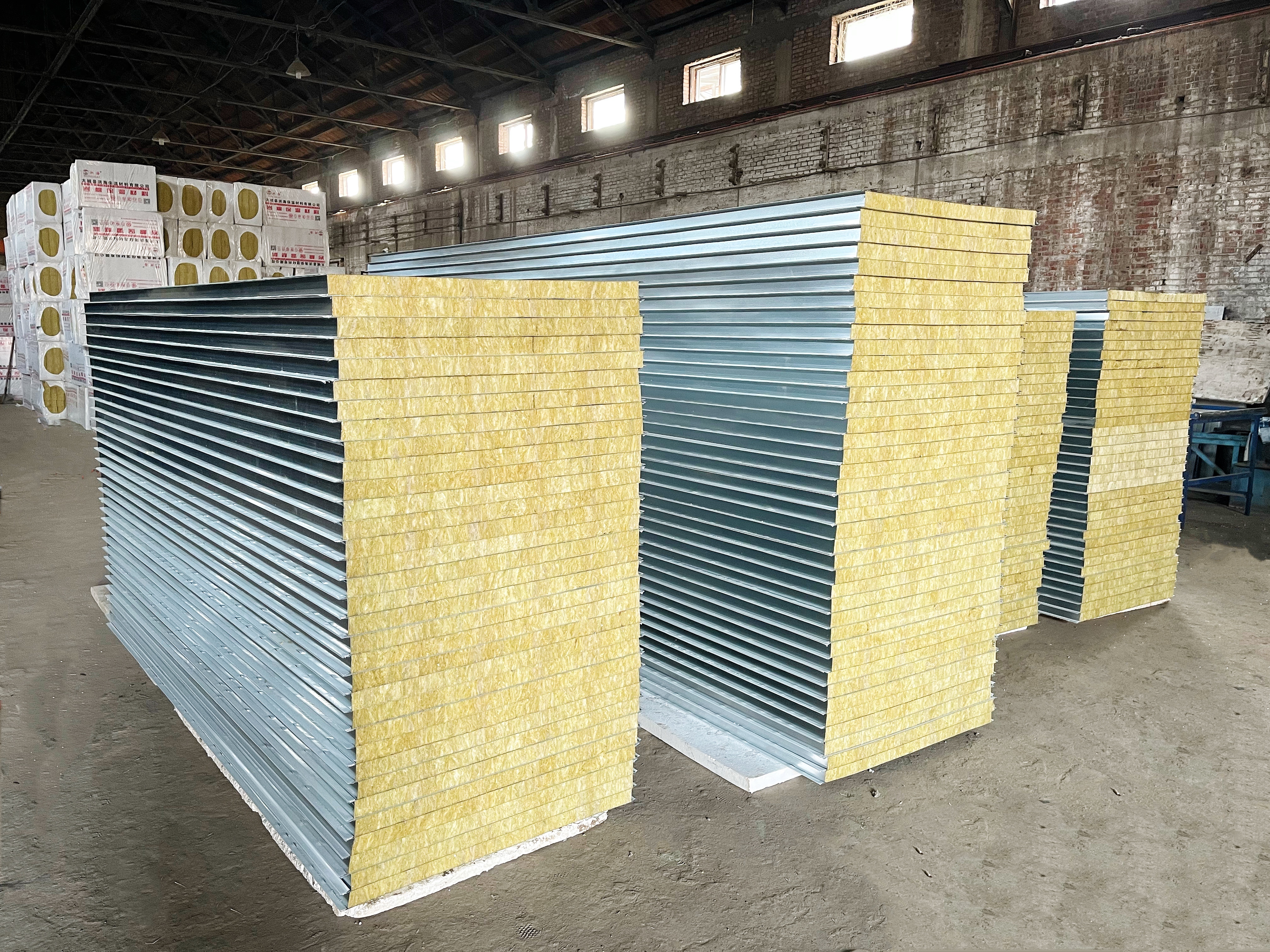
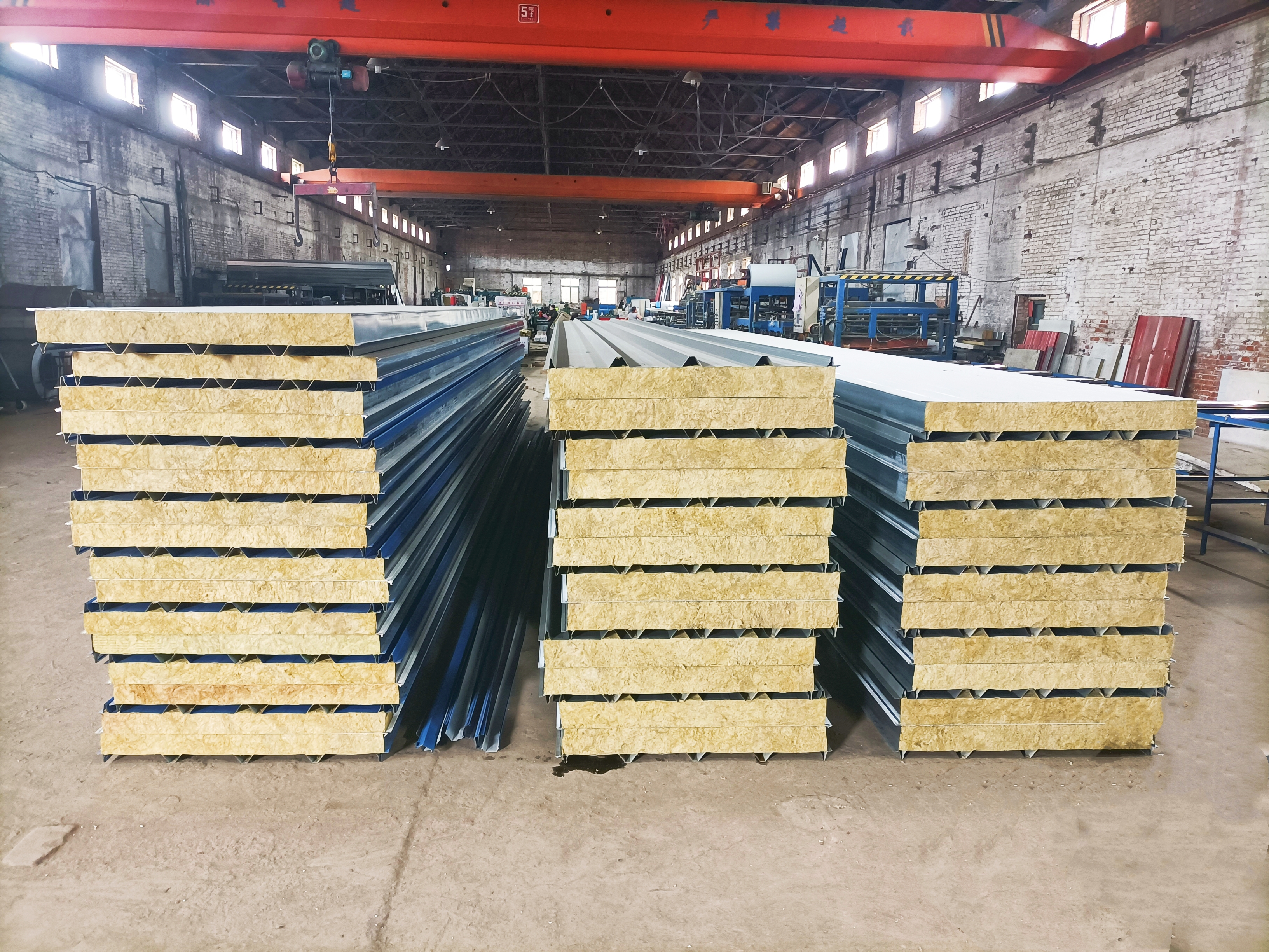
High-Quality Rockwool Acoustic Board Sourcing

application/rockwool-acoustic-board, application/rockwool-acoustic-board, 
Inquiry
Inquiry

rockwool acoustic board

Rockwool acoustic boards are essential  materials used in construction  and  manufacturing  to enhance soundproofing and noise control in  various environments. As a purchasing manager or engineer, understanding  the key specifications,  sourcing  options, and application benefits  of  rockwool  acoustic boards is  crucial for making informed decisions. This article will provide insights into sourcing high-quality rockwool  acoustic  boards at wholesale  prices, key specifications  for  bulk  purchases, their application  in soundproofing, cost factors to consider, and best practices  to follow.

Why choose Xingyuanxing rockwool acoustic board

Our Products

Where to Source High-Quality Rockwool Acoustic Board at Wholesale Prices

When sourcing rockwool acoustic boards, it’s essential to find reliable suppliers who can  provide  consistent quality and competitive pricing.  Look for manufacturers or distributors  with a proven track  record  in  the industry,  such as Tianjin Xingyuanxing Color Steel Structure Co., Ltd., which has over 10  years of experience in the Beijing-Tianjin-Hebei  region. Additionally, considering a factory building of steel structure approach may enhance your sourcing efficiency.

To ensure you're getting the best  price, consider sourcing directly from  manufacturers who offer bulk purchasing options. They often have lower overhead costs  than  resellers and can provide custom specifications  to  suit your project needs.  Additionally, verify that the supplier  has quality control processes in place, which can include certifications and testing protocols  to ensure the boards meet industry  standards.

Frequently Asked Questions

Our Blog Posts

What Our Partners Say

Key Specifications of Rockwool Acoustic Board for Bulk Purchases

Key Specifications of Rockwool Acoustic Board for Bulk Purchases

When evaluating rockwool acoustic boards for bulk  purchases, several key specifications  should be considered:

Density: The density of rockwool boards typically ranges from 30 to 200 kg/m³. Higher density boards generally provide better sound absorption but may also be heavier  and more expensive.

Thickness: Common thicknesses include 25mm, 50mm, and 100mm. The thickness affects both the  soundproofing  performance  and the installation requirements, making it crucial to choose the  right  thickness  based on the specific application.

Fire  Resistance: Rockwool  acoustic boards are often rated for fire resistance, with  many products achieving A1 or A2 ratings according to  European  standards. This characteristic is essential for compliance with safety regulations in commercial and industrial applications.

Acoustic Performance: Look for the Noise Reduction Coefficient (NRC) rating, which indicates how effectively the material absorbs sound. An NRC of  0.9 or higher  is considered excellent for soundproofing applications.

Moisture Resistance: Some rockwool boards are treated for additional moisture resistance, making them suitable for humid environments  such as kitchens or bathrooms.

Evaluating these specifications helps ensure that the selected rockwool acoustic board  meets the performance  requirements for  your specific project.

How Rockwool Acoustic Board Enhances Soundproofing in Various Applications

How Rockwool Acoustic Board Enhances Soundproofing in Various Applications

Rockwool acoustic boards are widely recognized for their sound absorption capabilities, making them ideal for various applications, including:

Commercial Spaces: In offices, conference rooms, and open-plan areas, rockwool  boards can significantly reduce noise levels, helping to create a comfortable working environment.  Their ability to absorb sound reduces echo and enhances speech clarity.

Industrial Settings: Factories and manufacturing facilities  often experience  high  noise levels that can affect employee productivity and safety. Installing rockwool acoustic boards can mitigate noise pollution, ensuring compliance with occupational safety standards.

Residential Projects: For home  theaters, music studios,  or  simply for improved  comfort in living spaces,  rockwool boards provide effective soundproofing solutions. They can  be  installed in walls, ceilings, and floors to create quieter environments.

Specialized Applications: Rockwool boards are also used in specialized applications such as cinema soundproofing, recording  studios, and broadcast facilities due to their  superior acoustic properties.


Understanding the application benefits of  rockwool acoustic boards can help buyers  make  informed decisions based on  their  specific soundproofing needs. For instance, integrating a well-designed wall system can further enhance the acoustic performance.

Cost Factors to Consider When Buying Rockwool Acoustic Board in Bulk

Cost Factors to Consider When Buying Rockwool Acoustic Board in Bulk

When purchasing rockwool  acoustic boards in bulk, several cost factors should be  considered:

Material Costs: The quality and density of the rockwool affect the overall material cost. Higher density boards may provide better acoustic performance but can also  increase the price.

Shipping and  Handling: Bulk purchases may incur  additional shipping costs, especially for heavier products. Be sure  to  factor in these costs when comparing suppliers.

Minimum Order Quantities (MOQ): Some suppliers may have MOQs that impact your total expenditure. Understanding these requirements  can help you evaluate whether to consolidate orders or source from multiple suppliers.

Lead Time: Consider the lead time for production and shipping when  calculating costs. Longer lead times may disrupt  project schedules, so ensure that suppliers can meet your  timelines.

Installation Costs: Depending  on the thickness  and weight of the boards, installation costs may  vary.  Ensure that  your budget accounts for potential labor costs associated with  installation.


By analyzing these cost factors, buyers can  better assess their total investment in rockwool acoustic  boards and make more strategic purchasing decisions.

Best Practices to Follow

To maximize  the effectiveness and  efficiency of your rockwool acoustic board purchase, consider these best practices:

Request  Samples: Before  committing to a bulk order, request samples to evaluate the material's performance under actual conditions. This helps ensure the product meets your needs in terms of acoustic performance and aesthetics.

Confirm Specifications: Ensure that all specifications, including density, thickness, and fire resistance ratings, are clearly outlined in any agreements. This minimizes the risk of receiving incorrect products.

Evaluate Supplier Reliability: Research potential suppliers  by  checking customer reviews and  case studies. A supplier with a strong reputation for quality  and service can provide peace of mind.

Plan for Installation: Consider  how the rockwool boards will be installed in your project. Proper installation is crucial to achieving the desired acoustic performance,  so factor in any necessary training or  resources for your team.

Review  Quality Assurance  Processes: Inquire about the quality control measures  the  supplier employs. A robust quality assurance process can help  prevent issues such as defects or inconsistencies in the product.

By adhering to these best practices, buyers can enhance their purchasing experience and ensure that their  investment in rockwool acoustic boards  yields the desired results.

In summary, rockwool acoustic boards are  valuable materials for soundproofing applications in various industries. By understanding where to source high-quality boards, key specifications to consider, and best practices for purchasing,  buyers can make informed decisions that align with their project's needs.