Curved Roofing Sheets Price and Sourcing Guide

application/curved-roofing-sheets-price, application/curved-roofing-sheets-price, 
Inquiry
Inquiry

curved roofing sheets price

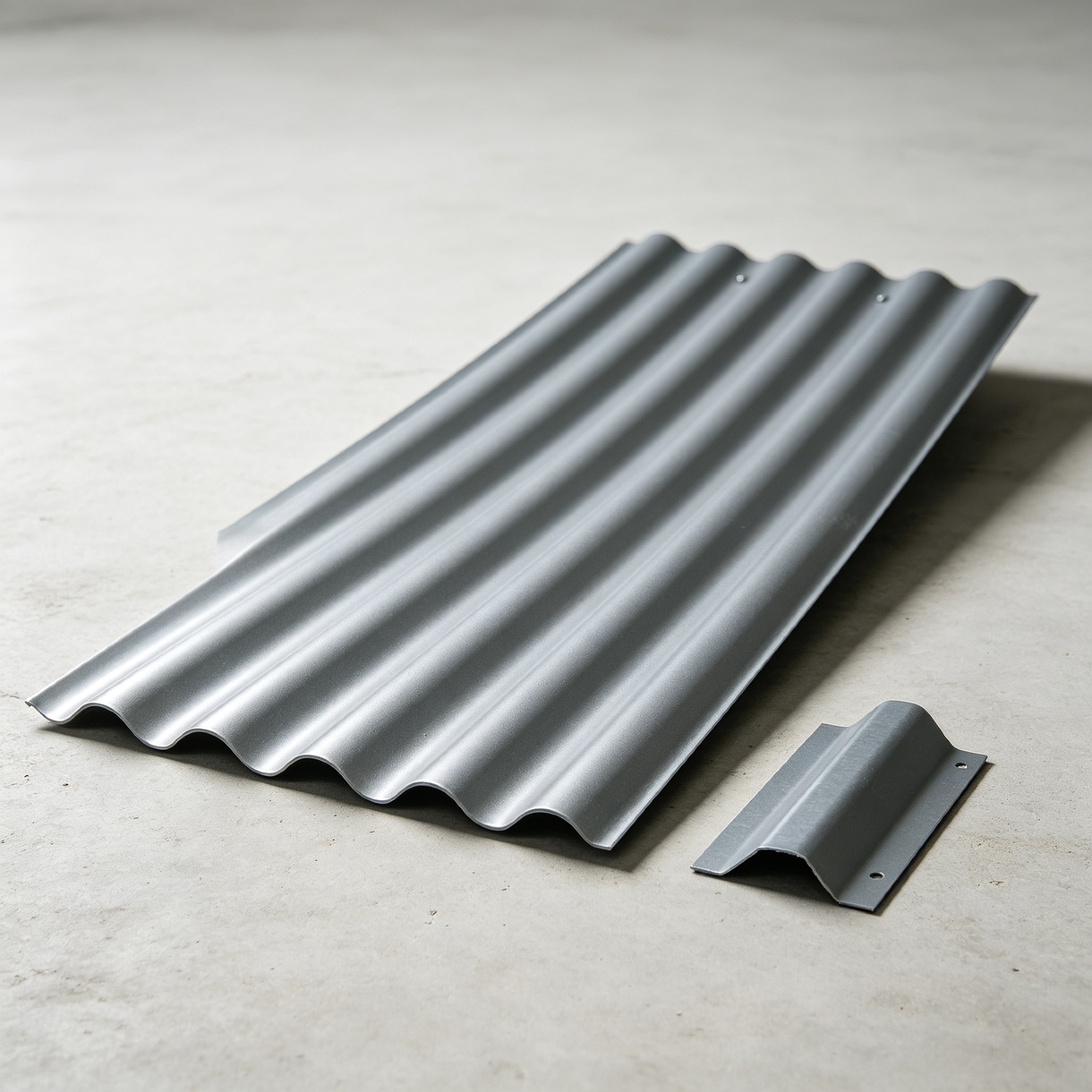
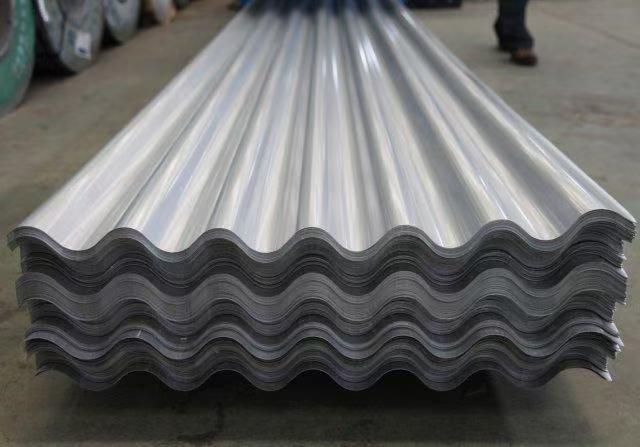
Curved roofing sheets are  specialized  building materials designed for  various construction  applications, offering both aesthetic appeal and  functional  advantages. Understanding the  factors affecting curved roofing sheets price, including  material selection, manufacturing  processes, and supplier  reliability, is  crucial for purchasing managers, engineers, and project managers. This article will help  you navigate the complexities of  selecting and  sourcing curved  roofing sheets,  ensuring  you  make informed  decisions  that align with your project requirements.

Why choose Xingyuanxing curved roofing sheets price

Our Products

Wholesale Pricing Options for Curved Roofing Sheets Explained

When considering  the  purchase of curved roofing sheets, it’s essential to understand the  factors influencing wholesale pricing. Prices can vary significantly based on several elements, including material type, sheet thickness, dimensions, and customization requirements.

Material Selection: The choice of materials—such as galvanized steel,  aluminum,  or color-coated options—can heavily impact  cost. For instance, galvanized steel tends to be more affordable than aluminum, but the latter may offer better  corrosion resistance and a longer lifespan.

Manufacturing Processes: The complexity of the  manufacturing process will also  affect prices. Custom shapes or sizes may require specialized equipment and  increased labor, leading to  higher costs. Conversely,  standard sizes  and designs typically  benefit from economies  of  scale, which can lower the price per unit.


Volume Discounts: Many suppliers offer tiered pricing based on order quantities. Understanding your project's  needs and potential for future orders can help negotiate better rates. Always  inquire about minimum order quantities (MOQ) and bulk purchasing options.

By grasping these pricing dynamics, buyers can better assess costs and budget  appropriately for their projects.

Frequently Asked Questions

Our Blog Posts

What Our Partners Say

Related product categories

Key Specifications for Quality Curved Roofing Sheets You Should Know

Key Specifications for Quality Curved Roofing Sheets You Should Know

To ensure  the  performance and longevity of curved roofing sheets, several key specifications should be carefully evaluated:

Thickness: Sheet thickness is a  vital parameter affecting durability and load-bearing capacity. Thicker sheets can withstand harsher weather conditions and physical stresses, making them suitable  for industrial applications.  Standard  thicknesses range from 0.4mm to 1.2mm, with thicker options available for specific needs.

Dimensions: Curved roofing sheets come in various lengths and radii. Ensure that the dimensions match your project specifications, as incorrect  sizing  can lead to installation issues and increased waste.

Coating and Finishing: The  type of coating applied can affect both appearance  and durability. For instance, color-coated options not only enhance aesthetic  appeal but also provide additional protection against corrosion. Consider the local climate  and environmental exposure when selecting coatings.

Performance  Standards:  Familiarize yourself with relevant performance standards and certifications, such as ASTM or  EN  standards, to ensure that  the sheets meet necessary quality requirements.

By paying attention to  these specifications, buyers  can select curved roofing sheets  that align with their project requirements and performance expectations.

Where to Source Reliable Curved Roofing Sheets Suppliers

Where to Source Reliable Curved Roofing Sheets Suppliers

Finding a trustworthy  supplier is crucial for ensuring consistent quality and timely delivery of curved roofing sheets. Here are some strategies  to  consider:


Industry Research: Start by researching manufacturers and  distributors with a  solid reputation in the steel and building materials industry. Look for companies that specialize in color steel and have experience in your specific geographical area, such as  the  Beijing-Tianjin-Hebei region.

Supplier Evaluations: Conduct thorough evaluations of potential suppliers by reviewing  customer testimonials, product samples, and certifications. It’s advisable to request references from previous clients to  gauge  their satisfaction  and  the supplier's reliability.

Trade Shows and Industry Events: Attend industry trade shows where manufacturers showcase their products. This is an effective way to meet potential suppliers,  assess product  quality in person, and discuss specific project requirements directly.


Online Marketplaces: While online platforms  can offer a  wide range of suppliers, always verify their credibility through reviews and ratings. Establish  direct communication  to discuss pricing, lead times, and customization options.

By employing these strategies, buyers can identify reliable suppliers who can meet their quality and service expectations.

Best Practices

Best Practices

To ensure a smooth purchasing experience for curved roofing sheets, consider the following best  practices:

Request Detailed Quotations: When reaching out to suppliers, provide  comprehensive details about the required sheets, including dimensions, material, quantity, and any specific performance or  aesthetic  requirements. This will enable suppliers to give  accurate quotes and avoid misunderstandings.

Sample Approval:  Before committing to  a large order, request samples of the  curved roofing  sheets. Inspect the samples for  quality, appearance, and dimensions  to ensure they meet your expectations. Testing under  actual  operating conditions is recommended to confirm performance.

Quality Control Processes: Inquire about the  supplier’s quality control measures.  Understanding their inspection processes  and certifications can  provide confidence in the products' reliability and compliance with industry standards.

Communication: Maintain open lines of communication with the supplier throughout  the order process. This includes updates on production schedules, potential delays, and delivery  logistics.

By following  these best practices, buyers can minimize risks and ensure a successful procurement process.

Applications of Curved Roofing Sheets in Modern Construction Projects

Curved roofing sheets have a wide range of applications in modern construction, making them a versatile choice for  various building  types. Here are some common uses:

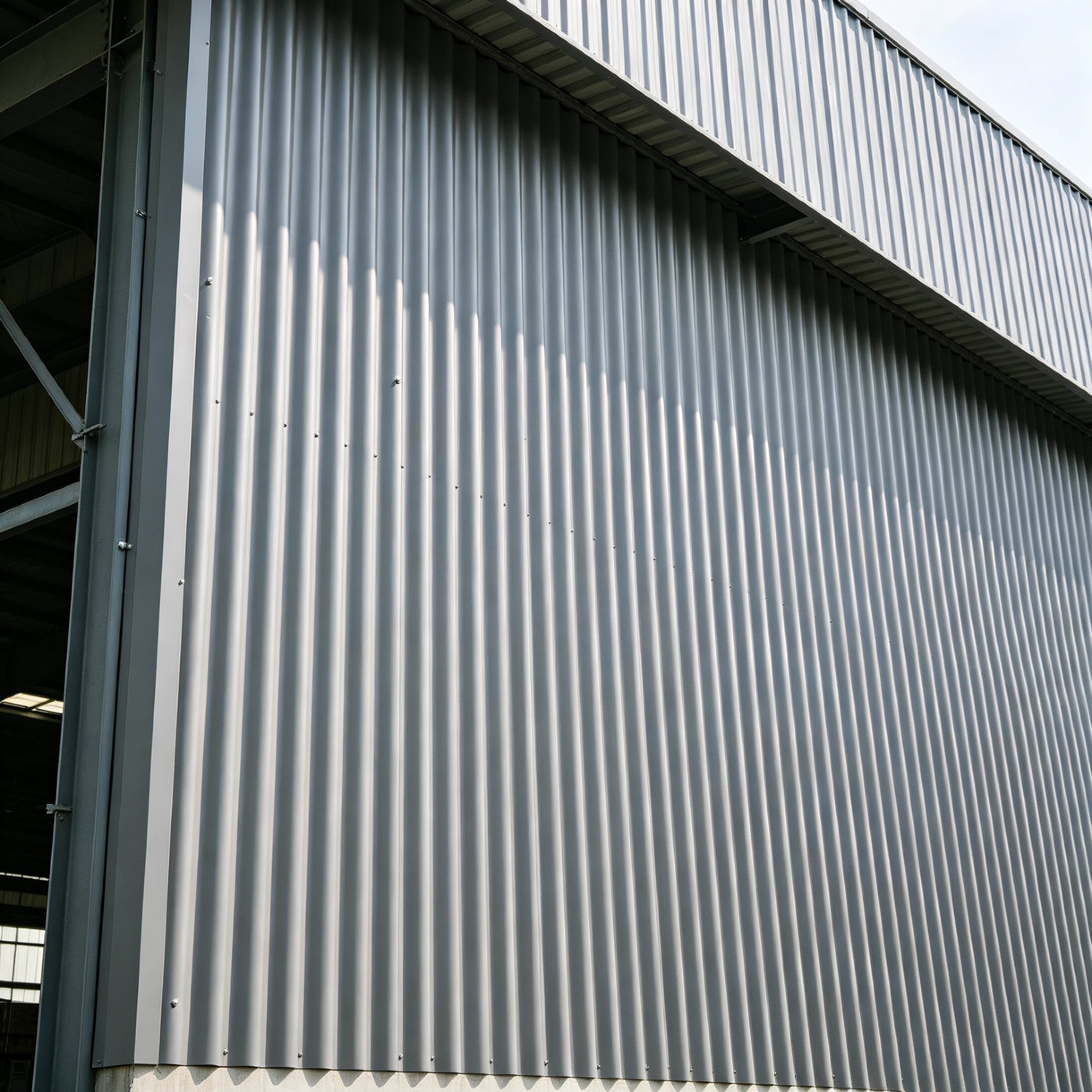
Commercial Buildings: Curved roofing sheets are often used in commercial structures, such  as warehouses and retail spaces, where aesthetic appeal  and functionality are key. Their ability to  create visually striking designs can enhance the overall architectural style.

Industrial Facilities: In industrial settings,  curved  roofing sheets provide essential protection from environmental elements while maintaining structural integrity. Their durability makes them  ideal for factories, storage  facilities, and manufacturing plants.

Agricultural Structures: These sheets are  also widely utilized in agricultural buildings, such as  barns and greenhouses. Their  ability to  effectively manage rainwater runoff and resist  corrosion is critical in agricultural environments. For agricultural applications, corrosion-resistant materials are particularly beneficial.

Residential Projects: Increasingly, architects and builders are incorporating curved  roofing sheets in residential designs, especially for modern homes and extensions. The unique shape can create distinct visual features and improve energy efficiency.

Understanding these applications can help buyers  select the most  suitable  curved roofing sheets  for their  specific project needs, ensuring both functionality and aesthetic appeal.