Understanding Corrugated Sheet Prices for Buyers

application/corrugated-sheet-price, application/corrugated-sheet-price, 
Inquiry
Inquiry

corrugated sheet price

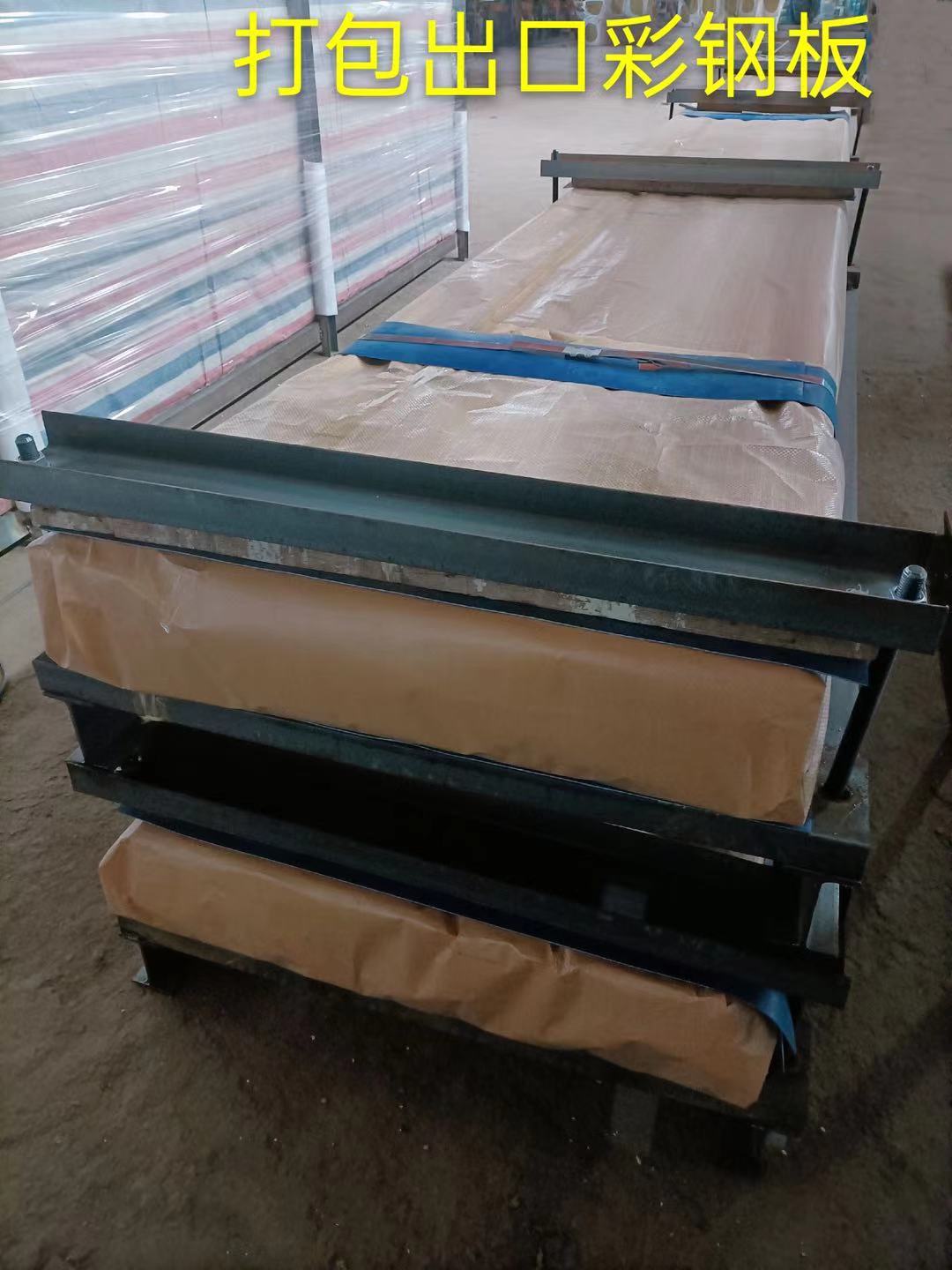
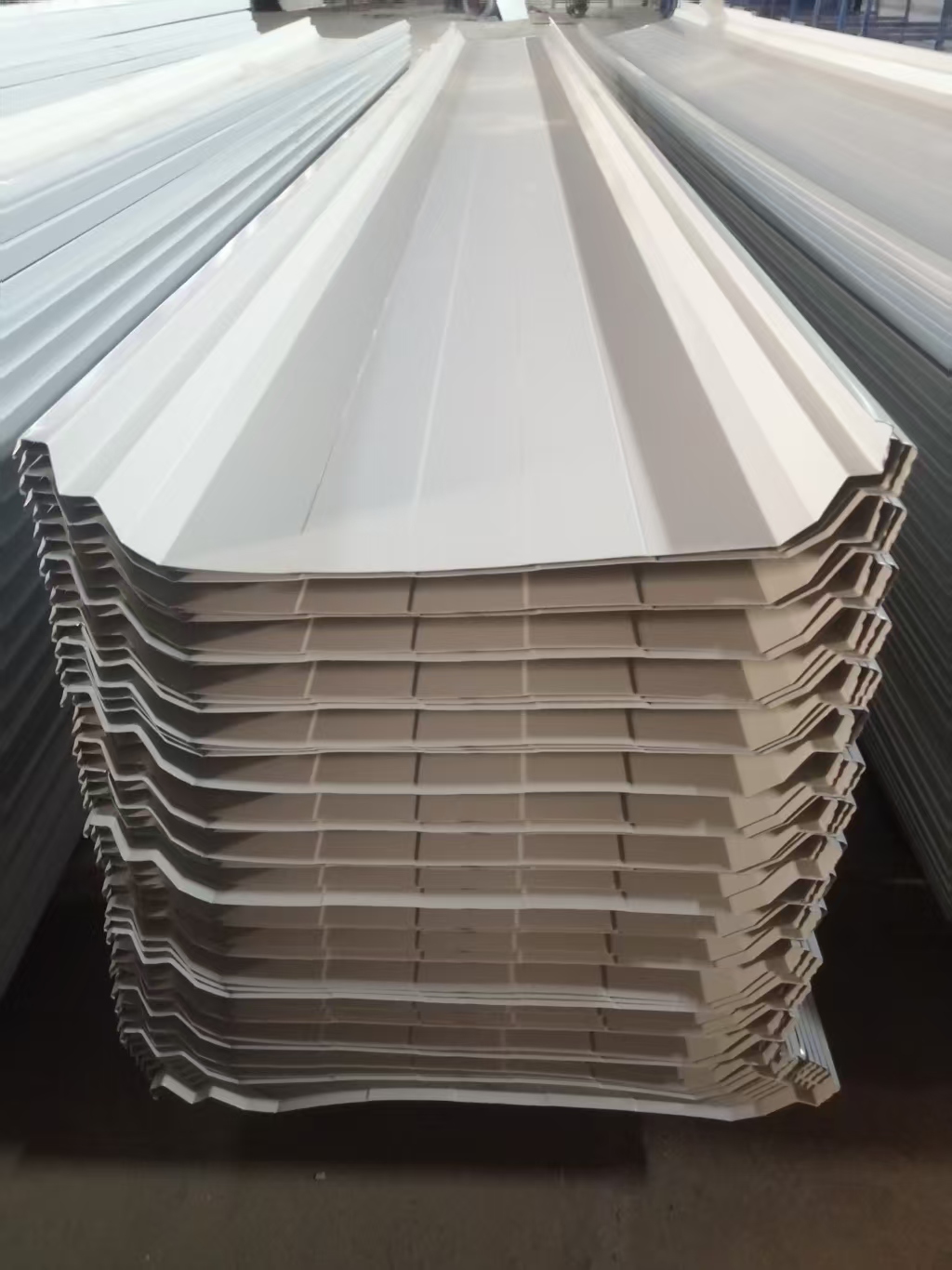
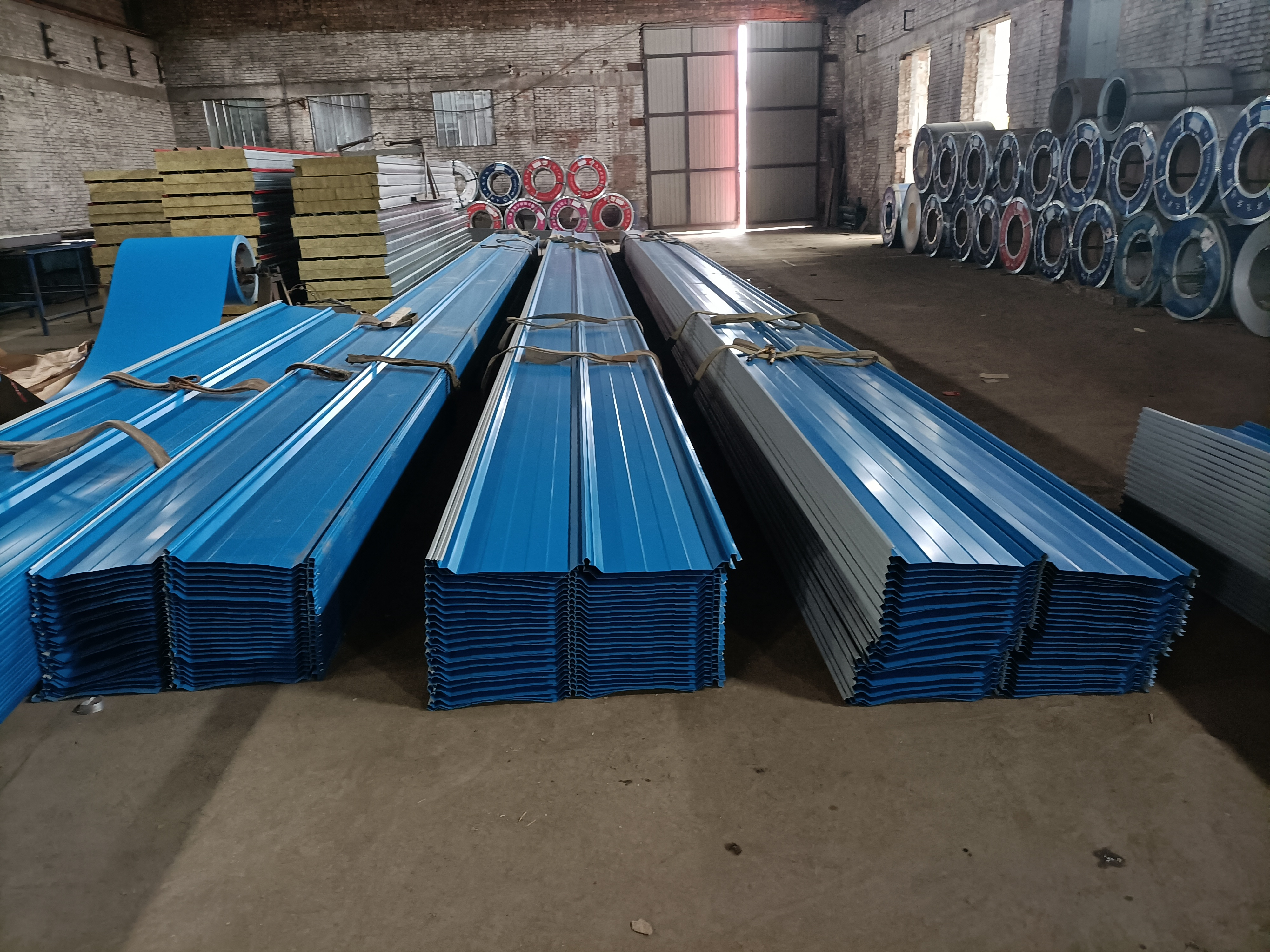
Corrugated  sheets are versatile building materials widely  used  in construction and manufacturing due  to their  strength, lightweight  nature, and  cost-effectiveness. Understanding the corrugated sheet  price and the factors influencing it is  crucial  for B2B buyers,  including purchasing  managers  and distributors, who  are looking for reliable sources. This article will guide  you through  selecting a corrugated sheet supplier, offer insights for distributors  and contractors, highlight  key buyer considerations, discuss cost factors, and explain  why corrugated sheets are ideal for various applications.


Why choose Xingyuanxing corrugated sheet price

Our Products

How to Choose the Right Corrugated Sheet Supplier for Your Projects

Selecting a corrugated sheet supplier requires careful consideration of several  factors. First, assess the supplier's manufacturing capabilities and quality  control processes. A reputable supplier should have a proven track record in producing corrugated sheets that meet industry standards.  Check for certifications that indicate compliance with safety and quality regulations.

Next, consider the supplier's  experience in your specific market. For instance, Tianjin Xingyuanxing Color Steel Structure Co., Ltd. has over 10 years of  experience in the Beijing-Tianjin-Hebei  region, which reflects their understanding of local market needs and supply chain dynamics. It’s  beneficial to partner with suppliers who can demonstrate a deep  knowledge of material  properties and production techniques.

Additionally, inquire about  customization capabilities. Different  projects may  require specific dimensions or  materials,  and a supplier that can accommodate these needs  will  be more  valuable. Lastly, evaluate their customer service  and support.  A supplier that communicates effectively and provides timely assistance can help streamline  your project. For instance, they might offer various accessories to complement the corrugated sheets, which can enhance the overall project quality.

Frequently Asked Questions

Our Blog Posts

What Our Partners Say

What Buyers Need to Know

What Buyers Need to Know

Distributors and  contractors play a vital role in the supply chain of corrugated sheets.  To ensure a successful collaboration with suppliers,  consider the following  tips:

Understand Market  Demand: Stay updated on industry trends and customer preferences. Understanding what your clients need can help you negotiate better terms  and ensure you stock the right products.

Establish Clear Communication: Maintain open lines  of communication with your suppliers. Discuss lead times, stock  availability, and any potential delays. This transparency helps in planning and managing client expectations.

Evaluate Quality Regularly: Implement a robust quality inspection process for incoming shipments. Assess  the sheets for defects, dimensions, and material consistency to ensure they meet project  specifications.

Negotiate Terms: When ordering in bulk, negotiate pricing and  payment  terms. Understanding the factors that influence corrugated sheet  prices can give you leverage in  negotiations.


By implementing these strategies, distributors and contractors can enhance their partnerships  with suppliers,  ensuring  the timely delivery of quality products.

Where to Source Reliable Corrugated Sheets for Bulk Orders

Where to Source Reliable Corrugated Sheets for Bulk Orders

Before  purchasing corrugated sheets, buyers should be aware of several key factors:

Specifications: Identify the  required dimensions, thickness, and material  types. For example, galvanized steel is  commonly used  for its durability, while aluminum may be selected for  its lightweight properties.

Performance Requirements: Consider the  intended application of the sheets. Corrugated sheets used for roofing may require higher  strength to withstand environmental pressures, while those used for packaging may focus more on  lightweight characteristics.

Minimum Order Quantity (MOQ): Suppliers often have MOQs that can affect purchasing  decisions. Understanding  these limits can  help you plan  your inventory and budget effectively.

Lead Times: Production and  shipping times  can vary significantly. Always confirm lead times with suppliers to ensure they align with your project schedules.

Sample Approval: Before placing a bulk order, request  samples to evaluate the product's quality  and suitability for your  application. This step can prevent costly mistakes and ensure that the final product meets expectations.

By keeping these considerations in mind, buyers can make informed decisions  and secure  the best corrugated sheets for their projects.

Best Practices for Corrugated Sheets

Best Practices for Corrugated Sheets

The  price of corrugated sheets can  vary due to several factors.  Key considerations include:

Material Costs: The type of material  used directly impacts the price. For instance, sheets made from high-quality galvanized steel may be  more expensive than those made from lower-grade materials. Discuss material options with your supplier to ensure you select the most cost-effective solution  for your needs, including considering different wall systems that might suit your project.


Production Volume: Larger orders often result  in lower per-unit costs due to economies of scale. If your project allows for bulk purchasing, this can significantly reduce overall expenses.

Customization: Custom dimensions or  coatings can increase costs. Ensure that the benefits of customization align with your  project  requirements to justify  any additional expenses.

Transportation  and Logistics: Consider shipping costs, especially if sourcing from a  supplier located far from your project  site. Evaluate the total landed cost, which includes production, shipping, and any tariffs or duties.

Market Fluctuations: Be aware of market  trends that may influence prices, such as changes in raw material costs or  supply chain disruptions. Staying informed can help you anticipate price changes and make strategic purchasing decisions.


Understanding these factors will help you navigate the complexities of  pricing and ensure you secure the best value  for your investment in corrugated sheets.

Common Problems with Corrugated Sheets and Effective Solutions

Corrugated sheets  offer numerous advantages that make them an ideal choice for various applications:

Durability: Their robust structure  provides excellent resistance to weather and physical impacts, making them suitable for roofing, wall  cladding, and industrial applications.

Lightweight: The lightweight  nature of corrugated sheets simplifies  handling and installation, reducing labor costs and  improving project timelines.


Cost-Effectiveness: Compared to  traditional building  materials,  corrugated sheets often provide a more affordable alternative without compromising quality. This characteristic is particularly beneficial for large-scale projects, especially when considering a factory building of steel structure.

Versatility: Available in  a range of materials and finishes, corrugated sheets can be tailored to meet specific aesthetic and functional requirements, from industrial to commercial  applications.

Sustainability:  Many corrugated sheets  are made from recyclable materials, contributing to sustainable building practices. This aspect  can enhance your project’s environmental credentials.

By leveraging these advantages, businesses can  effectively  address diverse  construction  and manufacturing needs, making corrugated sheets a preferred  material choice in various sectors.