Wholesale Purchasing Options for Rockwool Soundproofing Solutions
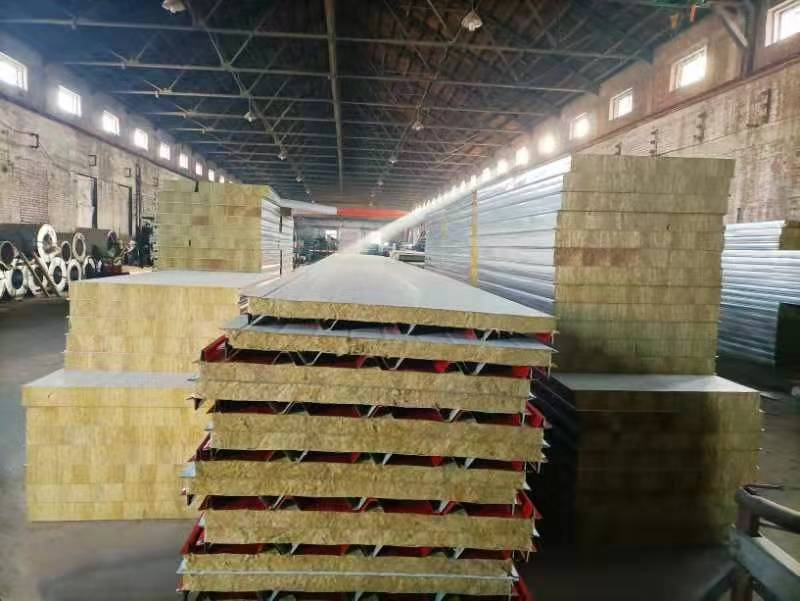
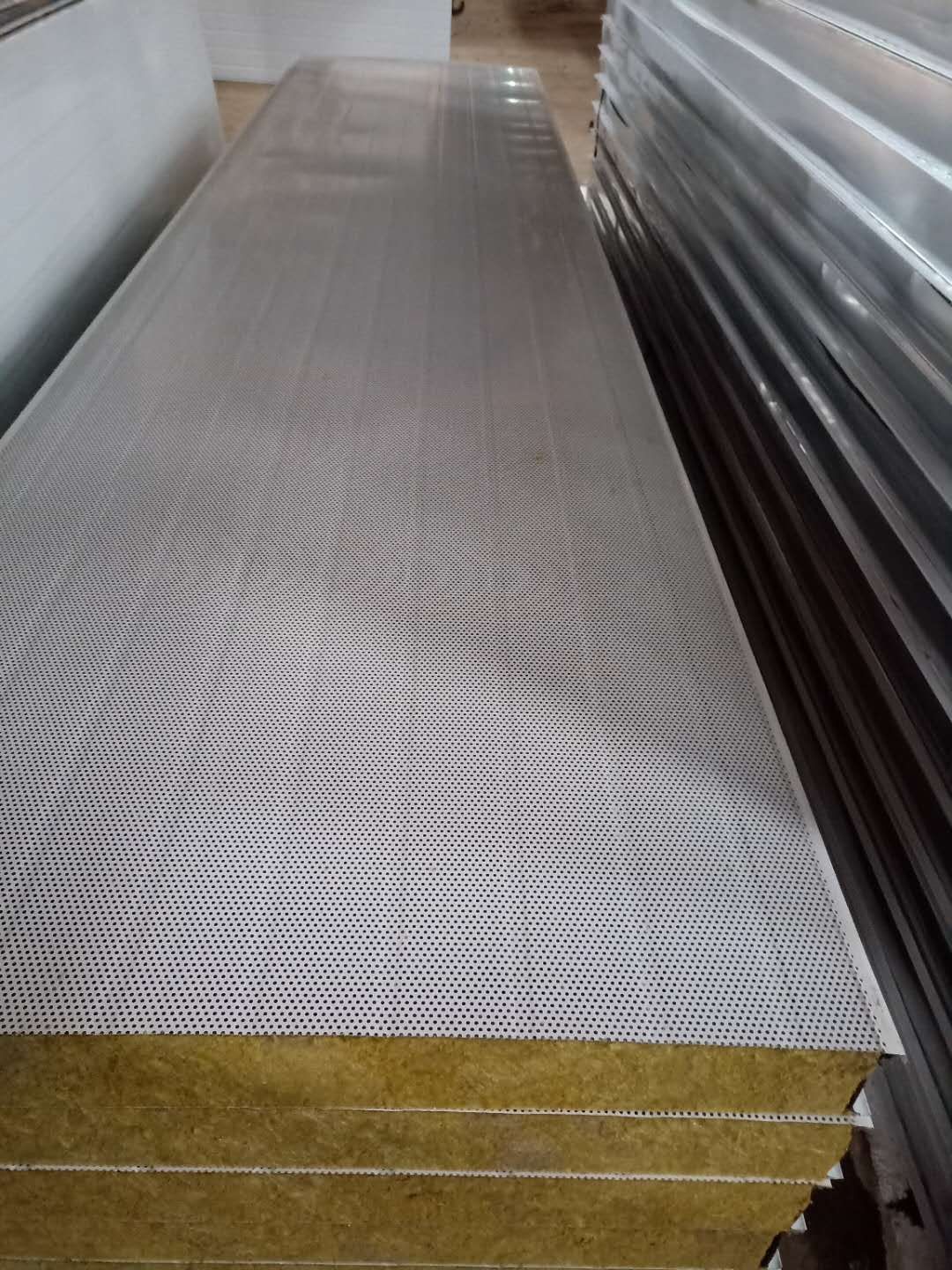
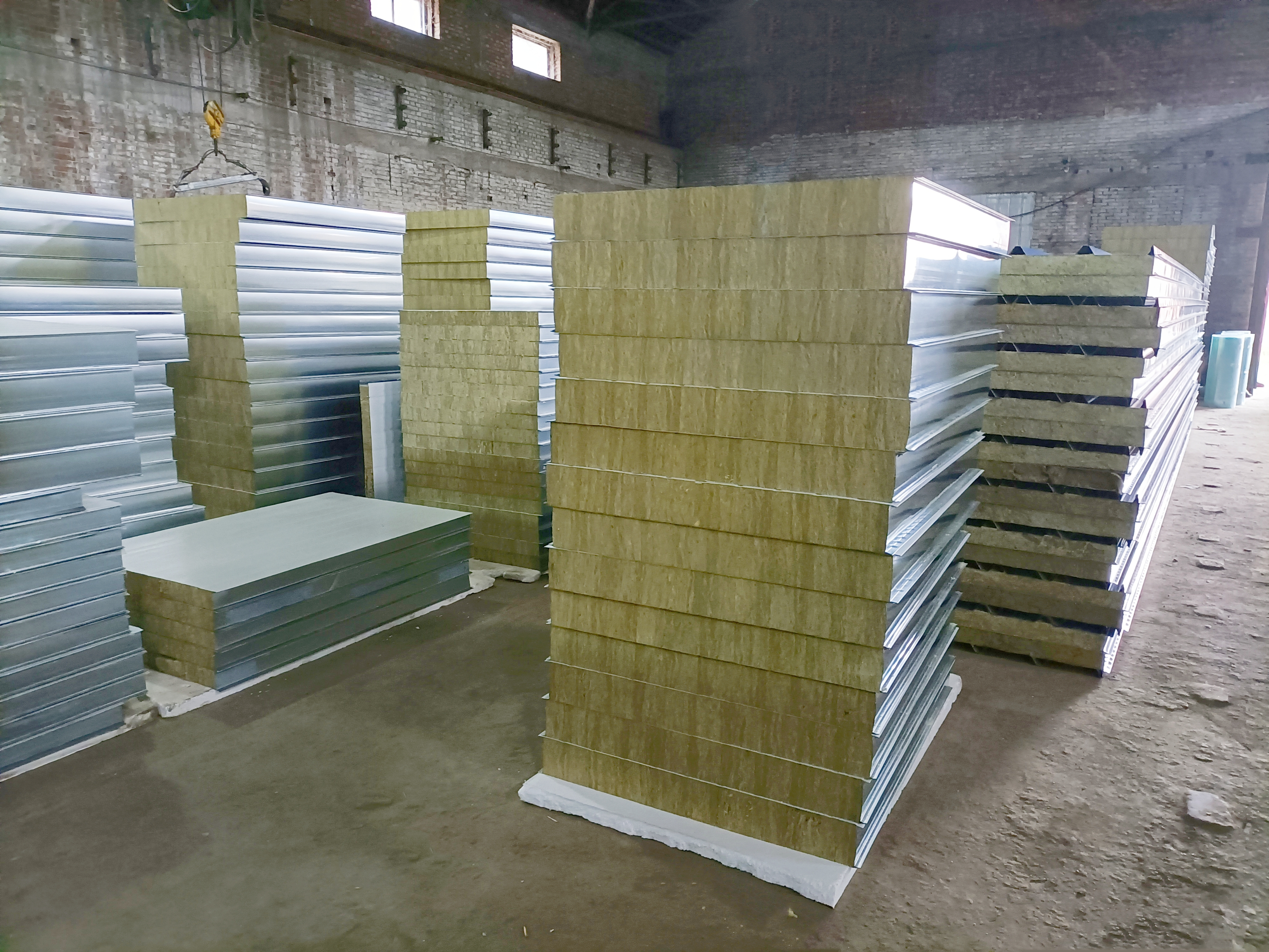
Understanding the specifications of rockwool soundproofing panels is crucial for making informed purchasing decisions. Key specifications to consider include:
Thickness: The thickness of the panels directly affects their sound absorption capabilities. Thicker panels typically provide better soundproofing, but the required thickness may vary depending on the application.
Density: Higher density rockwool panels tend to offer better sound insulation. Evaluate the density in relation to your specific soundproofing needs, as this can influence both performance and cost.
Fire Rating: Rockwool is inherently fire-resistant, but confirming the fire rating of the panels is essential, especially for industrial applications where fire safety is a priority.
Acoustic Performance: Look for panels with a high Noise Reduction Coefficient (NRC) rating, indicating their effectiveness in absorbing sound. The NRC value will help you determine how well the panels will perform in your specific environment.
Moisture Resistance: Depending on the installation location, moisture-resistant panels may be necessary to prevent mold and deterioration.
Carefully confirming these specifications based on your application will help ensure the panels meet your needs.
 EN