Choosing Rockwool Acoustic Panels for Your Project

application/rockwool-acoustic-panels, application/rockwool-acoustic-panels, 
Inquiry
Inquiry

rockwool acoustic panels

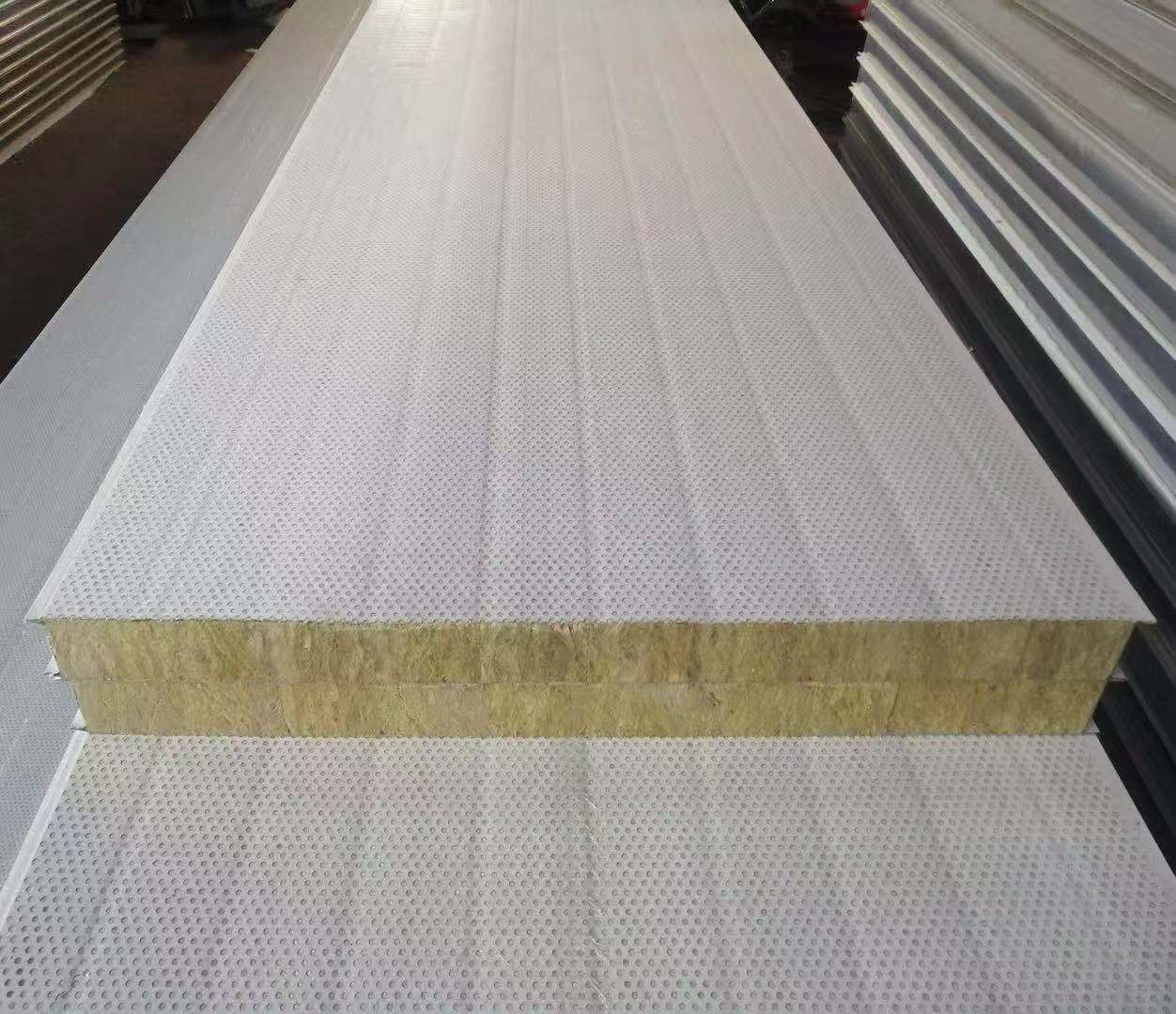
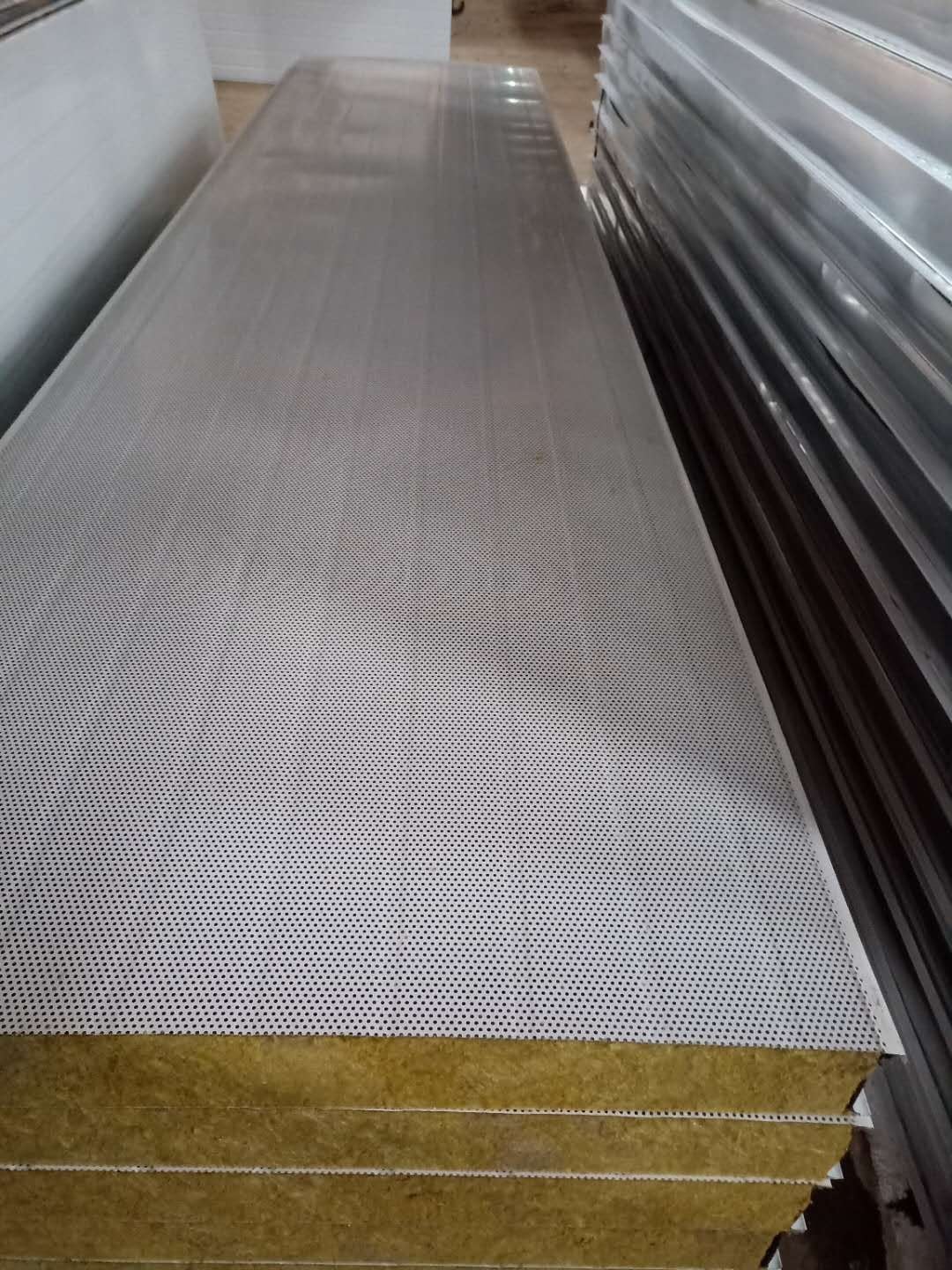
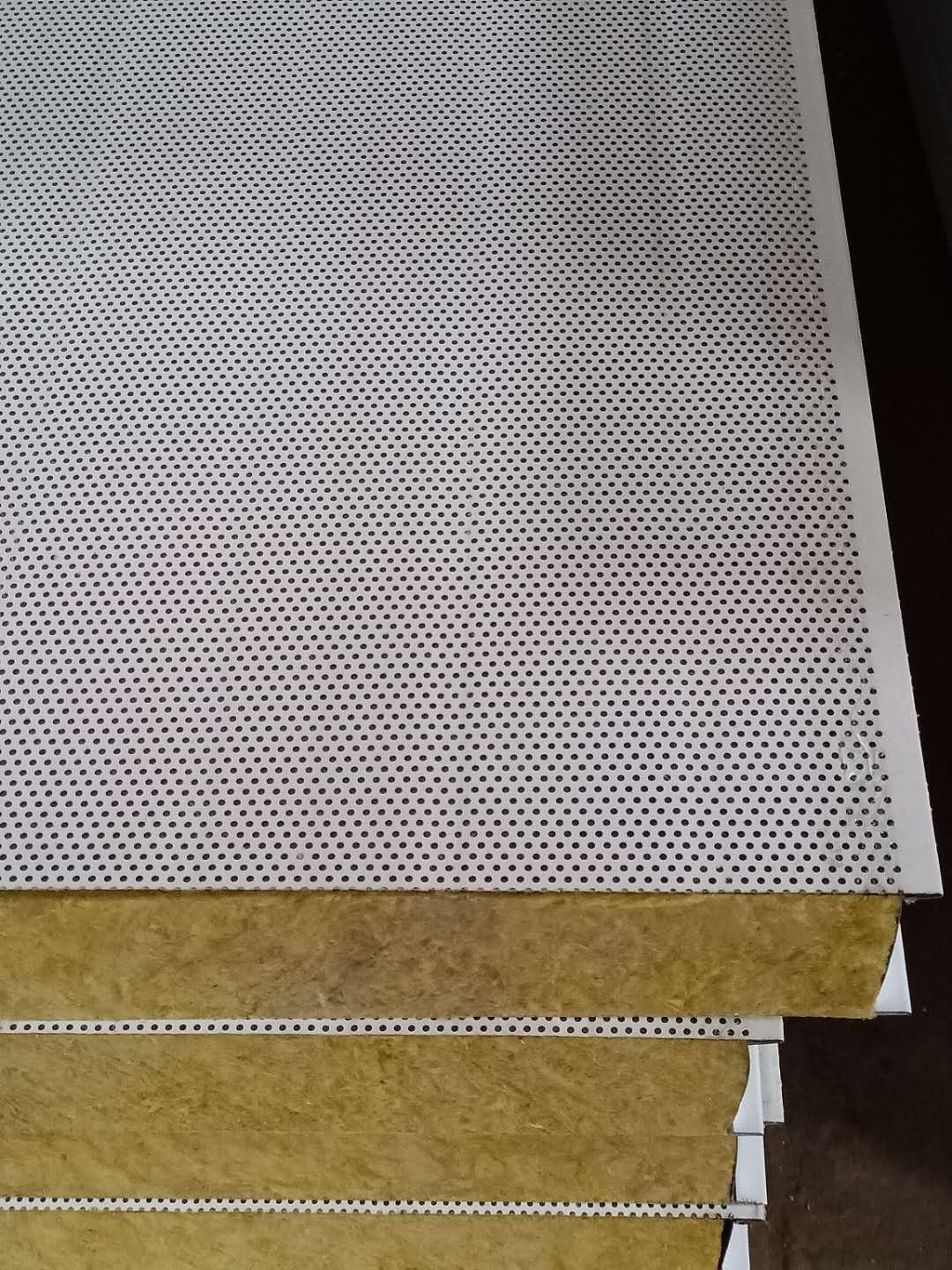
Rockwool  acoustic panels are specialized  building  materials designed to  enhance  sound absorption  in various environments.  For  B2B  buyers, understanding the  unique properties, specifications,  and  potential applications of these panels is essential for making  informed purchasing decisions. This  article will  help purchasing managers, engineers, and project managers navigate the complexities of selecting  the  right rockwool  acoustic panels for their  projects while addressing common concerns such as quality, installation, and  potential issues.

Why choose Xingyuanxing rockwool acoustic panels

Our Products

What to Consider When Choosing Rockwool Acoustic Panels for Your Projec

When selecting rockwool acoustic panels, buyers should consider several key factors to ensure optimal performance in their  intended environments.

Acoustic Performance:  The primary function of these panels is to absorb sound. Look for panels with a  high Noise Reduction Coefficient (NRC) rating, typically ranging from 0.70  to 1.00. A higher NRC indicates better sound absorption, which is crucial in spaces like offices, recording studios, and auditoriums where noise control is essential.

Thickness and Density: The thickness of rockwool panels generally impacts their acoustic performance. Thicker panels provide  better sound absorption at lower  frequencies. Additionally, higher density panels tend to offer improved durability and sound insulation, making them suitable  for a broader range of  applications. For those looking for structural support, consider using Factory Direct Q235B Angle Bar Steel With 90 Degree Right-Angle Structure.

Fire Resistance: Rockwool is inherently fire-resistant due to its mineral composition. Ensure  that the panels comply with local fire safety regulations, which may require specific fire ratings. This is particularly important in commercial buildings where safety  is  a primary concern.

Moisture  Resistance: In environments with high humidity or potential water exposure, selecting moisture-resistant  panels is vital. This helps prevent mold growth and degradation of the material over  time.

Aesthetics: Consider the  appearance  of the panels, as they  can be a  visible element of the interior design. Many manufacturers offer various finishes, colors, and textures to  complement different architectural  styles.

Frequently Asked Questions

Our Blog Posts

What Our Partners Say

Key Specifications of Rockwool Acoustic Panels for Bulk Purchase

Key Specifications of Rockwool Acoustic Panels for Bulk Purchase

When purchasing rockwool acoustic panels in bulk,  buyers should focus on the following specifications to ensure they meet project requirements effectively:

Dimensions: Standard  panel sizes are typically 2' x  4' or 2' x 2', but custom sizes can be manufactured to fit specific applications. Confirm the dimensions required for your project to avoid wastage.

Thickness:  Common thicknesses for rockwool  acoustic panels range from 1 inch to 2 inches. Thicker panels are better for low-frequency sound absorption, while thinner  panels may suffice for  high-frequency applications.

Density: Rockwool panels usually have densities between 40 kg/m³ to 120 kg/m³. Higher density panels offer superior  sound absorption and durability, making  them ideal for high-traffic  areas.


Surface Treatment: Some panels come with additional  surface  treatments or finishes to  enhance aesthetics  or improve  acoustic performance. Discuss available options during the  procurement process.

Packaging and Shipping: Understand the packaging  methods used  for bulk orders to ensure safe transport and storage. Panels should be  packaged to prevent damage and maintain their integrity.

Evaluating the Quality of Rockwool Acoustic Panels for Your Needs

Evaluating the Quality of Rockwool Acoustic Panels for Your Needs

Quality  assurance is critical when purchasing rockwool acoustic  panels. Buyers should consider the following:

Certifications: Look for  panels that meet industry standards and  certifications such as ISO  9001 for quality management systems and ISO 14001  for environmental management. These certifications indicate that the  manufacturer  adheres to recognized quality control processes.

Sample Approval: Before placing a bulk order, request samples to assess the acoustic performance, finish, and overall quality. Testing samples in the intended environment can provide insights into their effectiveness.

Manufacturing Capability: Understanding  the manufacturer’s  production capabilities can  give insights into their quality control processes. A company  with advanced production  equipment and a robust quality management system  is more likely to produce consistently  high-quality products.

Customer Reviews and Case Studies: Researching customer feedback and case studies related to the  manufacturer  can provide additional context about the product's performance  and reliability in  real-world  applications.

Installation Guidance for Rockwool Acoustic Panels in Commercial Spaces

Installation Guidance for Rockwool Acoustic Panels in Commercial Spaces

Proper installation  of rockwool acoustic panels is vital to achieving the desired acoustic performance. Here are some best practices:


Pre-Installation Assessment:  Conduct a thorough assessment of the installation area  to  identify any potential challenges. This  includes checking for existing structural elements, electrical wiring, and HVAC systems that may affect panel placement.


Mounting Options:  Panels can be installed using several methods, including direct  mounting, suspension systems, or wall brackets. Choose the method that best fits  your design and structural  requirements.

Spacing and Arrangement: The  arrangement of panels can influence their effectiveness. For optimal sound absorption,  distribute panels evenly across the surface  area, considering both  height  and width.

Professional  Installation: If the installation involves complex configurations or large quantities, hiring professional installers can ensure that panels are correctly  positioned and secured,  maximizing  their acoustic benefits.

Common Problems with Rockwool Acoustic Panels and Their Solutions

Like any building material, rockwool acoustic panels can present challenges. Here are some common issues and their  solutions:

Moisture Damage: If panels are exposed to excessive  moisture, they can deteriorate. To prevent this, ensure proper  environmental controls and  use  moisture-resistant panels in  humid  areas.

Installation Errors: Incorrect installation can  compromise the panels' effectiveness. To mitigate this, follow the manufacturer's installation guidelines closely and consider using professional services for complex setups.

Insufficient Sound Absorption: If the panels do not perform as expected, assess the  thickness,  density, and arrangement. In some cases, adding more panels or utilizing different thicknesses may enhance performance.

Aesthetic Issues:  Over time, panels may accumulate dust or discoloration.  Regular maintenance, including cleaning and periodic inspections, can help maintain their appearance and performance.

By  understanding the intricacies of rockwool acoustic panels, buyers can make informed decisions  that  enhance their projects' acoustic  performance and overall  quality. Whether  considering specifications,  installation, or potential problems, the right preparation can lead to successful outcomes in  commercial spaces.