Choosing the Right Prefab Steel Structure

application/prefab-steel-structure, application/prefab-steel-structure, 
Inquiry
Inquiry

prefab steel structure

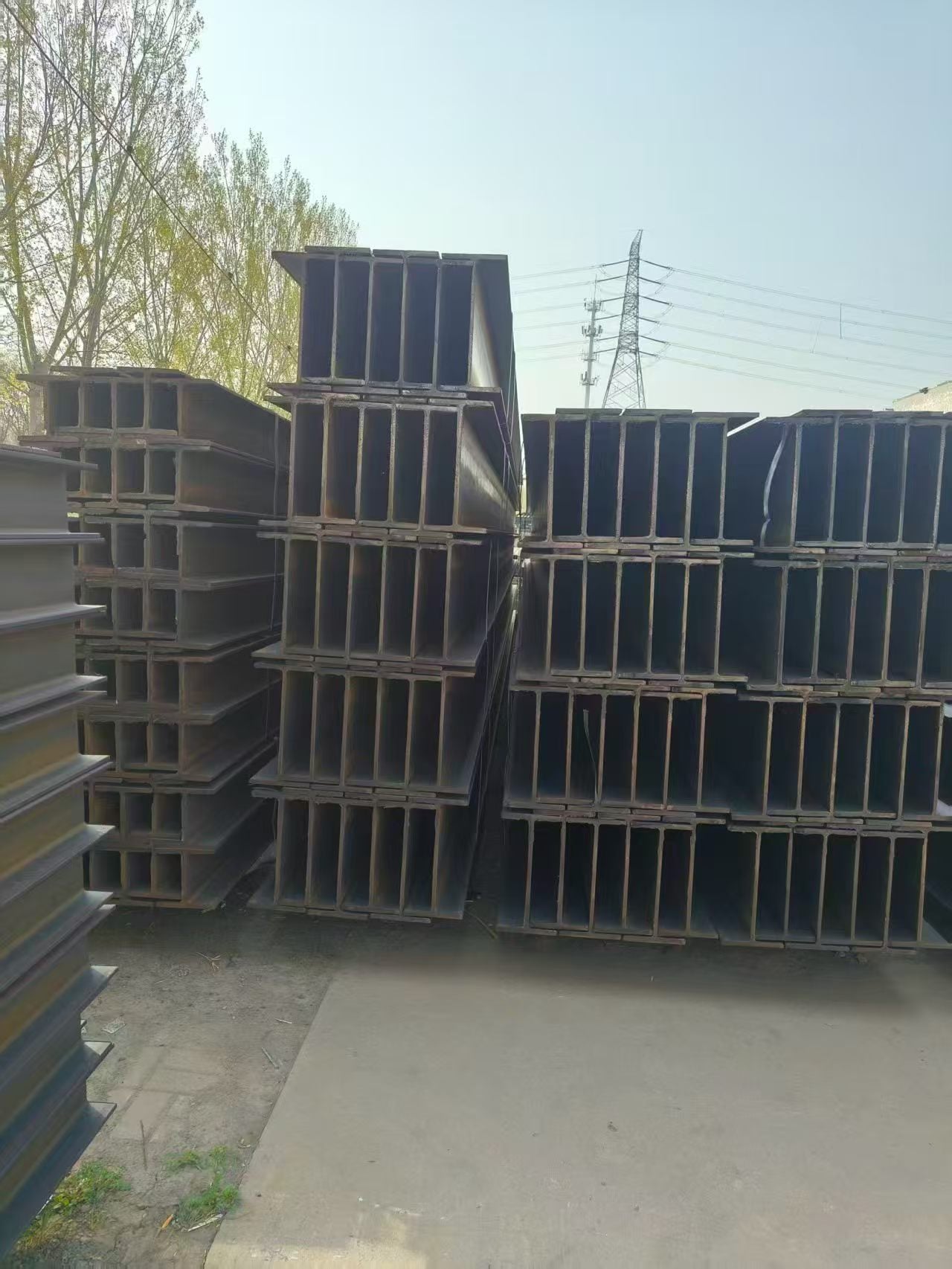
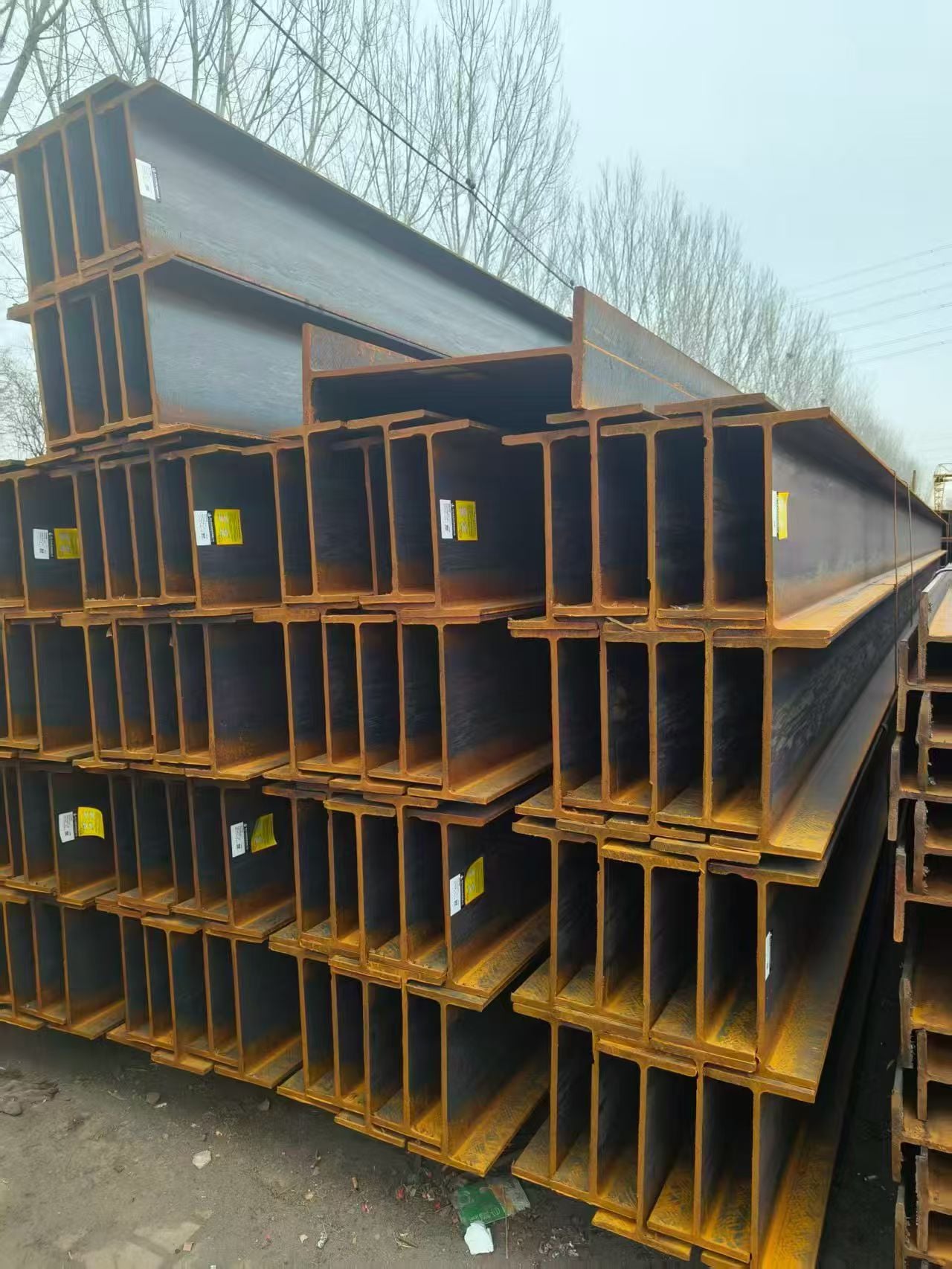
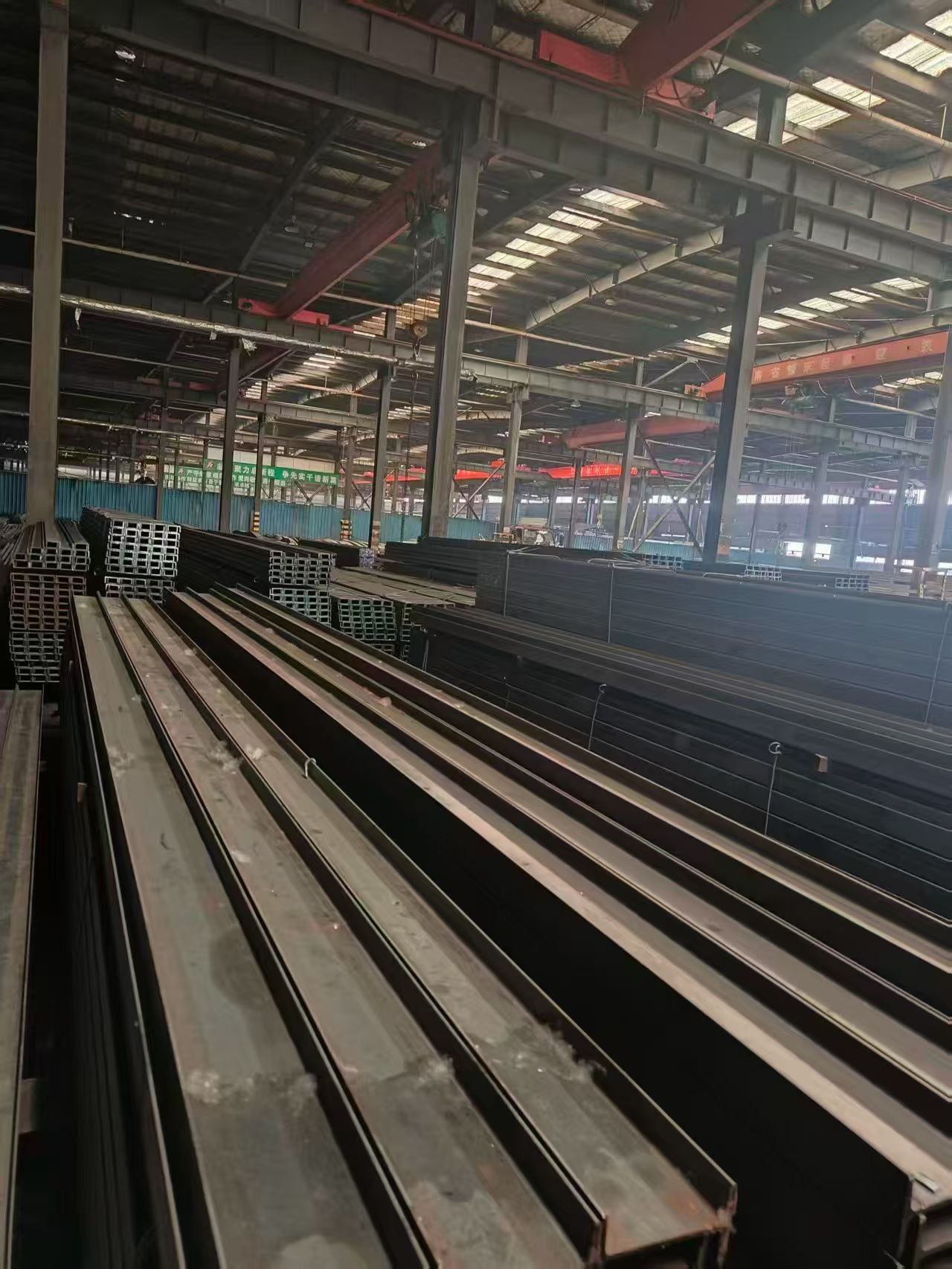
Prefab steel  structures are engineered frameworks made from steel that can  be pre-manufactured  and assembled quickly on-site. As  businesses look to optimize  costs and construction  timelines, understanding the benefits and specifications of prefab steel  structures becomes essential. Buyers often  seek  information regarding material  selection, installation  practices, and supplier  reliability. This article addresses these concerns, providing  insights  into selecting the right prefab  steel structure for your  project, key specifications  to consider, installation challenges,  sourcing suppliers, and the advantages  of using these structures in construction.

Why choose Xingyuanxing prefab steel structure

Our Products

How to Choose the Right Prefab Steel Structure for Your Projec

Selecting the appropriate prefab  steel structure begins with  a clear understanding of the project requirements. Consider the intended use of the structure—whether it's for warehousing, manufacturing,  commercial space, or another  application. Different types of builds may require specific design  features, such as load-bearing capabilities or insulation  properties.

Assess the  anticipated load  requirements, including live loads  (the weight of occupants and furniture)  and dead loads (the weight  of the structure  itself).  Ensure the design complies with local building codes and regulations. Additionally, consider the environmental conditions the structure will  face—this includes exposure to moisture, temperature fluctuations,  and potential corrosive  elements. For example, when planning for moisture exposure, you may want to consider a reliable Roof system to enhance durability.

Customization can also play a significant role in your  choice. Manufacturers like Tianjin  Xingyuanxing Color Steel Structure  Co., Ltd.  offer tailored solutions based on unique specifications, which can enhance the performance and longevity of your prefab steel structure.

Frequently Asked Questions

Our Blog Posts

What Our Partners Say

Key Specifications to Consider When Sourcing Prefab Steel Structures

Key Specifications to Consider When Sourcing Prefab Steel Structures

When sourcing  prefab steel structures, several key specifications should be carefully evaluated to ensure optimal performance:

Material Quality: Steel grades (such as Q235, Q345) are crucial as they define the tensile strength, yield strength,  and  durability of the  structure. Higher grades may offer better resistance to deformation under heavy loads.

Dimensions and Tolerances: Accurate dimensions are vital for a  proper fit during installation. Confirm  tolerances for length,  width,  height, and thickness to avoid complications that could arise  during assembly.

Coating and Corrosion Resistance: Steel structures often require protective coatings to prevent rust and corrosion. Galvanization or painting options should be considered based  on the environment where  the structure  will be utilized. For example, a high-quality Accessories package may include suitable coatings.

Fabrication Techniques: Understanding the manufacturing processes, such as welding and bolting  techniques, can help assess  the structural integrity and safety  of the prefab steel structure.

Certifications and Compliance: Verify if the supplier adheres to industry standards and certifications, which can include ISO  certifications, manufacturing standards, and local building regulations.

By focusing  on these specifications, buyers can ensure they  select  a prefab steel structure that meets their requirements effectively.

Common Installation Challenges with Prefab Steel Structures and Solutions

Common Installation Challenges with Prefab Steel Structures and Solutions

While prefab steel structures offer accelerated construction timelines, they can pose installation challenges that need to be addressed proactively:

Site Preparation: Ensuring the  site is level and properly prepared is crucial. Inadequate site preparation  can lead to misalignment and  structural  integrity issues. Conduct thorough  assessments and prepare  the  ground before delivery.

Transportation  and Handling: Steel components are  heavy and require careful handling during transportation and unloading. Ensure that  logistics are planned in  advance, using suitable equipment to lift and move the structures safely.

Weather Conditions: Adverse weather can impact installation schedules and safety.  Plan  to schedule installations during  favorable weather conditions  and have contingency plans in place.

On-Site Coordination:  Effective communication among teams during the assembly process is essential. Designate a project manager to oversee  installation and coordinate between  different contractors  to ensure a smooth workflow.

By anticipating these challenges  and implementing solutions, companies can achieve successful installation of prefab steel structures.

Where to Find Reliable Suppliers of Prefab Steel Structures

Where to Find Reliable Suppliers of Prefab Steel Structures

Finding a  trustworthy  supplier for prefab steel  structures requires careful  research. Key factors to  consider include:

Industry Experience: Suppliers with a proven track record, such  as Tianjin Xingyuanxing Color Steel Structure Co., Ltd., often bring valuable insights and expertise that can enhance project outcomes.

Portfolio  and References:  Review previous projects completed by potential suppliers to gauge their capabilities. Request references from past clients to understand their experiences regarding quality, service, and reliability.

Certifications and Standards: Ensure that the supplier  meets relevant industry  certifications. Compliance with international standards can  indicate a  commitment to quality and safety.

Customization Capabilities:  Evaluate the supplier's ability to accommodate specific project needs. A supplier that offers tailored solutions can provide added value to your project.

Post-Installation Support: Reliable suppliers  should offer after-sales support, including maintenance and warranty services. This can be crucial  in addressing any issues  that arise post-installation.

By focusing on these  criteria, buyers can identify suppliers that align with their project  requirements and ensure a  successful partnership.

Advantages of Using Prefab Steel Structures in Construction Projects

Prefab steel structures present numerous advantages that make them an  attractive option for construction  projects:

Speed of Construction: With components pre-manufactured, onsite assembly is expedited, reducing overall project timelines significantly. This efficiency can lead to earlier occupancy and quicker return on investment.

Cost-Effectiveness: Prefab structures often result in lower  labor costs and reduced wastage. The streamlined production process can also lead  to more  predictable budgeting.

Design Flexibility: Prefab steel structures can  be designed to  suit various applications, providing flexibility in layout and  functionality. This adaptability is beneficial for businesses that may need to adjust their space in the future.

Durability  and Maintenance: Steel structures are known for  their strength and longevity. They require minimal maintenance compared to  traditional building materials, resulting in lower long-term costs.

Sustainability: Steel is  recyclable, making prefab steel structures a more environmentally friendly option. This can be an essential consideration for companies  looking to enhance  their sustainability practices.

Incorporating prefab steel structures into  your construction projects can  yield significant operational  benefits and align with modern building practices. Understanding  the nuances of selection, sourcing, and  installation can further enhance the  value derived from these structures.