Key Considerations for Steel Structure Homes

application/steel-structure-homes, application/steel-structure-homes, 
Inquiry
Inquiry

steel structure homes

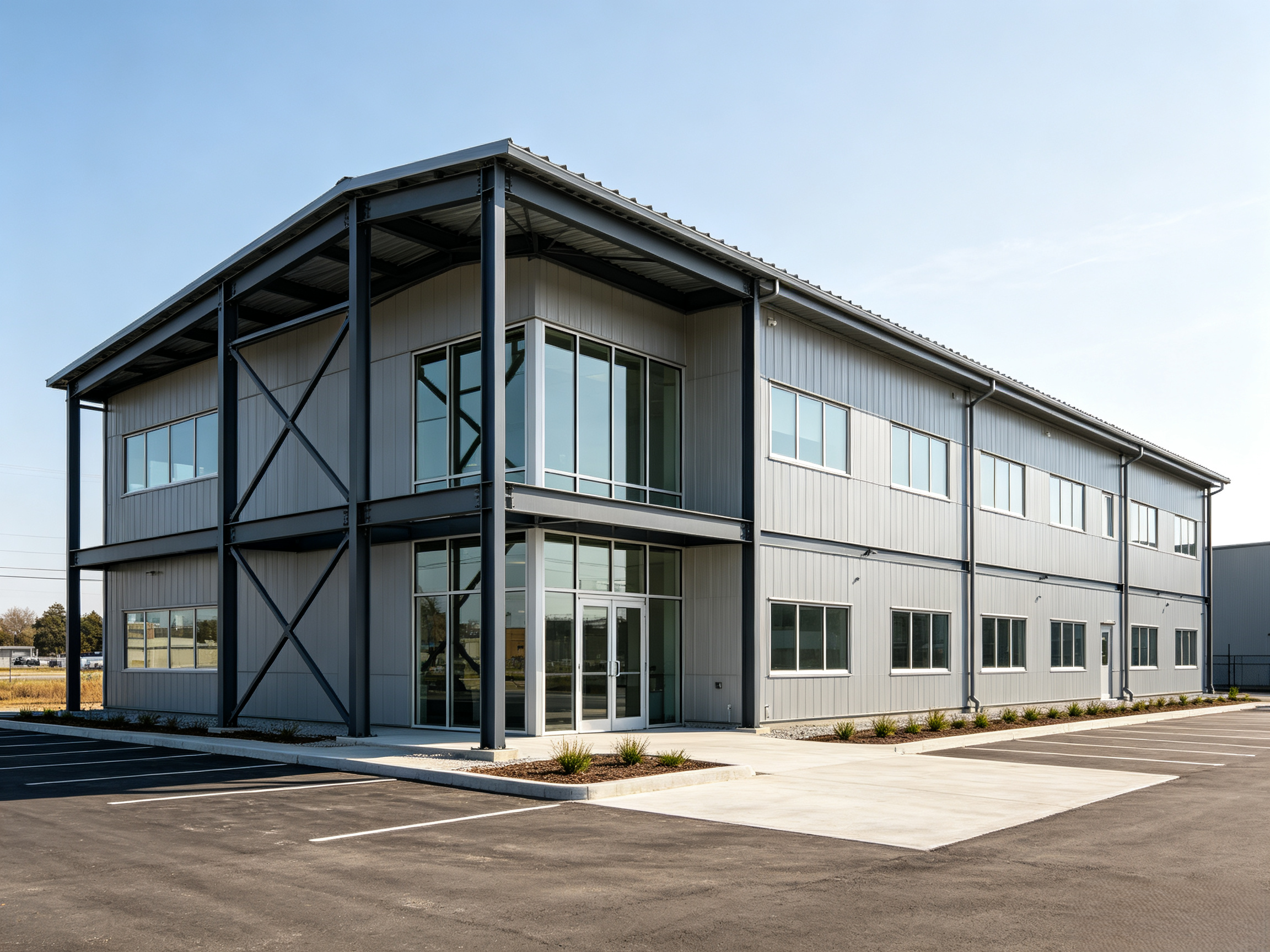
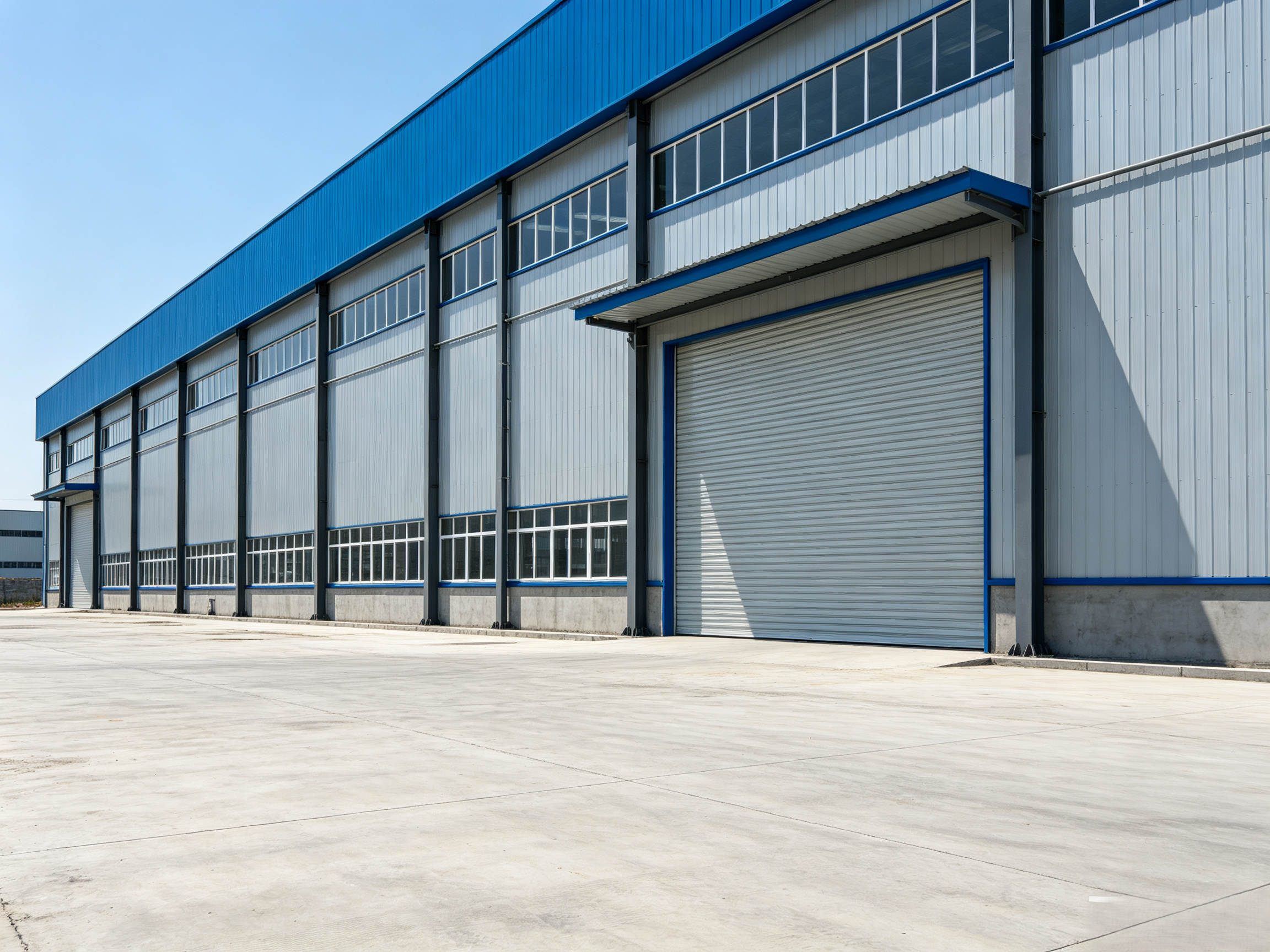
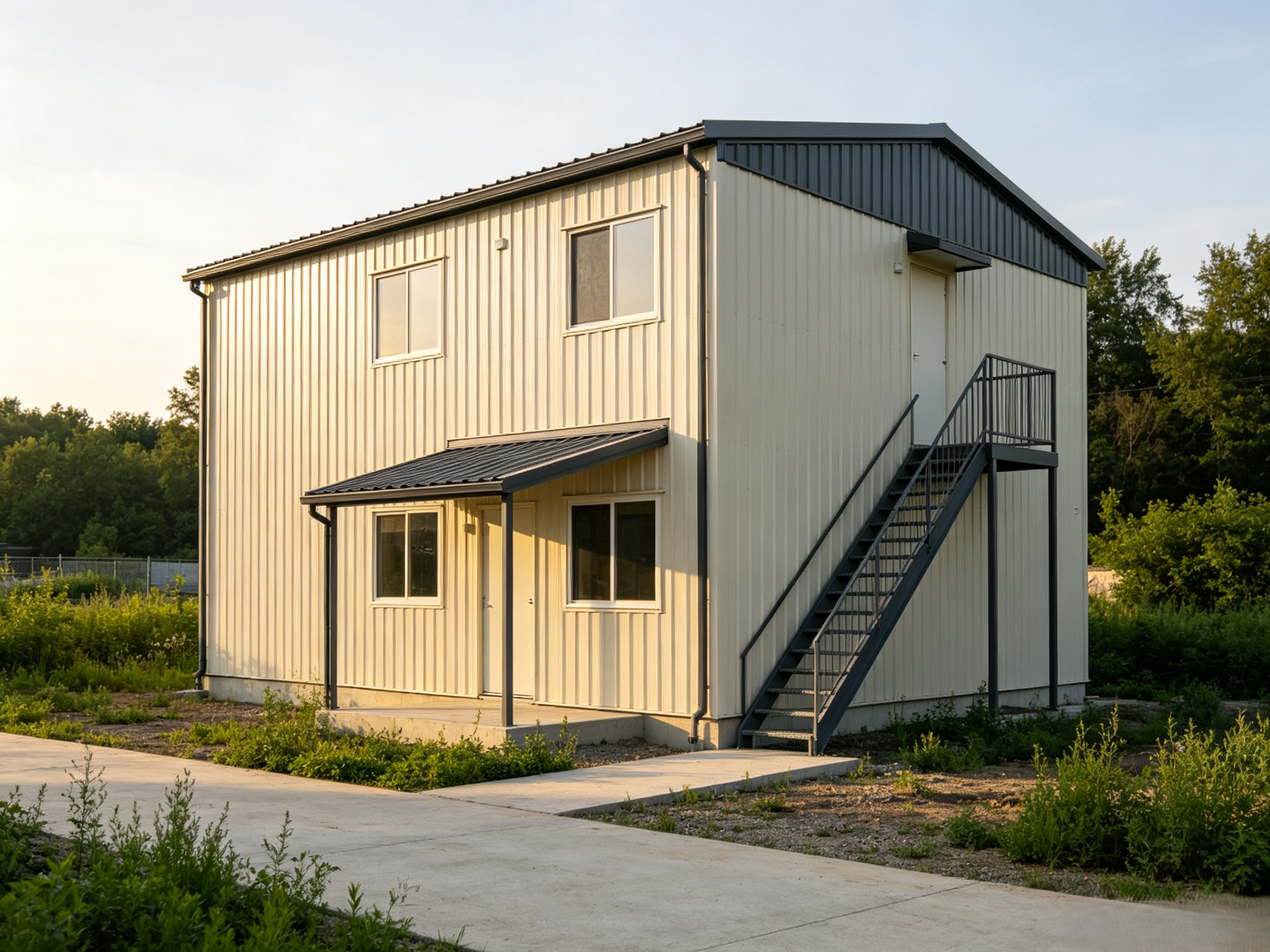
Steel structure homes are increasingly becoming a popular  choice for  both residential and commercial applications due to their durability, cost-effectiveness, and  rapid construction time. As a  purchasing manager or project coordinator,  understanding the  specifications, costs, and  potential issues associated with these  structures  is  crucial  to making informed  decisions.  This article aims  to  provide valuable insights into  key specifications, cost factors, best practices, and  common challenges related  to  steel structure homes,  helping you navigate the purchasing process effectively.

Why choose Xingyuanxing steel structure homes

Our Products

Key Specifications for Quality Steel Structure Homes You Should Know

When considering steel structure homes, several key specifications directly impact their quality and suitability for your project. These include:

Material Thickness: The thickness of  the steel used in the structure is critical  for strength and durability. Typically, a  minimum of 1.5 mm to 3.0 mm is recommended, depending  on the  load requirements and  environmental factors. Thicker materials provide better resistance to bending and deformation.

Load-Bearing Capacity: Understanding the load-bearing capacity  of the structure  is vital. This specification refers to the maximum weight the structure can support, which  is essential for ensuring  safety and longevity.  It should be calculated based on expected occupancy, furniture, and  external loads such as snow or wind.

Corrosion Resistance: Steel structures must be treated to prevent rust and corrosion, especially  in  humid  or coastal environments. Galvanization or powder coating are common methods used to enhance durability. In addition, using a quality accessories package can help in maintaining the integrity of your steel structure.

Insulation Properties: Steel's thermal conductivity can lead to heat loss or gain if not properly insulated. Consider insulation options that meet your climate needs,  ensuring energy efficiency and  comfort.

Fire Resistance:  Depending on local regulations, fire-resistant materials or coatings may be  required to enhance safety.

By confirming these specifications with your supplier, you can ensure the steel structure homes you consider will meet the necessary safety and performance standards.

Frequently Asked Questions

Our Blog Posts

What Our Partners Say

A Guide for Buyers

A Guide for Buyers

When purchasing steel structure homes, it  is essential to clearly communicate  your requirements to achieve the  best  results. Here’s  a guide to facilitate the buying process:

Define Your Needs: Outline the intended use of the structure (residential, commercial, etc.),  the  size, and any specific  design requirements.  This information will help the supplier present suitable options.

Request Detailed Quotations: Provide  your supplier with all relevant information, including dimensions, material preferences, and any  insulation or fire-resistance requirements. This will enable them to give you an accurate quote.

Inspect  Samples: Before committing to a bulk order, request samples or prototypes. This allows  you to evaluate the quality of materials, the precision of construction,  and the overall finish.

Lead Time Considerations: Ask about the expected lead time for production and delivery. Customization or large orders may require longer lead  times, which should be factored into your project  timeline.

Review Warranty and Support: Ensure that the supplier  offers a warranty on their products and inquire about post-purchase support for installation or maintenance.

By  being thorough in your inquiries and clear about your needs, you can streamline  the purchasing process and avoid common pitfalls.

Understanding the Cost Factors in Steel Structure Home Purchases

Understanding the Cost Factors in Steel Structure Home Purchases

The pricing of steel structure homes can vary significantly based on several factors:

Material Costs: Prices  fluctuate based on the type and thickness of steel, as well as any treatments applied  for corrosion resistance or insulation.  For  instance, galvanized steel may carry a  premium but offers better  long-term durability.

Design Complexity: Custom  designs or  unique specifications can increase costs due to additional engineering and fabrication time. Simpler designs may be more economical.

Labor Costs: Installation can be a  substantial part  of the overall cost. If complex assembly is required, labor costs will increase. Therefore, it’s essential to assess the skill level of the installation team.

Shipping and Logistics: Depending on your location and the supplier's base, shipping  costs can add to the overall  price. Consider local suppliers to  minimize these costs.

Market Conditions: Fluctuations  in the steel market can affect pricing. Keeping an  eye on market trends can help you  time your purchase for better pricing.

Understanding these  cost factors will help you  budget  effectively and make informed purchasing decisions.

Best Practices

Best Practices

To ensure a  successful purchase and installation of steel structure homes, consider these best practices:

Conduct Thorough Research:  Investigate  various suppliers and their offerings. Look for manufacturers with a proven track record in steel structure homes,  like Tianjin Xingyuanxing Color Steel Structure Co.,  Ltd.,  which has  extensive experience in engineering design and fabrication.

Quality Control: Implement a  quality  control process to inspect materials upon delivery. This includes checking for compliance with specified thickness and treating standards to ensure durability.

Work with Experienced Engineers: Engage with structural engineers during  the design phase to ensure that the home meets  all safety  and performance criteria. Their expertise can  help mitigate potential issues later in the process.

Plan for Maintenance: Consider the long-term maintenance of the structure, including regular inspections for corrosion and wear,  which will extend the lifespan  of the steel home.

Documentation and Compliance: Ensure that all necessary documentation, including building permits and compliance certifications, are in place before commencing construction.

Adhering to these best practices can lead  to a smoother purchasing experience and a  successful project  outcome.

Common Problems with Steel Structure Homes and Their Solutions

While steel structure homes offer many advantages, buyers should  also be aware of potential challenges:

Corrosion Issues: If not properly treated, steel can  rust over time. Solution:  Ensure the steel is  galvanized or coated before installation, and implement regular maintenance checks.

Thermal Bridging:  Steel conducts  heat, which can  lead to energy inefficiencies. Solution: Use high-quality insulation materials that fit  tightly around the structure to minimize heat loss.

Installation Challenges: Poor installation  can lead to structural issues. Solution: Hire experienced  contractors who specialize in steel structures for installation to ensure  compliance with design specifications.

Noise Transfer:  Steel structures can transmit sound more effectively than traditional materials. Solution: Consider  soundproofing materials during construction  to enhance comfort.

By understanding these common problems and their solutions,  buyers can better prepare for a successful project and  ensure the longevity  of their steel structure  homes.

Steel structure homes present a reliable and efficient option for modern construction needs. By grasping key specifications, understanding cost factors, following best  practices, and being aware of potential challenges, you can make informed decisions that lead to  successful outcomes in your projects. For example, utilizing a well-designed roof system can significantly enhance the overall performance of your steel structure home.