Choosing the Right Galvanized Roofing for Your Project

application/galvanized-roofing, application/galvanized-roofing, 
Inquiry
Inquiry

galvanized roofing

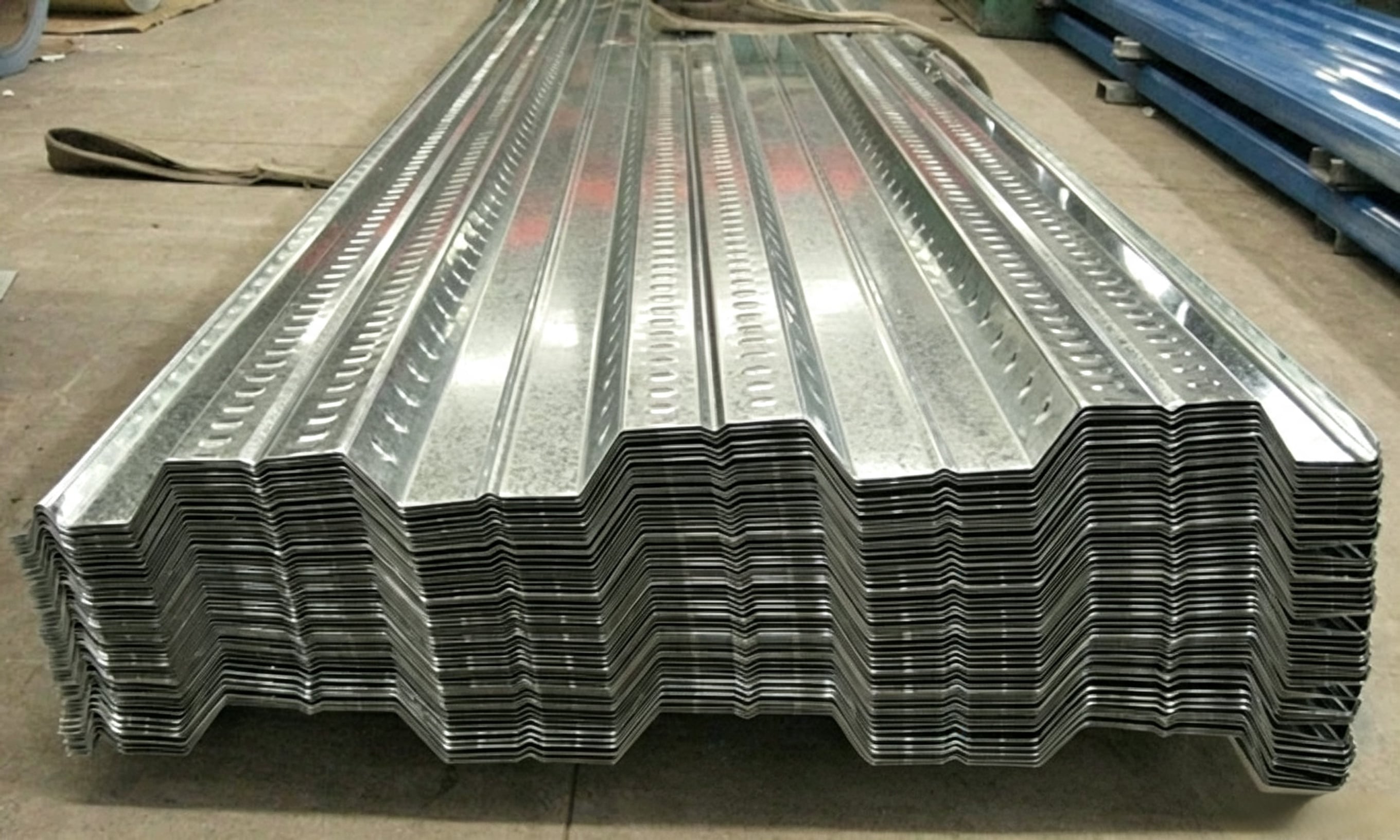
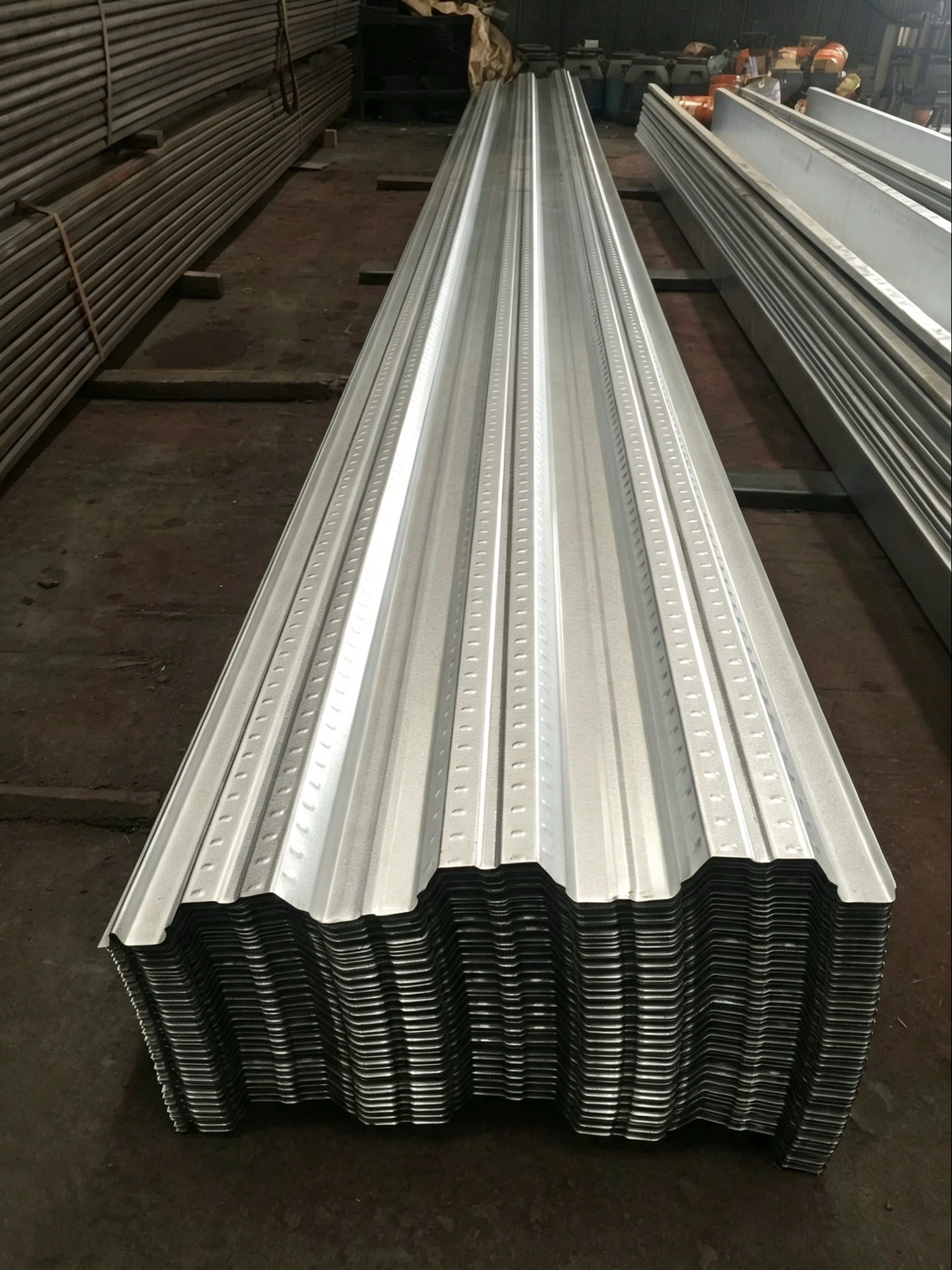
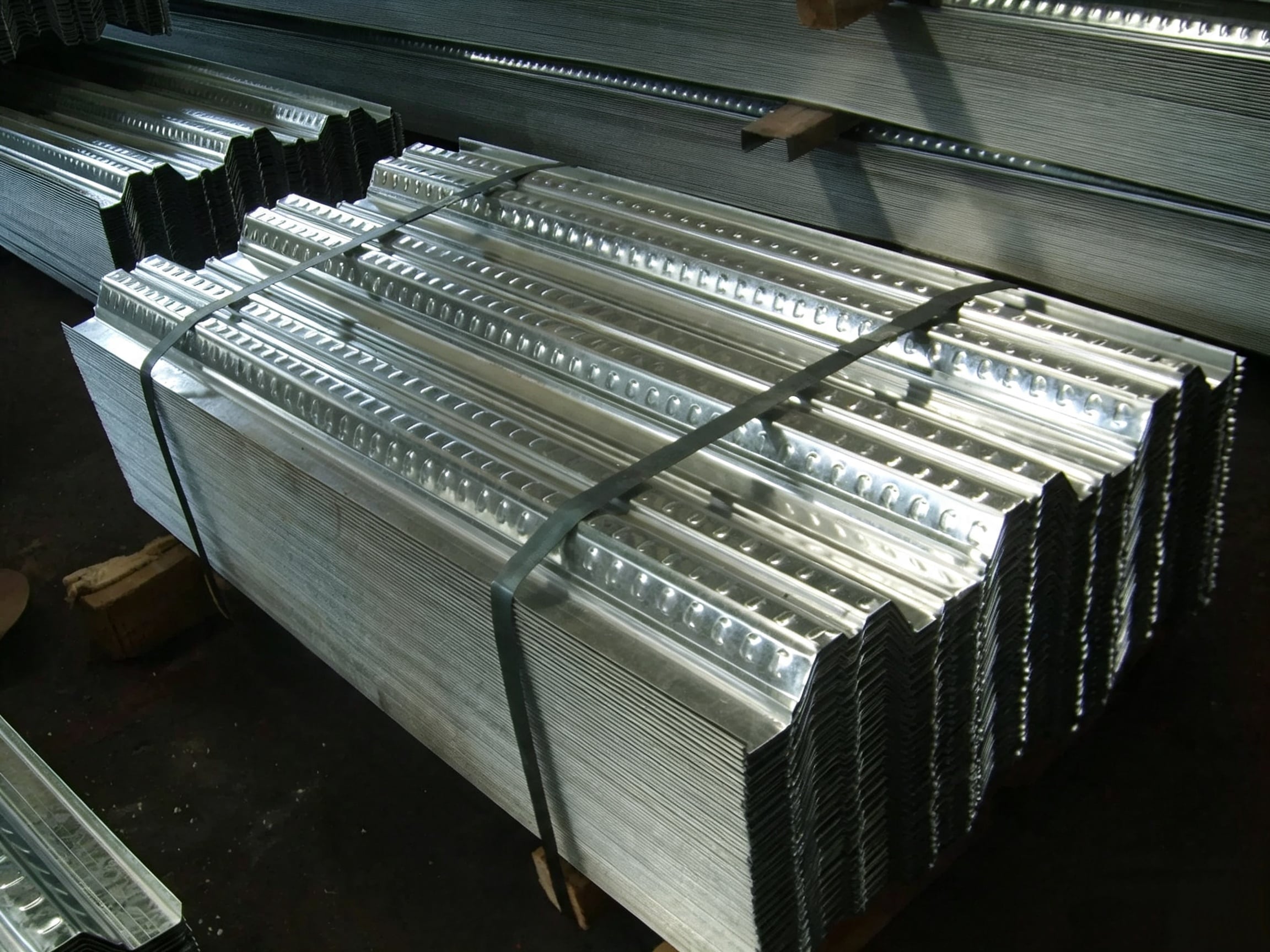
Galvanized  roofing is a popular  choice for  various construction projects due  to its  durability, corrosion resistance, and low maintenance requirements. As  a B2B  buyer, understanding  how to select  the right galvanized  roofing  material for  your specific needs is critical.  This article will guide purchasing managers,  contractors, and  engineers through  essential considerations such as  quality evaluation,  cost  implications,  and common installation challenges.

Why choose Xingyuanxing galvanized roofing

Our Products

Choosing the Right Galvanized Roofing for Your Project Needs

Selecting  the appropriate galvanized  roofing involves understanding the  specific requirements of your project. Factors such as thickness, coating weight, and profile can significantly influence the performance and longevity of the roofing  system.

Thickness: The thickness of the galvanized  steel panels typically ranges from 0.3mm to 1.5mm. Thicker panels provide enhanced durability and resistance to impact, making them  suitable for areas  prone to severe weather conditions.

Coating Weight: The galvanization process involves applying a zinc coating to the steel, which protects it  from corrosion. The coating weight—measured in grams per square meter (gsm)—is crucial; higher coating weights offer better  corrosion resistance, particularly in  coastal  environments where salt exposure is a concern.

Profile: The roof profile (e.g., standing seam, corrugated, ribbed) affects both aesthetics  and functionality. For instance, standing seam roofs  are ideal for areas with heavy rainfall as they facilitate better water drainage.

Application Suitability: Consider  the intended  use—commercial, agricultural, or residential—as each application  may have specific performance requirements. For example, agricultural buildings may require roofs that can  withstand higher  levels of moisture and biological contaminants. Additionally, exploring a secondary steel structure may further enhance the durability of your project.

By assessing these factors, you can ensure that  the galvanized roofing you select will meet the specific demands of your project.


Frequently Asked Questions

Our Blog Posts

What Our Partners Say

How to Evaluate the Quality of Galvanized Roofing Materials

How to Evaluate the Quality of Galvanized Roofing Materials

Evaluating the quality of galvanized roofing materials is essential to ensure longevity and reliability. Here are key aspects to consider:

Material Certification: Request certifications from suppliers that verify compliance with industry standards, such as ASTM or ISO. These certifications can assure you  of the material's quality and performance characteristics.

Galvanization Process: Inquire about the  galvanization method used. Hot-dip galvanization is  generally preferred, as it provides a thicker protective  coating compared to  electro-galvanization, leading to better corrosion resistance.

Surface  Inspection: Before  finalizing  an order, inspect product samples for any visible defects,  such as  rust spots  or improper coating uniformity. A  consistent surface finish is indicative of quality manufacturing processes.  Additionally, a thorough understanding of the wall system can complement your roofing choices.


Performance Testing: Ask suppliers if they conduct performance  tests, such as tensile strength, elongation,  and impact resistance  tests. These metrics provide insights into how well the roofing will withstand environmental stressors. 


Warranty and Support: Evaluate the  warranty  provided by the manufacturer. A robust warranty can indicate a manufacturer's confidence in their product quality.

By focusing on these evaluation criteria,  buyers can make more informed decisions when purchasing galvanized roofing materials.

Cost Factors to Consider When Buying Galvanized Roofing in Bulk

Cost Factors to Consider When Buying Galvanized Roofing in Bulk

When planning to purchase galvanized roofing in bulk, several cost factors come into play:

Material Costs:  The base price of galvanized steel varies depending  on the thickness,  coating  weight, and any additional treatments.  Thicker and higher-quality materials  will typically command a higher price.

Quantity Discounts:  Many manufacturers offer tiered pricing structures. Purchasing in larger quantities can lead  to significant savings. Always  inquire about volume discounts to maximize your  budget.

Shipping and Handling: Factor in transportation costs as they can vary based on distance and mode of transport.  Ensure to account  for any additional fees  associated with handling large shipments.

Installation Costs: Consider the complexity of  the installation process, which  can affect labor costs. Some roofing profiles may require specialized skills or equipment, impacting overall project costs.

Long-Term Value: While initial costs are essential, evaluate the long-term return on investment. High-quality galvanized  roofing can reduce maintenance and  replacement costs significantly over  the lifespan of the structure.

Understanding these cost factors will help you  budget effectively and make a more strategic  purchasing decision.

A Contractor's Guide

A Contractor's Guide

For contractors, selecting and installing galvanized  roofing involves several critical steps:

Project Assessment:  Before installation, assess the specific requirements of the  project, including load-bearing capacities and local building codes. Ensure that the chosen roofing system meets these specifications.

Preparation: Proper surface preparation is vital for installation. Ensure that the underlying structure is clean, dry, and free from  debris.  This will facilitate better adhesion and performance of the  roofing material.

Installation  Techniques: Familiarize yourself with  the specific installation guidelines provided by  the manufacturer. Proper fastening methods, such as using the  right screws or  clips, are essential to  ensuring the  roofing system's integrity.

Weather Considerations: Plan installation around weather  conditions. Avoid installing during heavy rains, strong winds, or extreme temperatures, as these can compromise the installation  quality.  Additionally, utilizing a roof system that is designed for your climate can enhance performance.


Post-Installation Inspection: After installation, conduct a thorough inspection to check for alignment, fastening integrity, and potential gaps. This helps prevent future leaks and maintenance  issues.


By following  these guidelines, contractors can ensure a successful installation that meets industry standards  and client expectations.

Common Problems with Galvanized Roofing and Their Solutions

Despite their many advantages, galvanized roofing can encounter several common issues. Here  are  some potential problems and their solutions:</p> 

Corrosion: While galvanized roofing is  designed to resist corrosion, it can still occur in harsh environments. To mitigate this, ensure proper drainage systems are in place,  and  consider applying a protective sealant.

Rust Formation: Improper installation or damage to the zinc coating can lead to rust. Regular inspections and maintenance, including cleaning and repainting exposed areas, can help prevent rust from developing.

Thermal Expansion: Changes  in temperature can cause the roofing material to  expand and contract, leading to buckling  or warping. Using expansion joints during  installation can accommodate these movements.

Poor Installation: Incorrect installation can result in leaks  and structural weaknesses. Always follow manufacturer guidelines and consider  hiring experienced professionals for installation to ensure longevity.

Mechanical Damage: Impact from falling  debris  or improper maintenance can damage the roofing. Educating maintenance teams on the proper care and  protection  of the roofing  system can help minimize this risk.

By understanding these common  issues and their solutions, buyers  and contractors can better prepare for long-term  performance and maintenance of galvanized roofing systems.