Quality Control in Structural Steel Manufacturing

application/struct-steel, application/struct-steel, 
Inquiry
Inquiry

struct steel

Structural steel is a vital component in modern construction, known for its strength, versatility, and cost-effectiveness. As a B2B buyer, your main concerns likely revolve around quality, supplier reliability, and installation challenges. This article will address these key areas, providing insights into quality control measures, installation challenges, supplier selection, and the advantages of structural steel, along with wholesale buying options.

Why choose Xingyuanxing struct steel

Our Products

Quality Control Measures in Structural Steel Manufacturing Explained

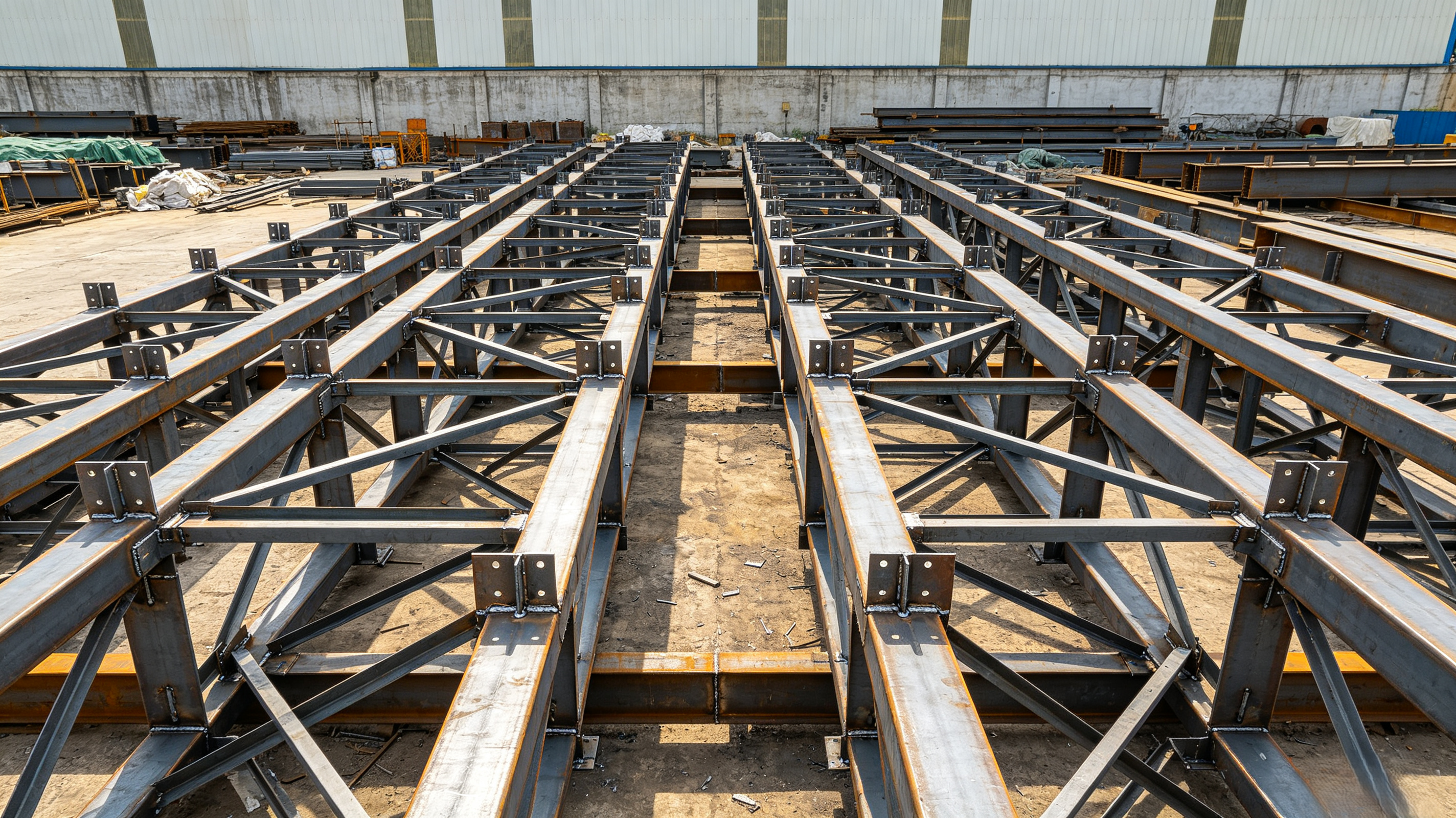
Quality control in structural steel manufacturing is essential to ensure the integrity and performance of the final product. It begins with raw material selection, where suppliers should provide steel that meets specific standards, such as ASTM or ISO certifications. These certifications indicate compliance with rigorous testing for strength, durability, and resistance to environmental factors.

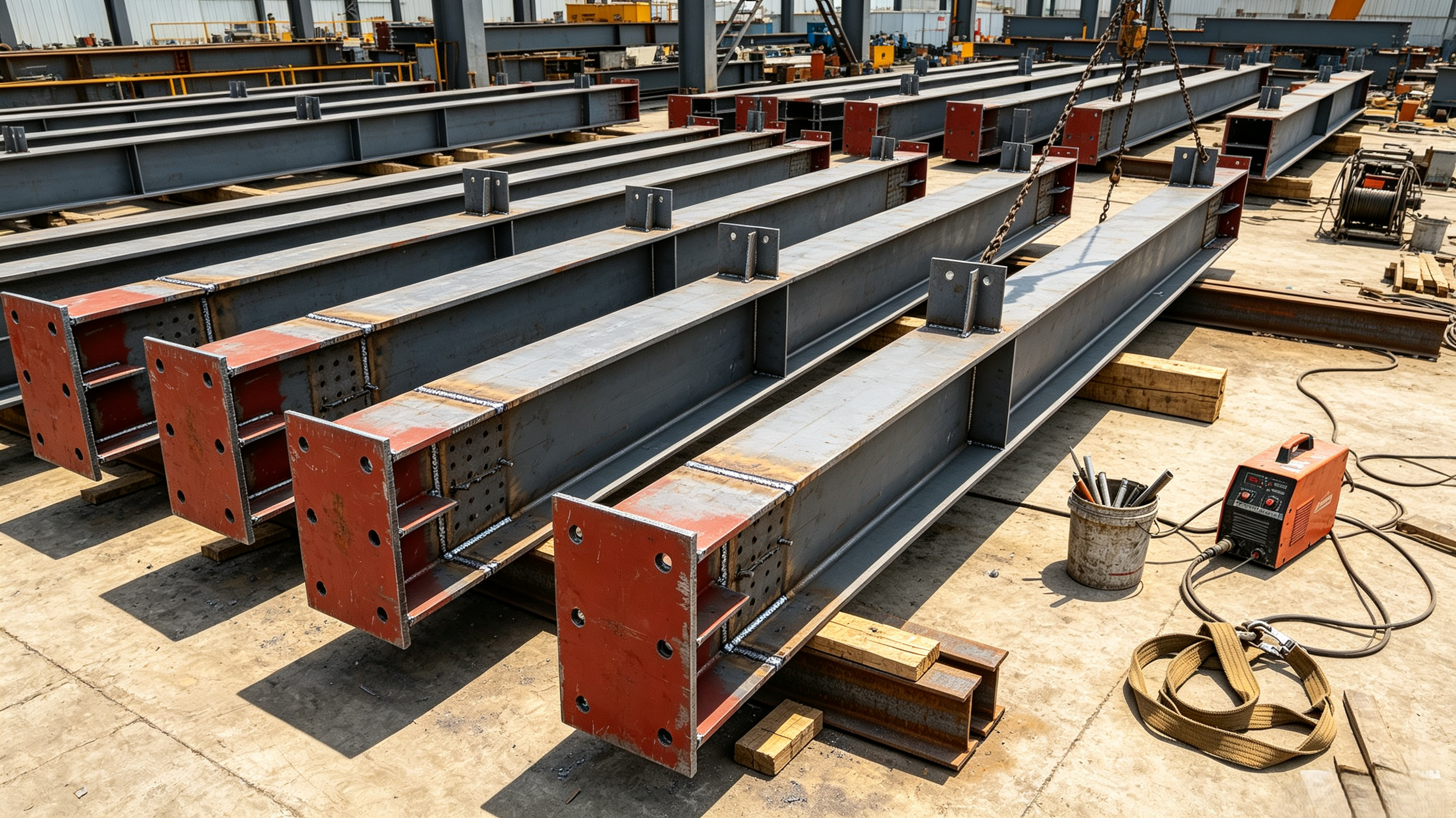
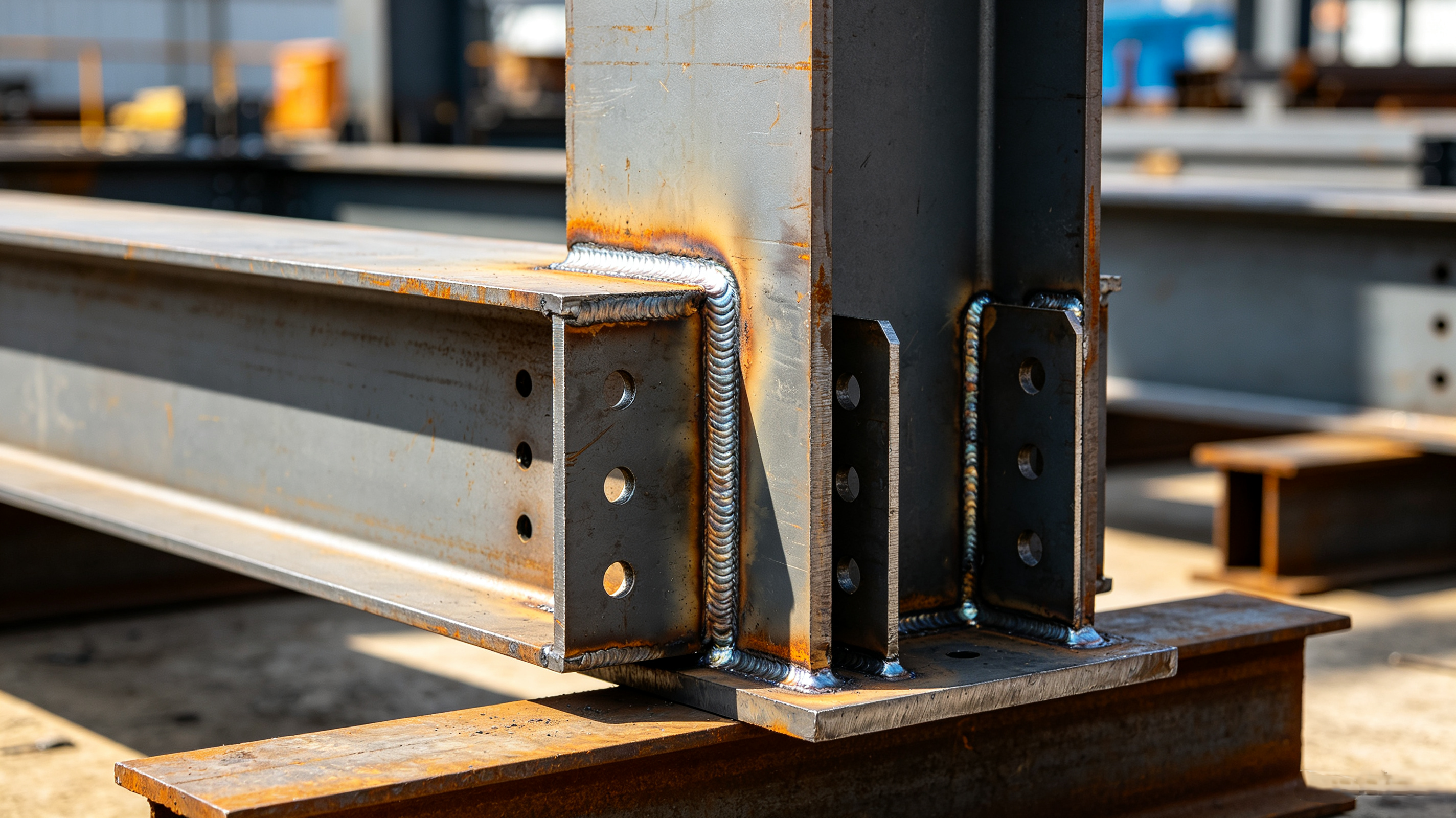
Once the materials are sourced, manufacturers employ several quality control measures throughout the production process. This includes dimensional inspections using precision measurement tools to verify that steel components meet the specified tolerances. Visual inspections are also critical, assessing for surface defects such as rust, scratches, or improper welds.

Another important aspect is non-destructive testing (NDT), which checks for internal flaws without damaging the material. Techniques like ultrasonic testing, magnetic particle inspection, or radiographic testing help ensure the steel's structural integrity before it proceeds to installation. Buyers should request documentation of these quality assurance processes, such as inspection reports and test results, to confirm the steel's suitability for their projects. For instance, Galvanized Several-Shaped Steel Profiles 50*70mm For Greenhouse Frames are often tested rigorously to meet these standards.

Frequently Asked Questions

Our Blog Posts

What Our Partners Say

Common Installation Challenges with Structural Steel and Solutions

Common Installation Challenges with Structural Steel and Solutions

Installing structural steel can present several challenges, including alignment issues, welding difficulties, and site constraints. One common issue is ensuring proper alignment of steel beams and columns, which is crucial for maintaining structural integrity. To address this, pre-installation planning is essential. A detailed layout plan, including precise measurement and positioning of steel components, can help mitigate alignment problems.

Welding is another area where challenges may arise, particularly if the steel components are not prepped correctly. Inconsistent heating or incorrect welding techniques can lead to weak joints. To prevent this, ensure that welders are certified and experienced in working with structural steel. Additionally, implementing a stringent inspection process during welding can help catch issues early.

Site constraints, such as limited space or difficult access, can complicate installation. Using modular construction techniques can alleviate some of these issues. By fabricating components off-site and delivering them ready for assembly, you can streamline the installation process and minimize on-site complications. For example, Prefabricated Structural H-Beam Steel 100×100mm For Large-Span Industrial can significantly ease the installation burden.

Where to Find Reliable Suppliers for Structural Steel Products

Where to Find Reliable Suppliers for Structural Steel Products

Finding a reliable supplier for structural steel products requires careful evaluation. Start by looking for manufacturers with a proven track record in the industry. Companies like Tianjin Xingyuanxing Color Steel Structure Co., Ltd., which has over a decade of experience in the Beijing-Tianjin-Hebei region, are often well-versed in the complexities of structural steel production and installation.

When assessing potential suppliers, consider their certifications and quality control processes. Look for suppliers who can provide evidence of compliance with industry standards and have robust quality assurance systems in place. Additionally, ask for references and case studies from previous projects to gauge their reliability and performance.

Attending industry trade shows and networking events can also be beneficial. These platforms allow you to meet suppliers face-to-face, view their products, and discuss your specific needs. Online directories and industry associations can be helpful resources for identifying reputable suppliers as well.

The Advantages of Structural Steel in Modern Construction Applications

The Advantages of Structural Steel in Modern Construction Applications

Structural steel offers numerous advantages that make it a preferred choice in modern construction. Its high strength-to-weight ratio allows for lighter frameworks, which can reduce foundation costs and make transportation easier. Additionally, steel’s durability ensures that structures can withstand harsh weather conditions and resist pests, making it a long-lasting option.

Another significant advantage is the speed of construction that structural steel allows. Prefabrication techniques enable quick assembly on-site, leading to shorter project timelines. This can be particularly advantageous for commercial projects where time is a critical factor.

Furthermore, structural steel is highly versatile. It can be easily customized to meet specific design requirements, whether for industrial buildings, bridges, or commercial spaces. This adaptability, combined with its recyclability, makes structural steel an environmentally friendly choice, aligning with growing sustainability goals in construction.

Understanding the Benefits of Wholesale Structural Steel Buying Options

Wholesale buying options for structural steel can yield significant cost savings, especially for larger projects. Purchasing in bulk often allows buyers to negotiate better pricing terms, which can lower overall project costs. When considering wholesale options, assess the Minimum Order Quantity (MOQ) requirements, as these can vary significantly between suppliers.

In addition to cost savings, wholesale purchases can also ensure a consistent supply of materials. This is critical for projects that require specific steel types and quantities to maintain timelines. Working directly with manufacturers can also provide opportunities for customization, allowing you to specify dimensions, coatings, or other features to meet project needs, such as No-Concrete Galvanized Steel Floor Deck Q235B For Rapid Mezzanine Construction for specific applications.

It's also essential to consider logistics when buying wholesale. Ensure that the supplier can accommodate your delivery schedule and has the capacity to handle the volume you require. Discuss packaging methods and shipping arrangements to avoid delays and ensure that the steel arrives in good condition.

By understanding these aspects of structural steel, B2B buyers can make informed decisions that enhance project efficiency and effectiveness. Taking the time to evaluate suppliers, understand quality control processes, and leverage wholesale buying options can lead to successful construction outcomes.