Purlin Steel Roof: Key Specifications & Best Practices

application/purlin-steel-roof, application/purlin-steel-roof, 
Inquiry
Inquiry

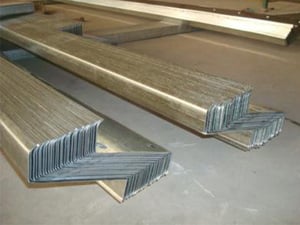
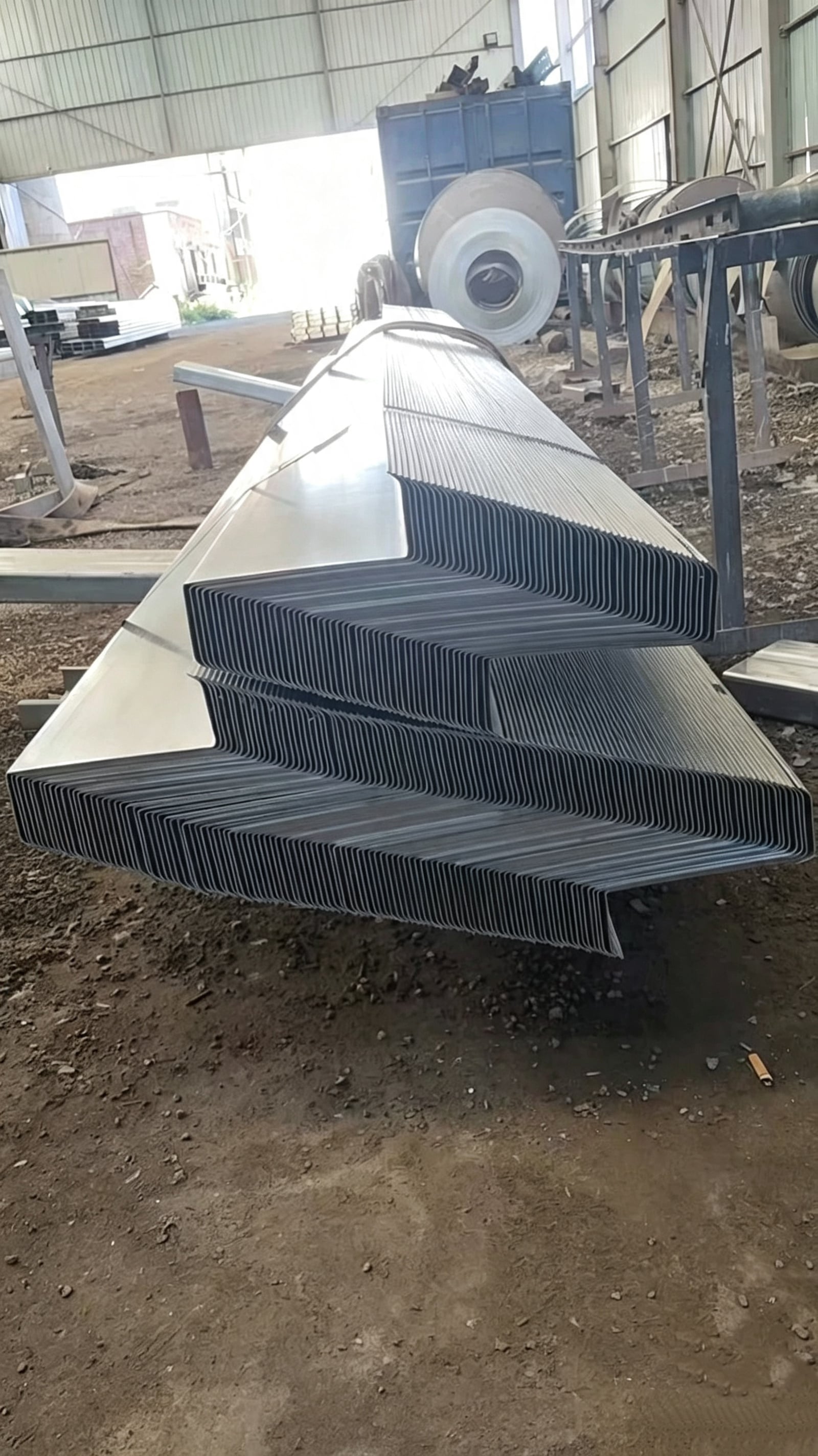
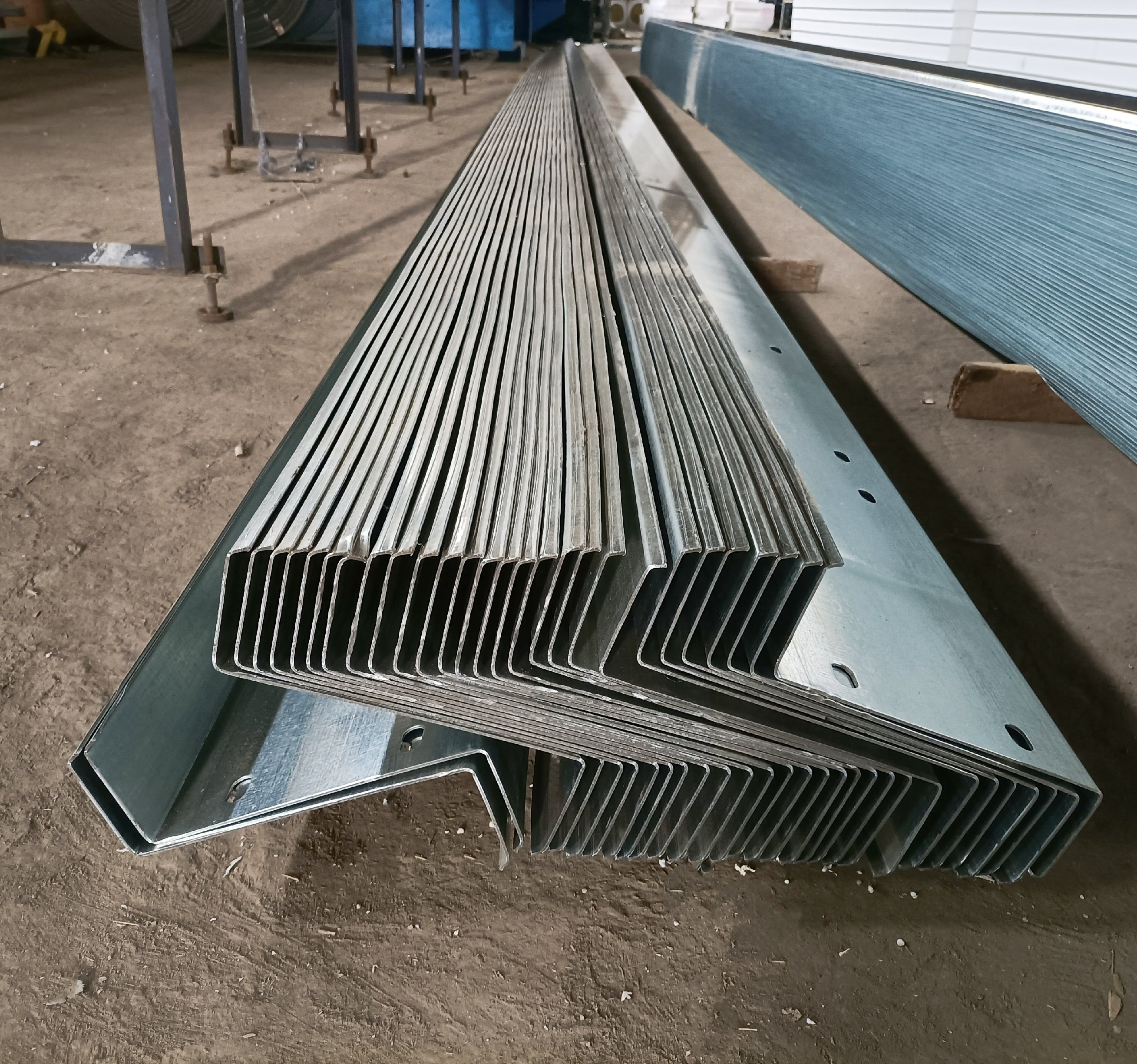
purlin steel roof

Purlin steel roofs are integral components  in steel structure engineering, providing essential support and  stability in  various  applications.  B2B buyers, such as  purchasing managers and engineers, often prioritize  factors like material  quality,  cost-effectiveness, and installation  efficiency when considering purlin steel  roof systems.  This  article will help you navigate the key specifications, cost  evaluations,  installation  guidance, purchasing strategies,  and selection criteria for purlin steel roofs, ensuring you  make  informed decisions tailored  to your project needs. For more information on related structures, you might also be interested in our Factory building of steel structure.

Why choose Xingyuanxing purlin steel roof

Our Products

Understanding Purlin Steel Roof Specifications for Bulk Orders

When evaluating purlin steel roof products, several specifications are critical to ensuring performance and  durability. Key specifications include material type, dimensions,  load capacity,  and coating treatment.

Material Type: The most common materials used for purlins are galvanized steel and cold-formed  steel. Galvanized  steel offers corrosion resistance, which is vital for outdoor applications where weather exposure is a concern. Cold-formed  steel is often used for lighter structures, providing adequate strength  while being cost-effective.

Dimensions: Purlins come in  various sizes, typically defined by their depth and width. Standard  sizes must be chosen based on the structural requirements, including the span they need to cover and the load they will support. Accurate dimensioning is essential because incorrect sizes  can lead to structural  failure or increased costs during installation.


Load Capacity: It's crucial to assess the  load-bearing capacity of purlin steel roofs,  which depends  on their material  and configuration. Buyers should evaluate the anticipated loads, including dead loads (the weight of the structure itself) and live loads (additional weight  from snow, equipment, or maintenance).

Coating Treatment: The surface treatment of purlins, such as galvanization or painting, significantly impacts their longevity and  resistance to environmental factors. Buyers should consider the  specific environmental conditions of their application when selecting the appropriate coating.

Understanding these specifications can help ensure that the chosen purlin steel roof products meet the necessary performance and safety standards  for your project, including considerations for the Wall system.

Frequently Asked Questions

Our Blog Posts

What Our Partners Say

Related product categories

Where to Find Reliable Suppliers of Purlin Steel Roofs

Where to Find Reliable Suppliers of Purlin Steel Roofs

Cost evaluation for purlin steel roofs involves  several factors that can influence the overall budget. Key considerations  include material costs, labor expenses,  and additional features.

Material Costs: The price of purlin steel  varies based  on the type of steel,  thickness, and surface treatment. Galvanized steel typically incurs a higher upfront cost but may offer long-term savings  due to its durability  and corrosion resistance.

Labor Expenses: Installation costs can  vary significantly depending on the complexity of the  project and local labor rates. Efficient installation processes can reduce labor costs, so buyers should consider suppliers  who provide comprehensive installation guidance  or even on-site support.

Additional Features: Depending on project requirements, features such as custom  lengths or specific coatings can  add to the cost. Buyers should clearly define their project  needs to avoid unexpected costs associated with customization.

To effectively evaluate costs,  engaging multiple suppliers  for quotations can  provide insights into market  pricing and help identify the best value without  compromising quality.

Best Practices

Best Practices

Successful installation  of purlin steel roof systems hinges on careful planning,  precise measurements, and  adherence to safety standards. Here are essential steps for a smooth installation process:

Site Preparation: Ensure  the installation site is clear and accessible. Proper site preparation can prevent delays and complications during the  installation process.

Measurement and Layout: Accurate measurements are crucial. Begin  by marking the layout on the building structure, ensuring that all dimensions align with your design specifications. Double-checking  measurements will avoid costly  mistakes.

Assembly: Depending on the design,  purlins  may need to  be assembled on-site or can come pre-assembled. Follow the manufacturer’s guidelines  for assembly, ensuring that all connections are secure  and compliant with  local building codes.


Quality Inspection: After  installation, conduct  a thorough  inspection to ensure all components are installed correctly. Check for misalignments, loose connections, or any signs of damage.

By following these installation guidelines, buyers can enhance the structural integrity of their projects while minimizing  risks and  ensuring compliance with relevant standards.

Common Problems with Purlin Steel Roofs and Their Solutions

Common Problems with Purlin Steel Roofs and Their Solutions

When  purchasing purlin steel roofs, employing effective wholesale purchasing strategies can lead to significant cost  savings and improved supplier relationships. Consider the following approaches:

Bulk Ordering: Many manufacturers offer discounts for  bulk purchases. If your project allows, ordering larger quantities can reduce overall costs. Be sure  to confirm the  minimum order quantities  (MOQ) with  suppliers  beforehand.

Supplier Relationships: Developing a solid relationship with a  reliable supplier can lead to better pricing, priority service, and access to new  products. Regular communication and feedback can enhance the  partnership, ensuring that the  supplier understands your specific requirements.

Contract Negotiations: When engaging suppliers, negotiate contract  terms  that include price stability, delivery schedules, and quality  assurances. Clearly defined terms can prevent misunderstandings and  support smoother transactions.

Exploring Multiple Suppliers: Do not limit your search to a single supplier. Explore various options to compare pricing, quality, and service. This competitive approach can help identify the best supplier that meets  your project needs without compromising quality.

By implementing these  strategies, buyers can optimize their purchasing process, ensuring they achieve the  best value  for their investment in purlin steel roof systems.

Applications of Purlin Steel Roofs in Industrial Settings

Selecting  the appropriate purlin steel roof requires careful consideration  of your project’s unique specifications and demands. Here are  critical factors to guide  your selection:

Project Requirements: Assess the specific needs of your project, including load requirements, environmental conditions, and aesthetic preferences. This assessment will guide material choices and  design specifications.

Customization Options: Many manufacturers offer customizable  solutions to  meet specific project needs. Discuss potential customization with your supplier, including dimensions,  coatings, and  finishes that align with  your design vision.

Regulatory Compliance:  Ensure  that your selected purlin steel roof meets local building codes and industry standards. Compliance with regulations is essential for safety and can prevent future  legal  complications.

Supplier Expertise: Partnering with a manufacturer that has extensive experience in the industry, such as Tianjin Xingyuanxing Color Steel Structure  Co., Ltd., can provide  confidence in product quality and project execution.  Their knowledge can be valuable in navigating challenges and ensuring a successful outcome.

By comprehensively evaluating these factors,  buyers can make informed  decisions that align with their project requirements, ensuring  successful installation and durability of their purlin steel roof systems.