Essential Guide to Prefab Metal Warehouses

application/prefab-metal-warehouse, application/prefab-metal-warehouse, 
Inquiry
Inquiry

prefab metal warehouse

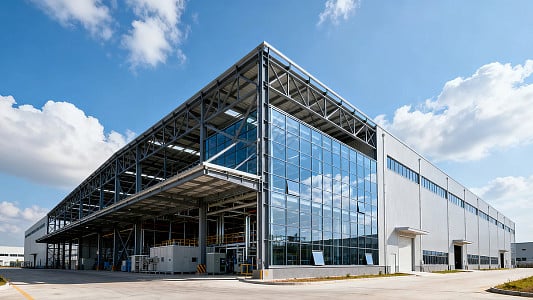
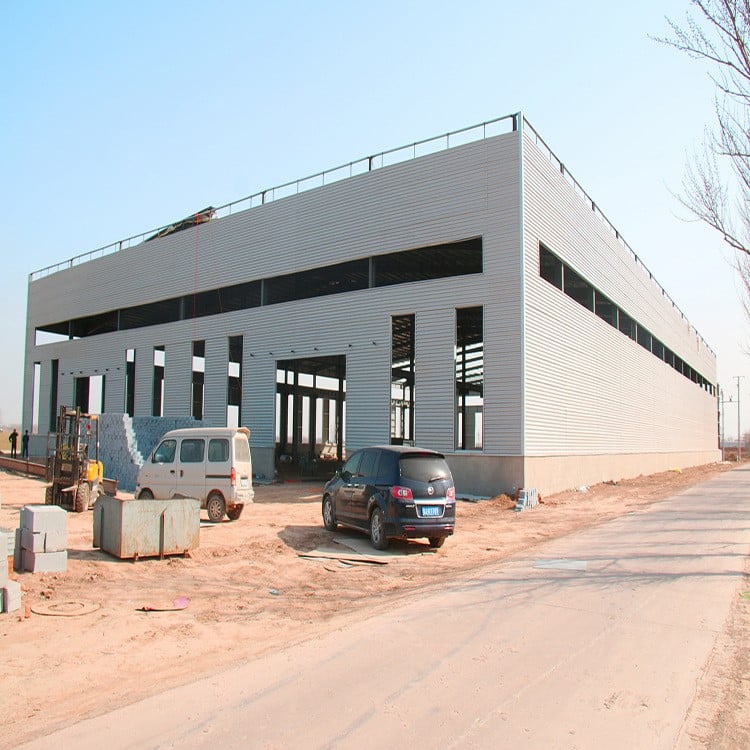
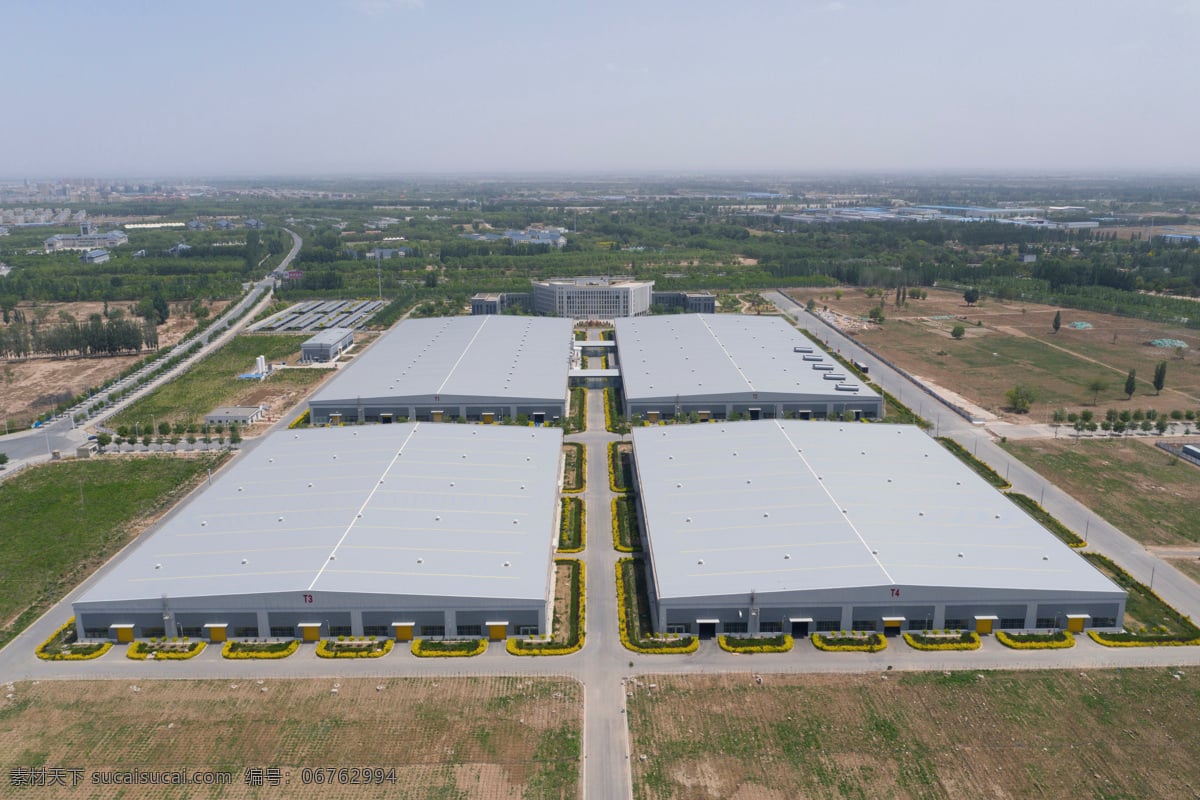
A prefab metal  warehouse is a pre-engineered structure made  from steel, designed for efficient storage and operation in various industries. Buyers often seek durable,  cost-effective solutions that streamline construction and minimize downtime. , we  will  explore  essential  specifications  for  high-quality  prefab metal warehouses, how  to evaluate  supplier reliability, installation  guidance, and common  problems with these structures along with their solutions.  This  information aims to help purchasing managers, engineers,  and product managers  make informed decisions when considering  prefab metal  warehouses.

Why choose Xingyuanxing prefab metal warehouse

Our Products

A Buyeru2019s Guide

When selecting a prefab metal warehouse,  buyers  should consider several key factors that can significantly influence their investment. First, the intended application dictates the  warehouse design—whether for  storage, manufacturing, or distribution. Buyers should assess their  unique operational needs  to determine the size, layout, and specific features required. For example, understanding the appropriate Secondary steel structure can be crucial for enhancing the overall integrity of the warehouse.

Material selection is crucial as it affects the structure's durability and maintenance requirements. Steel is commonly used for its strength, but factors such as corrosion resistance  and insulation properties also  matter. Buyers should request information on the  type  of steel used, including its gauge and  any protective coatings applied.

Another important aspect is the manufacturing process. Understanding the supplier's capabilities, including their quality control measures, can provide insights into the potential longevity and  performance of the warehouse. Buyers should inquire about the production  timeline and  whether the supplier offers customization options to tailor the warehouse to specific needs. For instance, a reliable supplier may provide options for a Roof system that aligns with specific operational requirements.

Lastly, pricing  is  a  significant concern. Buyers should compare quotes from multiple suppliers, factoring in not just the initial cost but also long-term maintenance, energy efficiency, and potential expansion  needs.  A thorough RFQ (Request for  Quotation) that includes detailed specifications can help in obtaining accurate pricing.

Frequently Asked Questions

Our Blog Posts

What Our Partners Say

Essential Specifications for High-Quality Prefab Metal Warehouses

Essential Specifications for High-Quality Prefab Metal Warehouses

Quality specifications for prefab metal warehouses can vary widely based on intended use and  environmental conditions. Key specifications to consider include:

Steel Gauge and Type: The thickness and quality of  the steel  determine the  structure's strength and resistance to environmental factors. Common gauges for warehouse walls  range from 14 to 20, with heavier gauges providing better durability.

Dimensions: The width, length, and height of the warehouse are critical for efficient storage. It’s  essential to plan for future expansion and ensure compliance with local zoning regulations.

Insulation:  Depending on the climate, insulation can be vital  for energy efficiency and temperature control. Buyers should consider  insulated panels or thermal  breaks to reduce heating and cooling costs.

Load-Bearing Capacity: This specification is crucial for warehouses that  will store heavy equipment or materials. Understanding the load requirements will guide buyers  in selecting appropriate structural designs and materials.

Roofing  and Drainage: The roof  design should accommodate local weather  conditions, including snow load and  rainfall. Proper drainage systems are essential to prevent water accumulation and structural damage.

Doors and Loading Bays: The types and sizes of  doors can affect the efficiency of operations. Buyers should assess the  volume of incoming and outgoing traffic to determine the appropriate configurations.

How to Evaluate Supplier Reliability for Prefab Metal Warehouses

How to Evaluate Supplier Reliability for Prefab Metal Warehouses

Evaluating supplier reliability is essential to ensure a successful procurement  process. Here are some  key factors to  consider:

Experience and Reputation: Suppliers with extensive experience in the  industry, particularly in  the region, are more likely to understand local regulations and market  dynamics.  Review their past projects and client testimonials to gauge their reputation.

Manufacturing Capabilities: Assess the supplier's production  facilities  and  equipment. Advanced technology can lead to better precision and quality  in fabrication. Inquire  about their quality control processes to  ensure they meet industry standards.

Certifications: While the  company background provided does not specify certifications, it’s beneficial to look for suppliers  with relevant industry certifications that can attest to their quality management and environmental practices.

Customer Support and  Communication: Clear communication is vital throughout the procurement process. A reliable supplier should offer  responsive customer service and assistance, especially during installation and after-sales support.

Warranty and  Post-Sale Service: Understanding the warranty  offered on the prefab metal warehouse and the supplier's commitment to post-sale service can provide peace of mind for buyers. A solid warranty indicates  confidence in product quality.

Installation Guidance for Your Prefab Metal Warehouse Projec

Installation Guidance for Your Prefab Metal Warehouse Projec

Proper installation  of a prefab metal warehouse is critical  to its performance and longevity. Here are  some key considerations for  a successful  installation:

Site Preparation: Ensure the site is properly prepared, including  leveling the  ground and laying a suitable foundation. The type of  foundation may vary depending on the warehouse size and local soil  conditions.

Assembly Process: Follow  the manufacturer's installation guidelines closely. This  typically includes erecting the frame, attaching wall panels, and installing roofing. Engaging experienced  contractors familiar with prefab structures can streamline this process.

Safety  Measures: Safety should be a priority during installation. Workers should use appropriate protective equipment and adhere to  safety protocols to minimize risks.

Utilities and Finish Work: Plan for  the installation of utilities such as electricity, plumbing, and  HVAC systems, if  necessary. This should be done before finalizing interior finishes,  ensuring everything is integrated seamlessly.

Inspections: Conduct inspections throughout the installation process to ensure compliance with  local building codes and regulations. This may include inspections for structural integrity, electrical work, and plumbing.

Common Problems with Prefab Metal Warehouses and Their Solutions

Despite their many advantages, prefab metal warehouses can encounter several common  issues. Here are some potential problems and their solutions:

Corrosion: If not adequately protected, steel can corrode over time, leading to structural integrity issues. Buyers should ensure that the supplier uses high-quality coatings and consider regular maintenance checks to address any signs of corrosion early.

Thermal  Expansion: Steel expands  and contracts  with temperature  changes, which can  lead to structural stress. Proper design and installation should account for thermal expansion  by using expansion joints  where necessary.

Pest Infestation: Metal structures can be susceptible to pest infestations if not properly sealed. Ensure all openings are adequately sealed, and regular inspections are conducted to identify potential  entry points.

Insulation  Failure: Poor insulation can  lead to energy  inefficiencies and discomfort within the warehouse. Buyers should select  appropriate  insulation materials  and verify their performance ratings before installation.

Structural Damage from Extreme Weather: Severe weather can pose risks to prefab structures. Buyers should consult with suppliers about  design features that enhance resilience  against high winds, heavy snow, or other local environmental conditions. Additionally, understanding the Accessories used in conjunction with the warehouse can further mitigate these risks.

By understanding these aspects and potential pitfalls, buyers can make informed decisions  and mitigate risks associated with their prefab metal warehouse  projects.