Reliable Panel Metal Solutions for Industrial Projects

application/panel-metal, application/panel-metal, 
Inquiry
Inquiry

panel metal

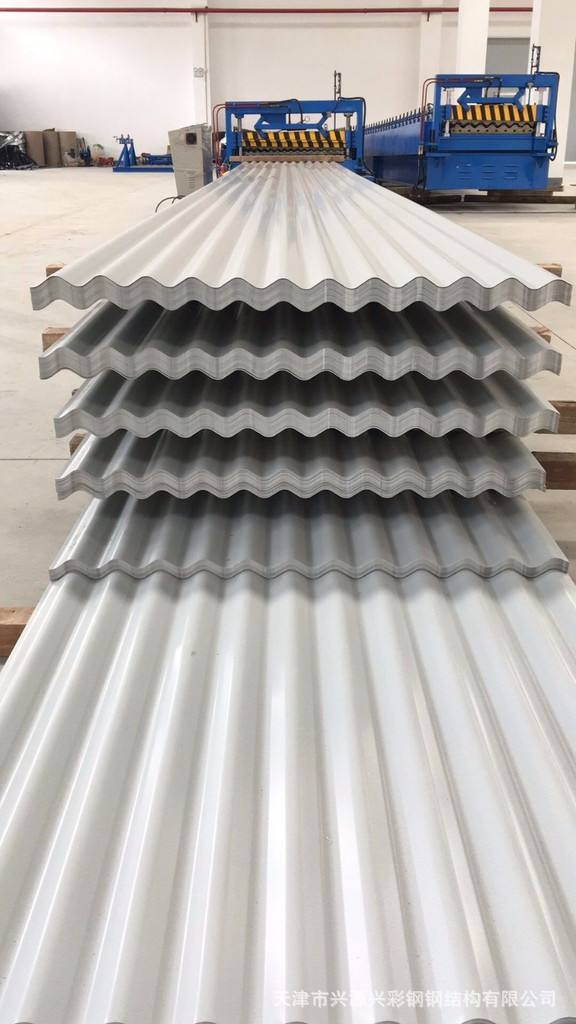
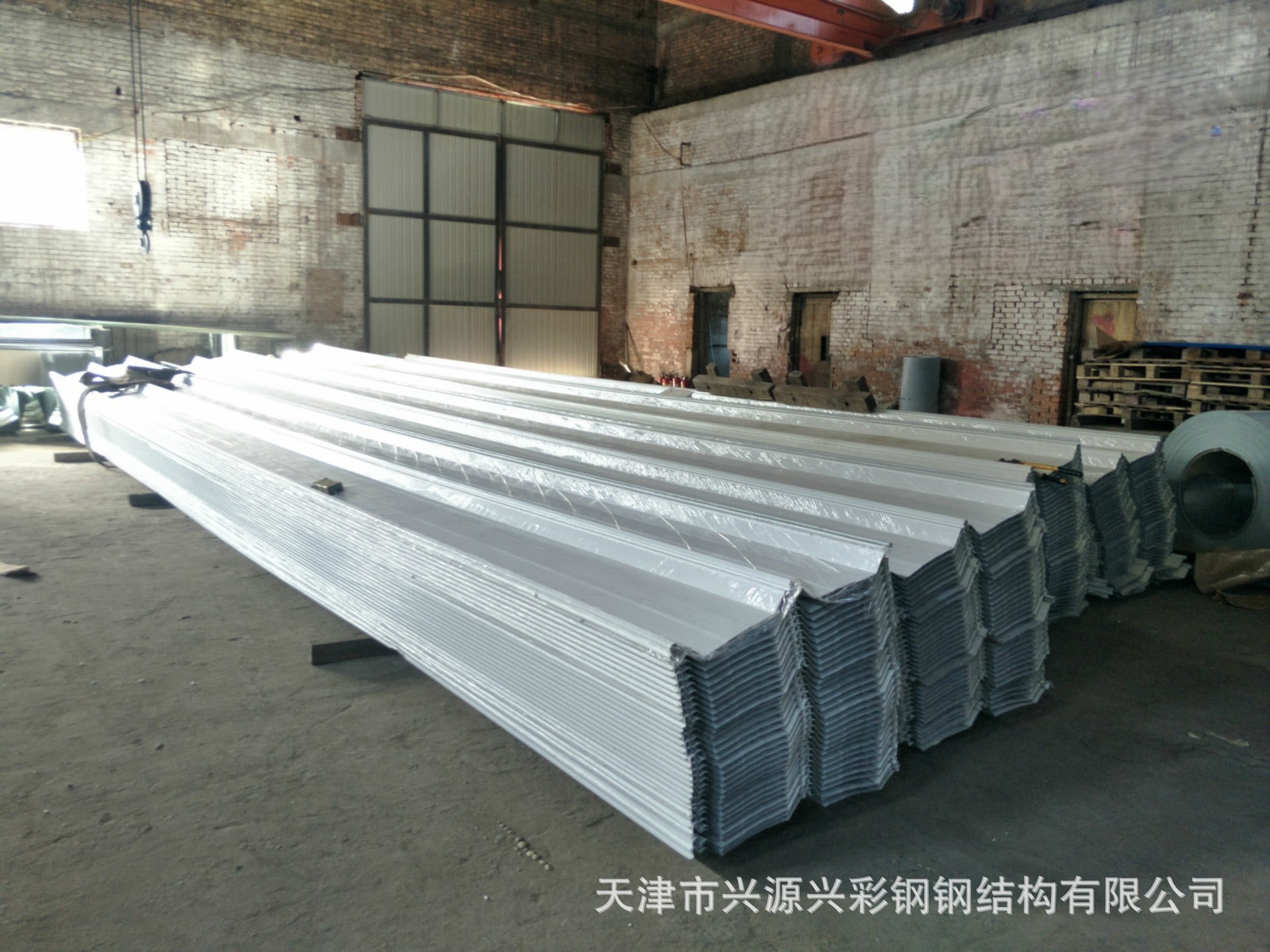
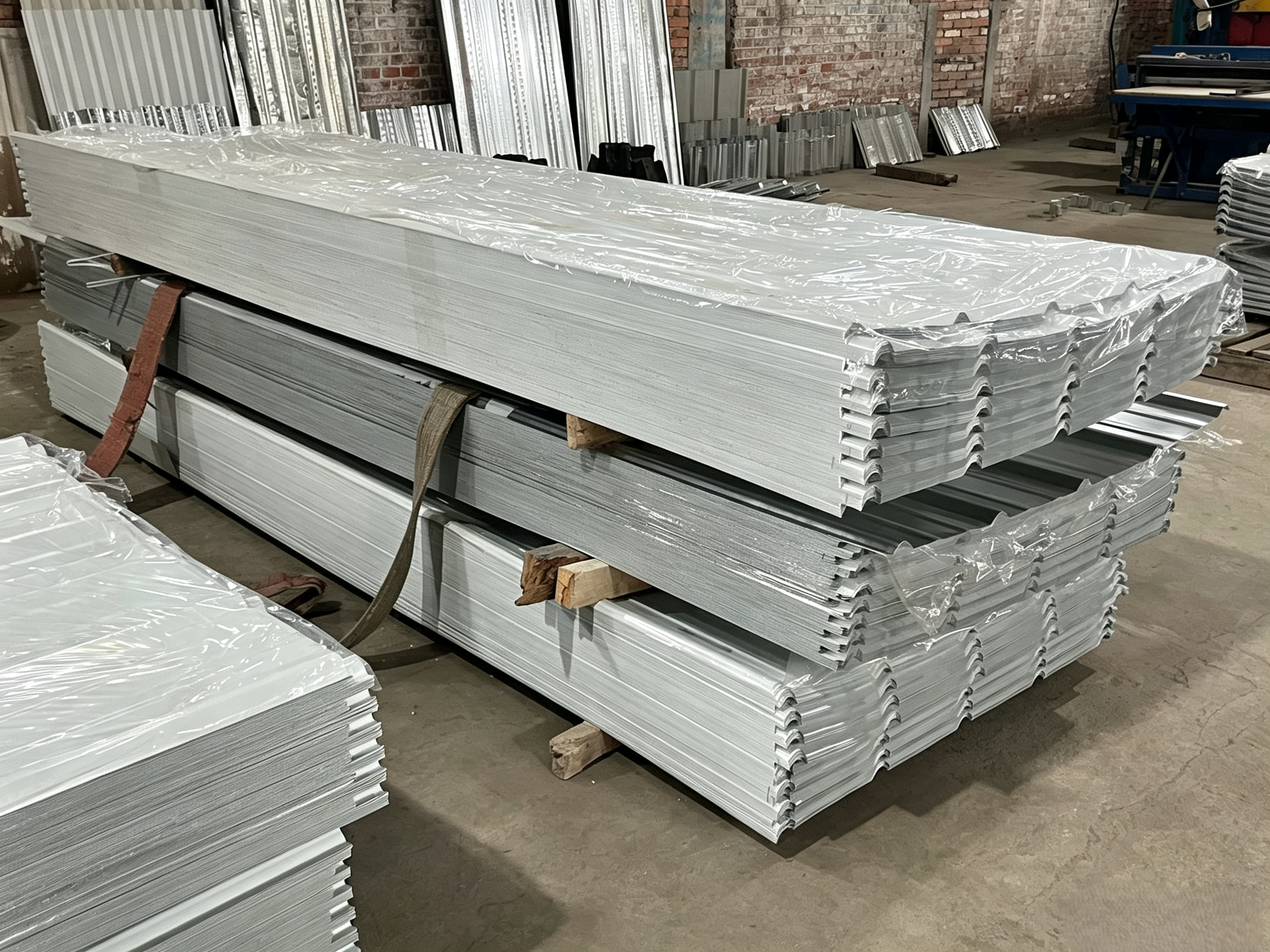
Panel  metal is a versatile building material widely used  in  various industrial and commercial  projects. This  product is  essential for constructing durable structures, including  warehouses,  factories, and  commercial buildings. B2B buyers, such  as  purchasing managers and engineers,  often seek  reliable solutions  that combine quality, cost-effectiveness,  and timely delivery. This article will  help you navigate  the  intricacies of sourcing panel metal,  understanding its applications, and addressing  common challenges in the procurement process.

Why choose Xingyuanxing panel metal

Our Products

Where to Find Reliable Suppliers for Panel Metal Solutions

Finding trustworthy suppliers for panel metal solutions is crucial  for ensuring product quality and service reliability. Start by exploring industry directories, trade shows,  and professional associations that  focus  on manufacturing  and construction. These platforms often feature reputable manufacturers  with a proven track  record. Consider checking out our selection of Galvanized Several-Shaped Steel Profiles 50*70mm For Greenhouse Frames for reliable options.

Tianjin Xingyuanxing Color Steel Structure Co., Ltd. has built a strong reputation  over the past decade in  the Beijing-Tianjin-Hebei  region, known  for its stable  quality  and efficient project services. When  evaluating  potential suppliers,  consider their manufacturing  capabilities, certifications, and customer references. It’s also advisable to  request samples to assess the product quality before  committing to a  larger order.

Frequently Asked Questions

Our Blog Posts

What Our Partners Say

Panel Metal Options for Bulk Purchases

Panel Metal Options for Bulk Purchases

When purchasing panel metal in  bulk,  there are various options  available that cater  to different applications and specifications. Common types of  panel metal include  insulated panels, single-skin panels, and sandwich panels, each designed for specific purposes. For instance, insulated panels are  ideal  for temperature-sensitive environments, while single-skin panels  offer a cost-effective solution for general construction needs. Additionally, you might want to explore Hot-Dip Galvanized I-beam Profiles 10# For Humid Industrial Workshops for further options.

Key factors  to consider when selecting panel metal include:

Material Specifications: Understand the differences in material quality, such  as galvanized steel or color-coated options, which influence durability and appearance. Dimensions and Thickness:  These specifications affect  the panel's strength and insulation properties. Ensure the dimensions meet your project  requirements. Customization Capabilities: Many suppliers offer customization options, allowing you  to specify dimensions, colors,  and finishes that align with your project needs.

By clearly defining your requirements, you can streamline  the procurement  process and ensure you receive the  most suitable panel metal for  your application.

Best Practices and Tips

Best Practices and Tips

Navigating the sourcing process for panel metal can  be complex, but following best practices can help streamline your efforts. Here are  some tips to consider:

Request Detailed Quotations: When reaching out to suppliers, provide comprehensive information about your project, including specifications,  quantity, and  delivery timelines. This helps  suppliers  offer accurate quotes and  reduces back-and-forth communication.

Verify Quality Control Processes: Ensure that your supplier has  robust quality  assurance practices  in place. This may include certifications, testing protocols, and  inspections throughout the manufacturing process.

Conduct Sample Tests: Before finalizing an order, request samples of  the  panel metal. This allows you to evaluate physical properties,  such as strength, insulation, and finish, under  actual operational conditions.

Establish Clear Communication:  Maintain  open  lines of communication with your supplier throughout the sourcing process. Address any concerns or changes in requirements promptly to avoid delays.

Be Aware of Lead Times: Understand the production and shipping timelines, as they can vary  significantly between suppliers. This is crucial for project scheduling and avoiding unexpected delays.

Implementing these practices can enhance your sourcing experience and lead to  successful project outcomes.

Applications of Panel Metal in Various Industrial Projects

Applications of Panel Metal in Various Industrial Projects

Panel metal is widely utilized across different industries due to  its  versatility and  performance characteristics. Common applications include:

Warehouses: Panel metal provides  excellent insulation and  durability, making it ideal for large storage facilities that require energy efficiency and  protection against the elements. Manufacturing Facilities: The  strength  and customizable nature of panel metal make  it suitable for  factories, where structural  integrity is  paramount. Insulated panels can help maintain controlled  environments for sensitive manufacturing processes.  Commercial Buildings: Retail  spaces and office buildings benefit from the aesthetic  appeal and ease of  installation associated  with panel metal. Custom finishes  can enhance the overall design while ensuring structural  reliability.

Understanding the specific requirements of your project and how panel metal can meet those needs is essential for making informed purchasing decisions.

Common Problems in Panel Metal Sourcing and Effective Solutions

Sourcing panel metal can present various challenges that buyers should be  aware of. Common issues include:


Inconsistent Quality: Variability in material quality between suppliers  can lead  to  project delays and increased  costs. To  mitigate this, focus on suppliers  with established quality control processes and relevant certifications.

Miscommunication on Specifications: Misunderstandings regarding dimensions or material properties can  result in unsuitable products being delivered. Always provide detailed specifications  and confirm them with the supplier before production begins.

Supply Chain Disruptions: Delivery delays can  occur due to logistical challenges  or unexpected demand fluctuations. Establishing strong relationships with suppliers and understanding their production capacities can help anticipate potential issues.

Customization Challenges: If your project requires specific customization, ensure  that the supplier has the capability  to  meet these needs. Discuss  customization options early in the  sourcing process to avoid complications.

By proactively addressing  these challenges, buyers  can enhance their sourcing experience and ensure the successful procurement of panel  metal for their projects.