Choosing the Right Metal Roof Decking for Your Project

application/metal-roof-decking, application/metal-roof-decking, 
Inquiry
Inquiry

metal roof decking

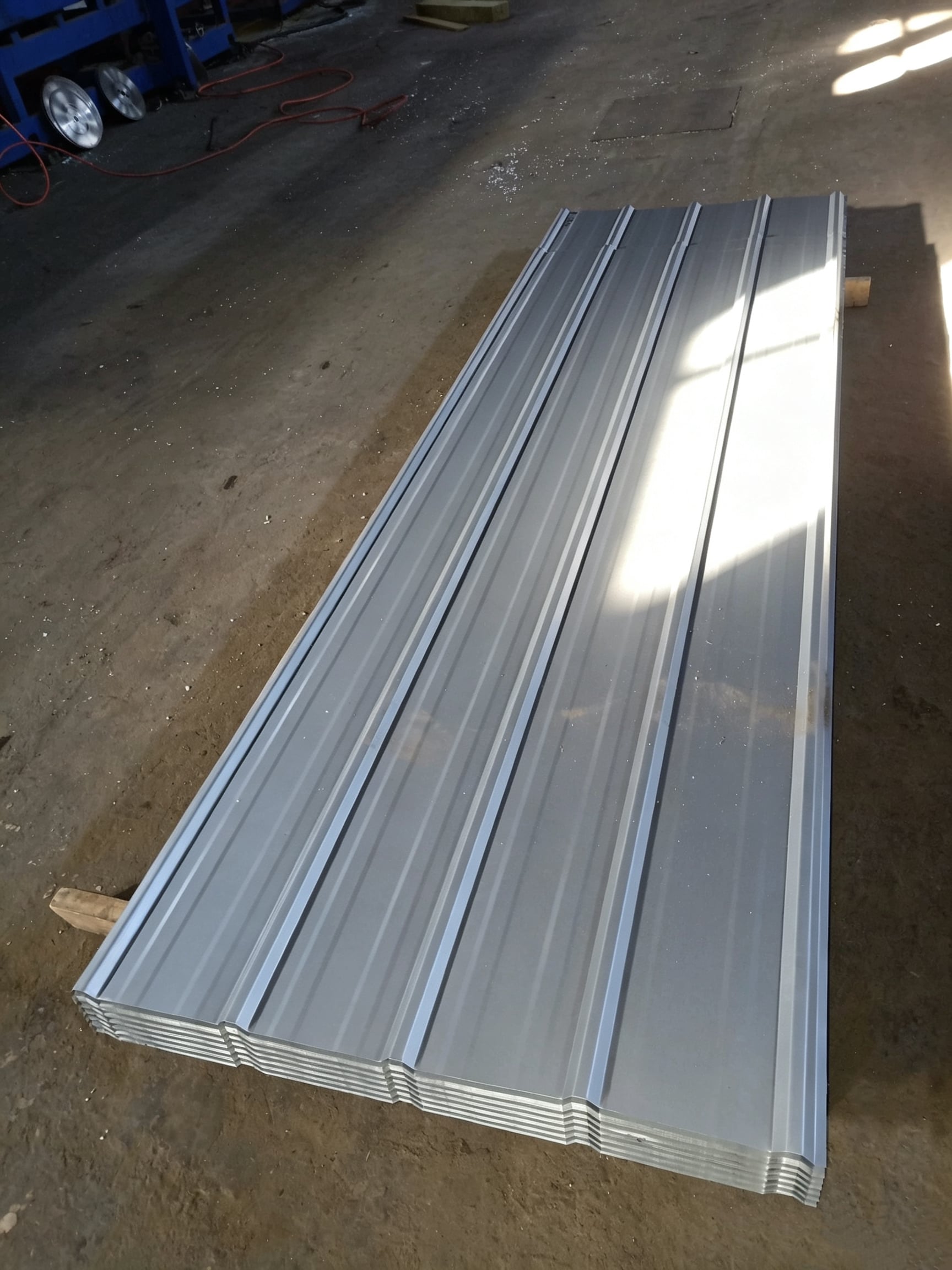
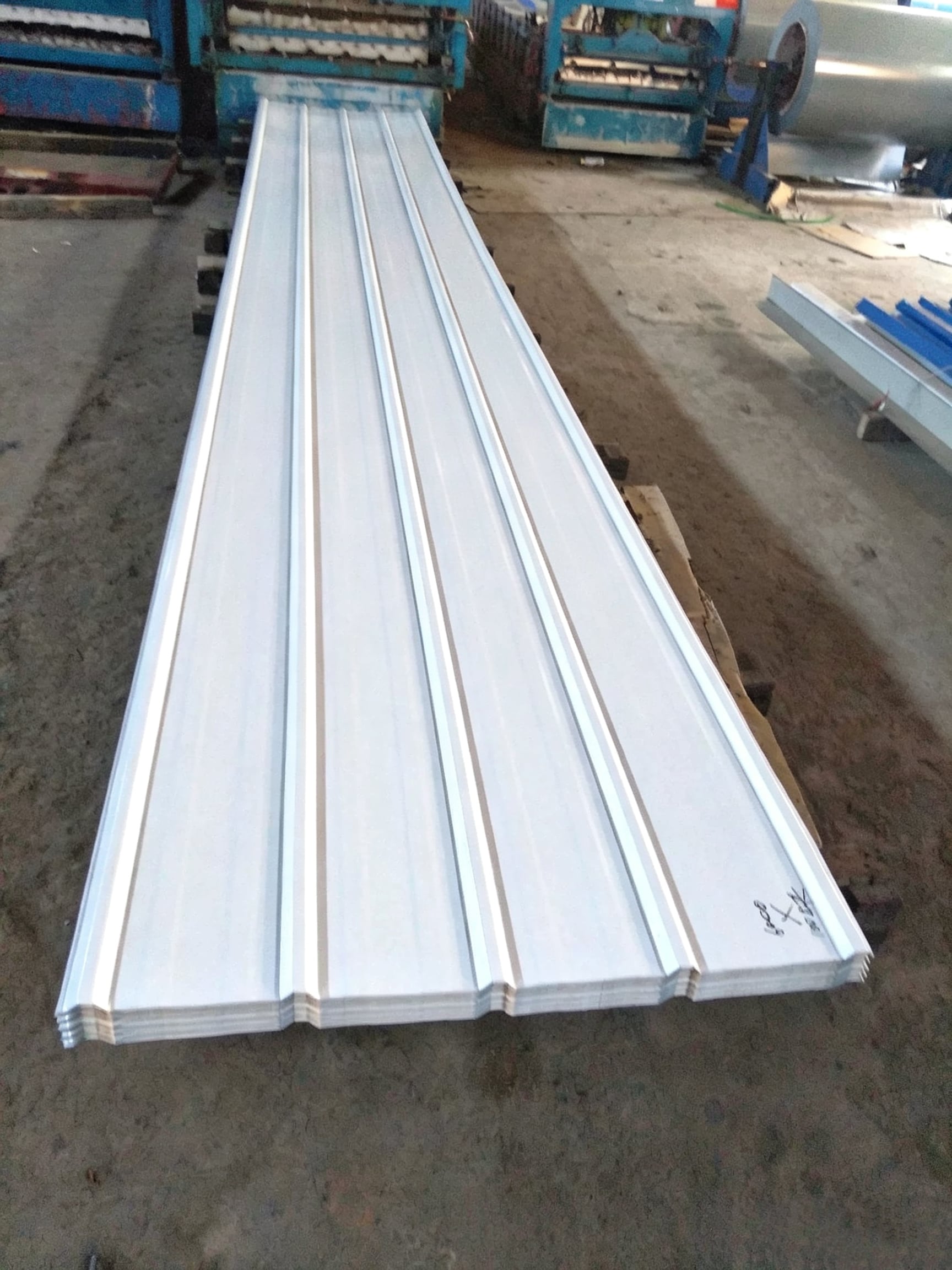
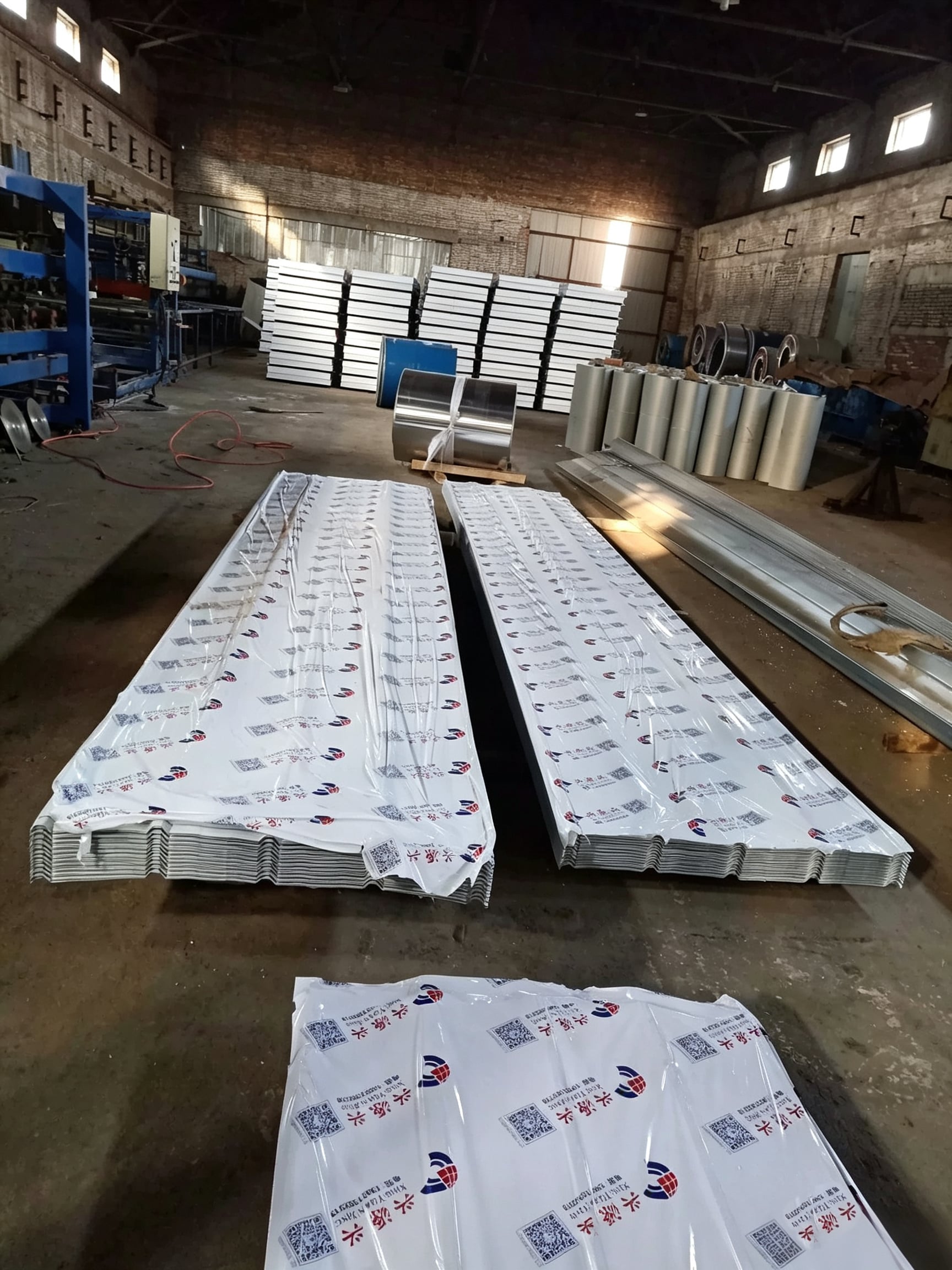
Metal roof  decking is a crucial component  in  the construction and  roofing  industries, serving as  a supportive  layer  for  roofs and  providing structural integrity to various building types. When selecting metal roof decking, purchasing managers and engineers  face several concerns,  including  material quality, specifications, cost, and  installation  requirements. This article  aims to equip readers  with  the insights needed to make informed  purchasing decisions regarding  metal roof decking.

Why choose Xingyuanxing metal roof decking

Our Products

How to Choose the Right Metal Roof Decking for Your Project

Choosing the appropriate metal roof decking involves understanding your project's specific requirements. Consider the  following factors:

Material Type: Metal  roof decking is typically made from galvanized  steel, aluminum,  or stainless  steel. Galvanized steel offers strength and corrosion resistance, making it ideal for various applications. Aluminum, while lighter, is often chosen for  projects requiring high corrosion resistance,  such as coastal  areas. If you are looking for galvanized products, you might consider Galvanized Several-Shaped Steel Profiles 50*70mm For Greenhouse Frames as a suitable option.

Deck Profile: Different profiles (e.g., composite  or non-composite) provide varying structural support and insulation properties. Composite deck profiles  can deliver enhanced load-bearing capabilities, which  may be necessary for heavy roofing materials.

Thickness and Gauge: The thickness of the decking affects its load capacity and overall performance. A thicker gauge  offers  better strength and durability but may also increase costs. It's essential to balance the gauge  with the project's structural requirements and budget.

Application Environment: Consider the environmental conditions in which the roof will  be installed. Factors such as moisture exposure, temperature variations, and the presence  of chemicals can dictate the material choice and protective coatings required. For instance, Hot-Dip Galvanized I-beam Profiles 10# For Humid Industrial Workshops could be a good fit for challenging environments.

A thorough analysis of these elements will help ensure  that the  metal roof decking meets the project's performance  expectations and complies with any applicable building codes.

Frequently Asked Questions

Our Blog Posts

What Our Partners Say

Key Specifications to Look for in Metal Roof Decking

Key Specifications to Look for in Metal Roof Decking

When evaluating metal roof decking products, certain specifications are pivotal to ensuring the material meets your project requirements:

Yield  Strength: This is a measure of the metal's strength and ability to withstand applied  loads without permanent deformation.  Higher  yield  strength is favorable for projects requiring enhanced load-bearing capabilities.

Coating Type: The type of protective coating can significantly influence the decking's durability  and  corrosion resistance. Hot-dip galvanization is commonly used,  but for more aggressive environments,  consider a pre-painted or polymer-coated surface.

Span Length: The allowable span between supports impacts the design and  cost of the structure.  Longer  spans  may reduce the number of required supports but necessitate  higher gauge decking for strength.

Fire Ratings: If fire safety is a concern, check for fire rating certifications. Certain metal deck types  can provide better fire  resistance, which is critical for compliance with building regulations.

Weight: The weight of the decking material  affects transportation costs and installation. Lighter materials can reduce overall  structural loads, which may  be beneficial in specific applications.

Understanding these specifications will help you assess the suitability of various metal roof decking options for your project.

Evaluating the Quality of Metal Roof Decking Products

Evaluating the Quality of Metal Roof Decking Products

Quality evaluation of metal  roof decking is essential for  ensuring long-term performance and reliability. Here are key aspects  to consider:

Manufacturer  Reputation: Research the manufacturer's history and reputation in the industry. Companies with established track records often have  rigorous quality control processes and can  provide  reliable products.

Certifications: Check for industry certifications such as ISO or ASTM compliance. These certifications can indicate adherence to quality and safety standards during production.

Sample Approval: Before placing a large order, request samples to inspect  the material's thickness,  finish,  and overall craftsmanship. This step  can prevent issues related to material performance  and appearance later in the project.

Quality Control Processes: Understand the manufacturer's quality control procedures.  Reliable manufacturers  will have systematic checks throughout  production to ensure consistency and quality in their products.

Warranty Offering: A good warranty can be  an indicator of the manufacturer's confidence in their product. Evaluate the terms of the warranty to ensure  adequate  coverage for potential defects.

By carefully assessing these quality indicators, you can mitigate risks associated with purchasing metal roof decking.

Understanding the Cost Factors in Metal Roof Decking Purchases

Understanding the Cost Factors in Metal Roof Decking Purchases

The cost of metal roof  decking can vary significantly based on several factors:

Material  Costs: The type of  metal (e.g.,  galvanized  steel vs. aluminum)  directly influences  the price. Additionally, the market price of raw materials can fluctuate, impacting final costs.

Gauge and Thickness: Heavier gauges and thicker materials generally come at a  higher cost. While investing in better materials can improve  durability, it's crucial to balance this against your budget constraints.

Customization: If your project requires customized sizes or  finishes, be prepared for potential cost increases. Customization  often entails additional manufacturing processes that can raise the overall price.

Volume of Purchase: Many  manufacturers offer discounts for bulk  orders. Understanding the minimum  order quantity  (MOQ) can help you take advantage  of these cost savings.

Shipping and Handling: Consider the cost of transportation and logistics. Shipping costs may vary based on the  distance from the manufacturer  and the volume of materials ordered.

Understanding these cost factors will help you budget effectively and  negotiate better terms with suppliers.

Common Installation Problems with Metal Roof Decking and Solutions

Installation of metal roof decking can  present challenges that, if not addressed, might affect the project's success. Here are  some common issues and their solutions:

Misalignment During Installation: Improper alignment can lead  to structural weaknesses. To prevent this, ensure that all supports  are level and that the decking is installed  according  to the manufacturer's guidelines.

Thermal Expansion: Metal can expand and contract with temperature changes, leading to buckling if  not properly accounted for. Use appropriate fastening systems and leave necessary gaps to accommodate movement.

Water Pooling: Improper sloping can cause water to pool  on the roof, increasing the risk of  leaks. Ensure that the deck slope meets the  minimum requirements to facilitate drainage.

Inadequate Insulation: If the metal decking is not insulated properly, it can lead to condensation issues. Consider thermal insulation options based on the specific environment and building  use.

Incorrect Fastening: Using the wrong type or number of fasteners can compromise the integrity of the roof. Always follow the  manufacturer's  recommendations for  fastening techniques.

Addressing these common installation  problems proactively can enhance  the performance and longevity of metal roof  decking in your projects.

By understanding the intricacies of metal roof decking—from selection and specifications  to quality evaluation, cost considerations, and installation challenges—purchasing managers and engineers can make informed decisions that  align with their project's goals.