Light Steel Building Construction: Key Considerations

application/light-steel-building-construction, application/light-steel-building-construction, 
Inquiry
Inquiry

light steel building construction

Light steel building construction has emerged as  a popular choice  for various projects due to its flexibility, durability, and  cost-effectiveness. As  businesses look for  efficient  construction  solutions, understanding key  factors such as  material specifications,  installation  processes, and supplier  reliability becomes crucial.  This  article addresses the essential considerations for choosing light steel  building  solutions,  outlines specifications, guides  installation, and explores applications across industries, helping  purchasing managers and project  planners make informed decisions.

Why choose Xingyuanxing light steel building construction

Our Products

What to Consider When Choosing Light Steel Building Solutions

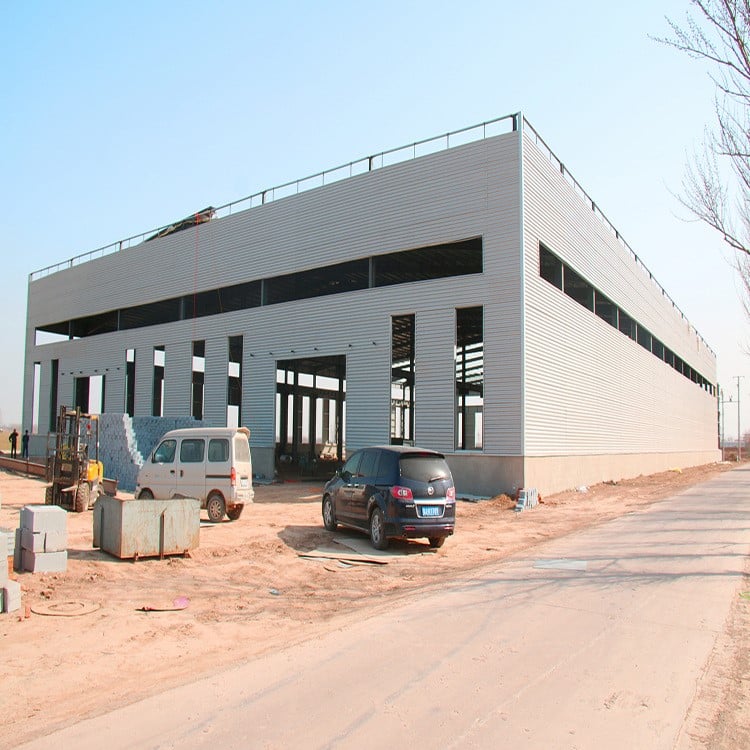
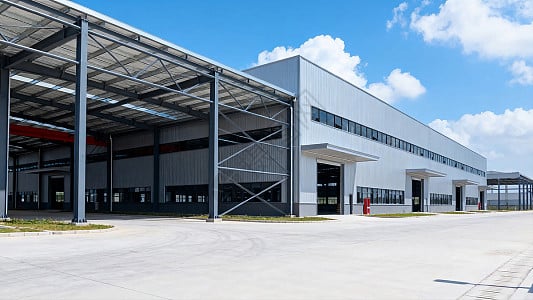
When selecting  light  steel building solutions, buyers should consider several factors to ensure they meet project requirements. First, assess the  structural design and load-bearing capacity needed for the intended use. Light steel structures  are often favored for their  strength and lightweight nature, making them  suitable for a variety of applications, from warehouses to commercial buildings. Additionally, exploring the Factory building of steel structure can provide insights into structural capabilities.

Next, evaluate material  quality. The  choice of steel grade affects durability and resistance to environmental factors.  It's essential to inquire about the source of the steel and any relevant certifications, such as compliance  with local building codes and standards. Additionally, consider customization options available from suppliers, as tailored solutions can better meet  specific project needs.

Lastly, supplier reliability is paramount. Look  for manufacturers  with a proven track record in the industry, like Tianjin  Xingyuanxing Color  Steel Structure Co.,  Ltd., which has a decade of experience in the  Beijing-Tianjin-Hebei region. A reputable supplier should  provide not only quality materials but also  efficient project services and support throughout the construction  process.

Frequently Asked Questions

Our Blog Posts

What Our Partners Say

Key Specifications for Light Steel Building Construction Projects

Key Specifications for Light Steel Building Construction Projects

Understanding the  specifications of light steel building construction projects is crucial for ensuring the structure meets performance and regulatory requirements.  Key specifications include:

Material Thickness: The thickness  of the steel  affects structural integrity. Common gauges  range from 14 to 20, with thicker materials providing greater strength but potentially increasing costs. Buyers should confirm the appropriate gauge  based on expected loads and environmental  conditions.

Dimensions: Accurate dimensions are  critical for design and  installation. Buyers  should provide detailed drawings and specifications to ensure  the elements fit together seamlessly during assembly.

Coating and Treatment:  Corrosion resistance is vital for extending the lifespan of steel  structures.  Buyers should inquire about the types  of coatings applied, such as galvanized or painted finishes, and their respective warranties.

Load Capacities: Understanding the load-bearing capacity, including dead loads (the weight of the structure itself) and live loads (occupants, furniture, etc.), helps in designing a safe and functional building. Suppliers can provide load charts based on  specific designs.

Fire Resistance: Depending on local regulations, fire  resistance ratings may be required. Buyers should verify  if the steel  has been treated or constructed to meet these standards.

By confirming these specifications,  buyers can ensure their light steel building project is both safe and compliant.

Where to Find Reliable Suppliers of Light Steel Structures

Where to Find Reliable Suppliers of Light Steel Structures

Finding a reliable supplier for  light steel structures involves thorough  research  and evaluation.  Start by identifying manufacturers with a strong  reputation in  the industry. Look  for companies  that provide comprehensive services, including design, fabrication,  and installation,  as this can streamline the project process. Additionally, exploring Secondary steel structure options can enhance project efficiency.

Trade shows and industry  events are valuable platforms for networking and discovering potential suppliers. Engaging with  industry peers can provide insights into reliable brands and their performance. Online directories and platforms also offer lists of  manufacturers, but it’s crucial to check reviews and testimonials.

Once potential  suppliers are identified, request samples or case studies of past projects. This allows buyers to assess the quality of materials and workmanship. Furthermore, ensure that suppliers are willing  to collaborate on customization  needs,  as this  can significantly impact project  outcomes.

 
Installation Guidance for Efficient Light Steel Building Projects

Installation Guidance for Efficient Light Steel Building Projects

Efficient  installation of light  steel buildings requires careful planning and coordination. Start by reviewing the construction drawings in detail to understand the assembly sequence. This helps identify  any potential  challenges before the actual installation begins.

It's advisable to conduct a site survey prior to construction.  Ensure  that the foundation is appropriately prepared to support the steel structure. Any misalignment or  foundation issues can lead to costly delays and modifications during the installation phase.

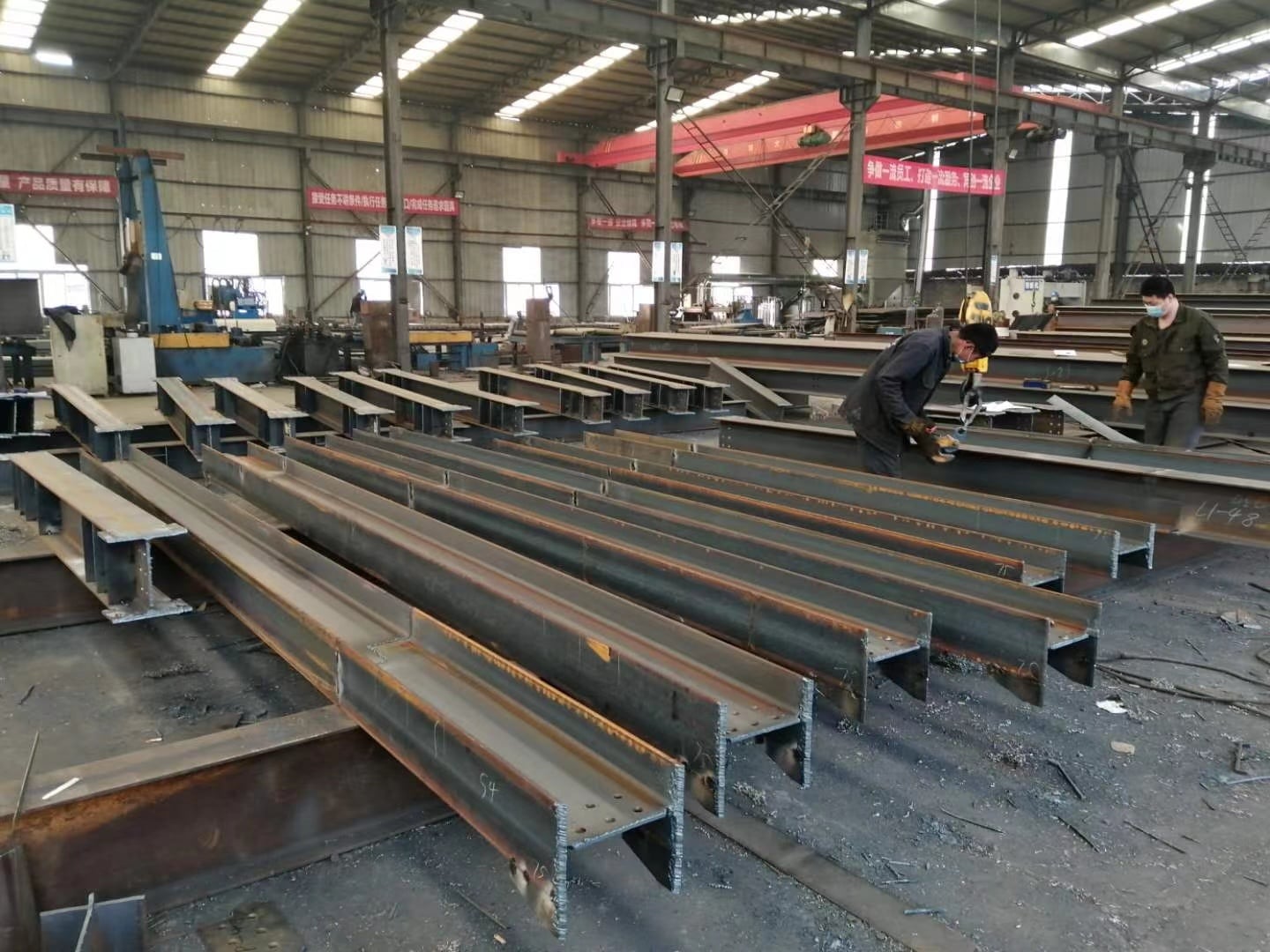
During installation, follow manufacturer guidelines closely.  Use the recommended tools and  techniques for joining steel components, such as welding or bolting. Coordination among labor teams is essential to maintain timelines and ensure quality workmanship.


Finally, implement  a quality  control process  during  installation. Regular inspections  and checks at various  stages  can  help  identify issues early,  preventing more significant problems down the line.

Applications of Light Steel Buildings in Various Industries

Light steel  buildings are versatile and  find applications across multiple industries due to their adaptability and efficiency. Here are some common applications:


Commercial Spaces: Many  retail outlets and  office buildings utilize light steel construction for  its quick assembly and design flexibility. This enables businesses to set up operations rapidly in competitive markets.

Industrial Facilities: Warehouses and manufacturing plants benefit from the durability and large spans achievable with light steel structures.  These buildings can accommodate significant machinery and storage requirements.


Agricultural Structures: Light steel buildings are increasingly utilized in agricultural settings, such as livestock shelters and storage facilities, where robust, low-maintenance structures are essential.

Residential  Construction: In the housing sector, light steel is gaining traction for modular homes and low-rise apartments. The speed of construction can significantly reduce  time-to-market  for home builders.

Sports Facilities: Gyms and sports complexes often incorporate light steel due to its capability to create expansive open spaces without intrusive columns.

Each application  presents unique requirements, and understanding  these can help  buyers select the right solutions for their  specific projects.


By addressing these key considerations,  specifications, supplier evaluations,  installation guidance, and applications, this  article serves as a comprehensive resource for purchasing managers and project planners looking to invest in light steel building  construction.