Choosing Light Gauge Steel Structures for Your Project

application/light-gauge-steel-structure, application/light-gauge-steel-structure, 
Inquiry
Inquiry

light gauge steel structure

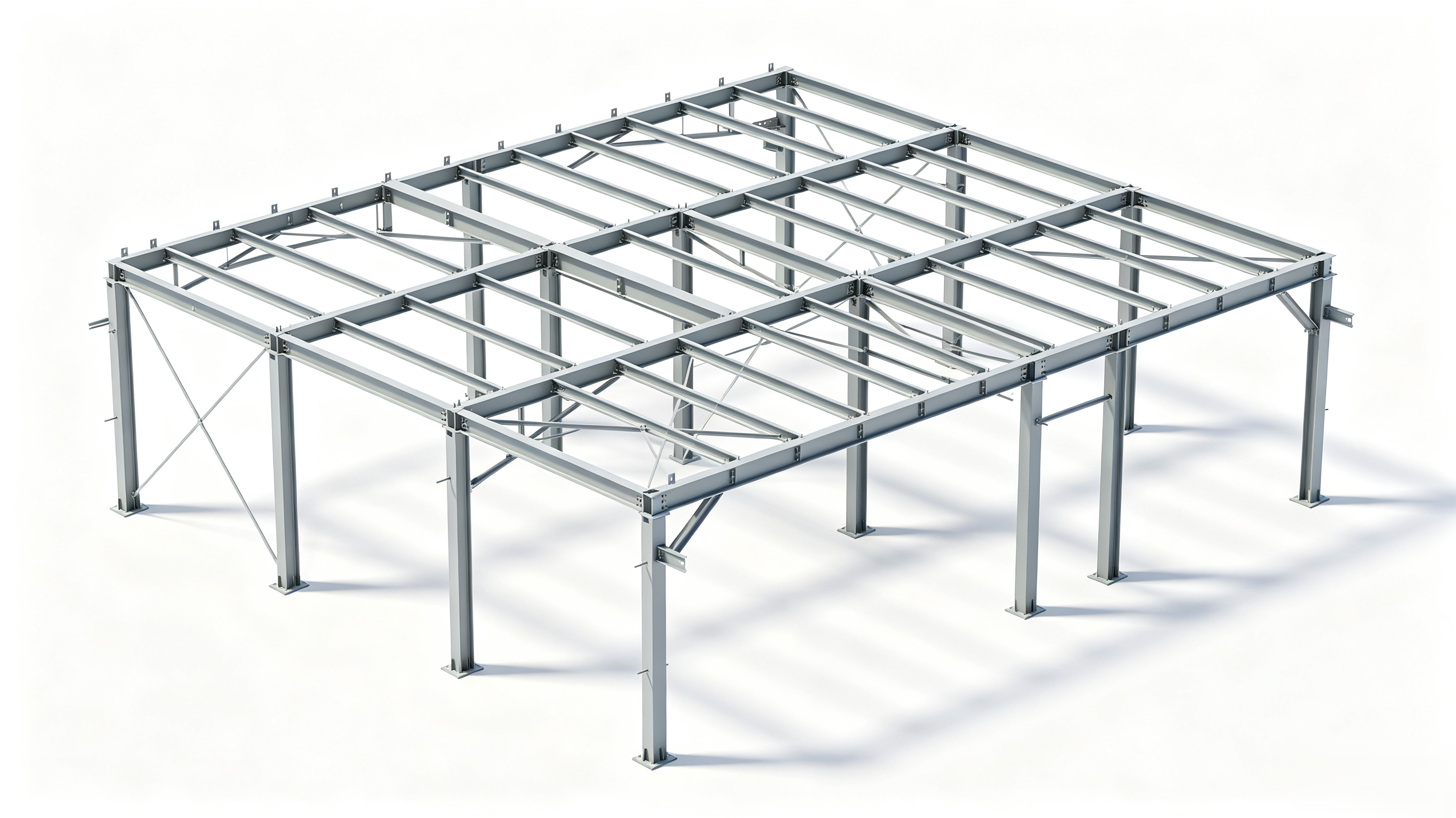
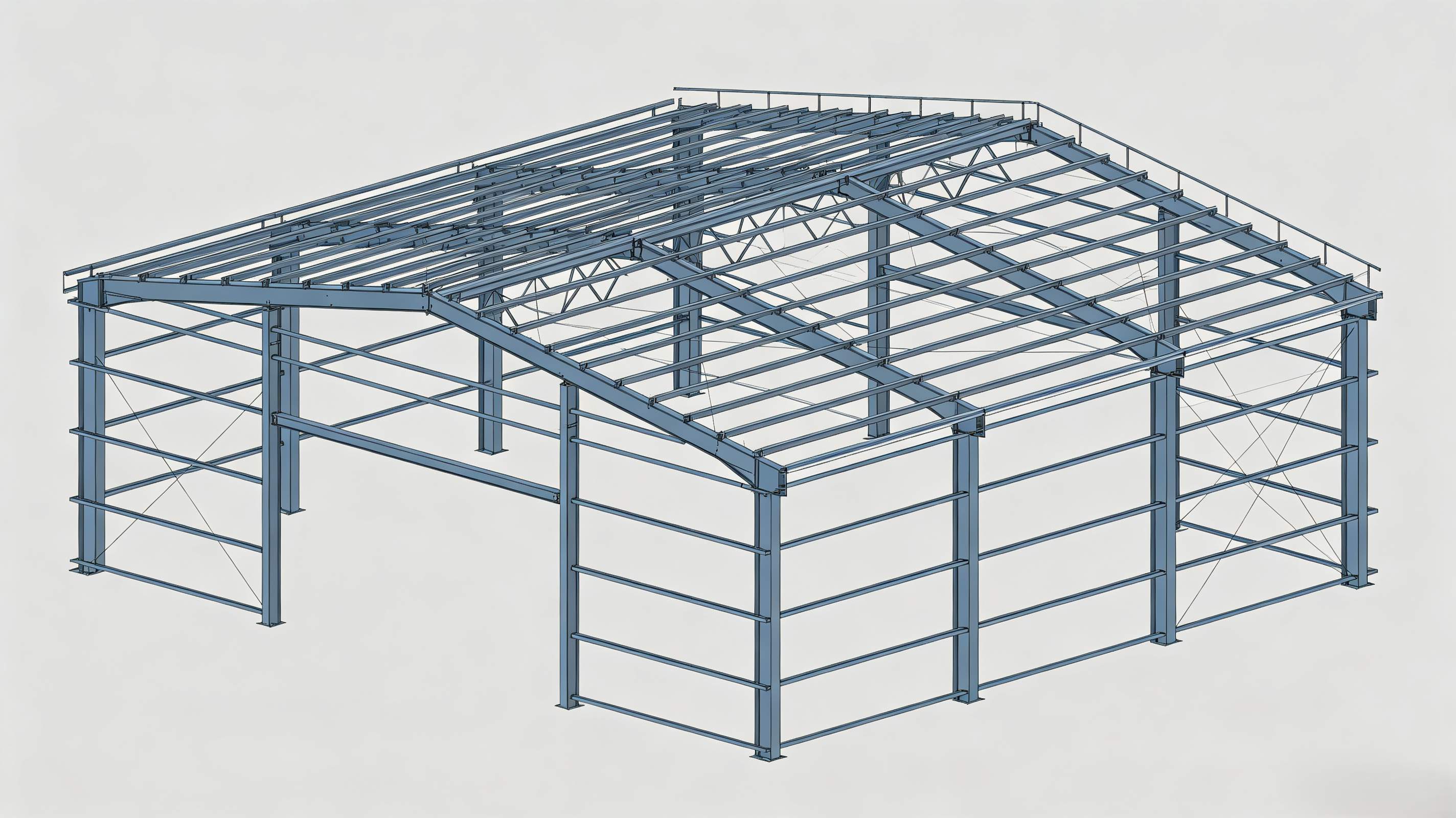
Light gauge steel structures  are an increasingly popular  choice in  construction due to  their  versatility  and  strength.  These structures, made from thin  sheets of steel, offer a lightweight and durable  solution for  a  variety of applications, including commercial buildings, industrial  facilities, and  more. As a  B2B buyer, you may have specific concerns regarding the specifications, quality control, and  purchasing options available to you. This  article aims to provide a  comprehensive understanding of light  gauge steel  structures, helping you make informed decisions for your projects.

Why choose Xingyuanxing light gauge steel structure

Our Products

Choosing the Right Light Gauge Steel Structure for Your Project Needs

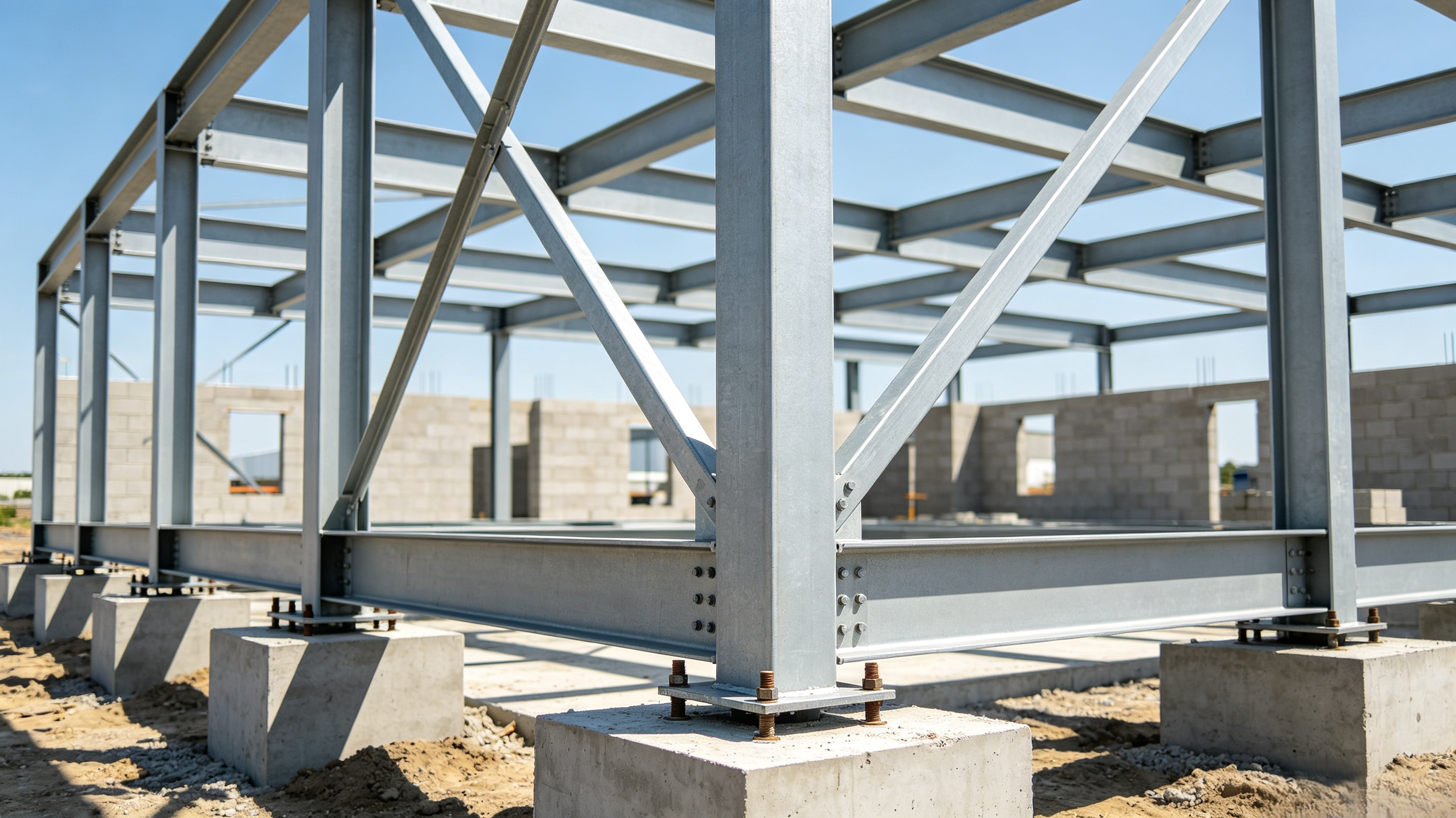
Selecting  the right  light gauge  steel structure involves understanding the specific requirements of your project. Consider factors such as  load-bearing capacity, environmental  conditions, and intended use. Structures must be designed to support the necessary weight  while also withstanding external forces like wind and seismic activity. Additionally, the design should  accommodate any local building codes  and regulations.

For example, if you  are constructing a commercial building  in a region  prone to  high winds,  you may require a structure  with enhanced bracing and anchoring systems. Collaborating  with a manufacturer experienced in  light gauge steel solutions, such as Tianjin  Xingyuanxing Color Steel Structure Co., Ltd., can help  ensure that  your structure meets all necessary specifications and requirements. You might also consider the Factory building of steel structure for optimal performance in your design.

Frequently Asked Questions

Our Blog Posts

What Our Partners Say

Wholesale Purchasing Options for Light Gauge Steel Structures

Wholesale Purchasing Options for Light Gauge Steel Structures

When considering wholesale purchasing options for  light gauge  steel structures, it's  essential to evaluate suppliers  based  on their capacity to meet your  demands. Look for manufacturers who offer flexible MOQ  (minimum order quantity) and can accommodate custom designs tailored  to your project's specifications.

Additionally,  inquire about lead  times and delivery options. A reliable  supplier should provide clear timelines for  production and shipping  to ensure  your project stays  on schedule. Tianjin Xingyuanxing,  with its  10 years of experience in the Beijing-Tianjin-Hebei region, is well-equipped  to offer timely  and efficient services, from design to installation.

Key Specifications to Consider in Light Gauge Steel Structures

Key Specifications to Consider in Light Gauge Steel Structures

Understanding the technical specifications of light gauge steel structures is crucial for ensuring they meet  your project's needs. Key specifications include:

Material Thickness: Typically measured in  gauges, thickness can affect the strength and weight of the structure. Thicker materials provide greater durability but may also increase costs.

Dimensions: The size of the  steel components needs  to be  compatible with your  design. Accurate dimensions ensure  proper fit during installation,  reducing the risk of costly errors.

Coating and Finish: Corrosion resistance is  vital for longevity,  especially in environments with high moisture or chemical exposure. Manufacturers  often use galvanized or painted  finishes to  enhance durability.

Load  Capacity: It's essential to confirm that the structure can  support the intended loads, including  live loads (occupants, furniture) and  dead loads (the weight of the structure itself).

Code Compliance: Ensure that the structure adheres  to local building codes and  standards, which can vary significantly by region.

Evaluating these specifications early in the purchasing  process can help prevent complications later on.

Common Problems with Light Gauge Steel Structures and Their Solutions

Common Problems with Light Gauge Steel Structures and Their Solutions

While light  gauge steel structures offer many advantages, there are common issues that buyers should be aware of. These include:

Corrosion: If not properly coated, light gauge steel is susceptible to  rust. To mitigate this risk,  ensure your supplier uses  high-quality coatings and offers advice on maintenance.

Misalignment During Installation: Precision in manufacturing is crucial to prevent  misalignment during assembly. Always  request a sample  for approval before mass production to ensure dimensions and fit are correct.

Insufficient Load-Bearing Capacity: If the structure is not  designed to handle  the required  loads, it may fail. Work closely with the manufacturer to confirm load specifications and test the structure  under anticipated  conditions.

Poor Quality Control: Inconsistent manufacturing  can lead to defects. A  reputable supplier should  implement robust  quality control processes, including inspections at various stages of production.

By understanding  these  issues,  you can proactively address potential problems and ensure the success of your project. Moreover, considering additional features like Wall system can further enhance the quality of your construction.

Cost Factors to Consider When Buying Light Gauge Steel Structures

Several cost factors come into play when purchasing light gauge steel structures. These include:

Material Costs: Prices can vary based on the  type of steel,  thickness,  and coatings used. It's essential to balance quality with budget considerations.

Customization Needs: Custom designs may incur additional  costs for manufacturing and tooling. Clearly outline your specifications  to  get accurate quotes.

Transportation and Logistics: Shipping  costs can impact your overall expenses. Consider the distance from the  manufacturer and any associated logistics when budgeting.

Installation  Fees: Depending on the complexity  of the structure, you may need to account for  labor  costs associated with installation. Discuss these costs with your supplier  to  get a comprehensive understanding of total expenses.

Long-Term Maintenance: While initial costs are  important, consider the long-term  maintenance  expenses that may arise from corrosion or structural issues. Investing in higher-quality materials may save  money in the long run.

By taking these factors into account, you can make a well-informed purchasing decision that aligns with your  budget and project requirements.