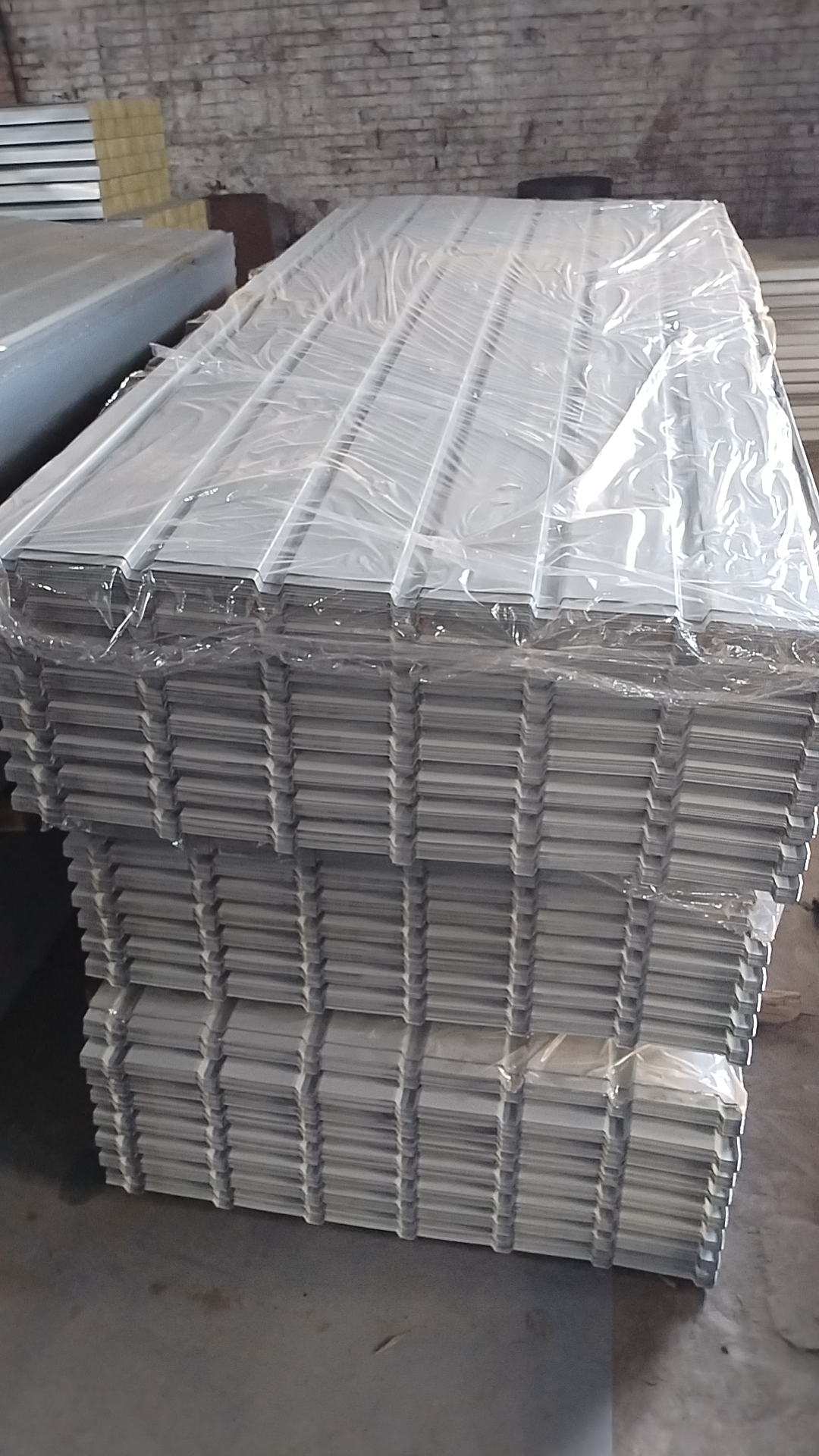
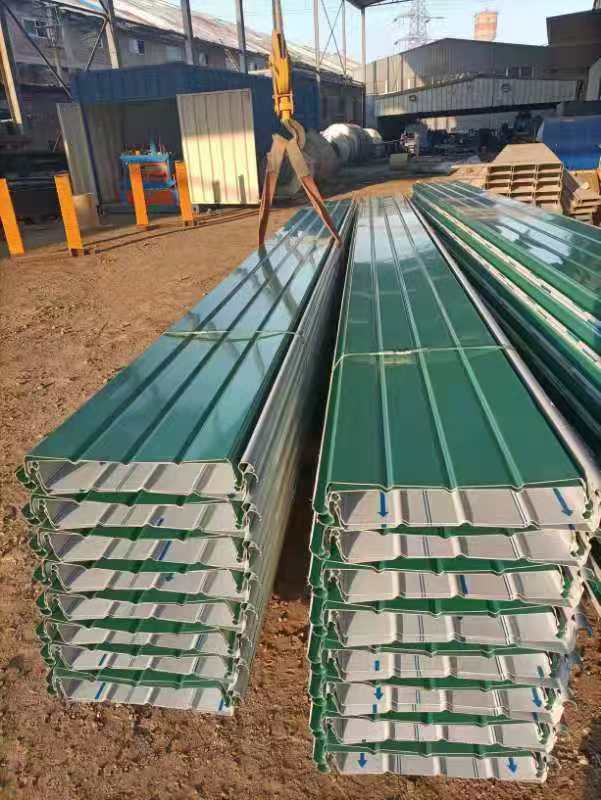
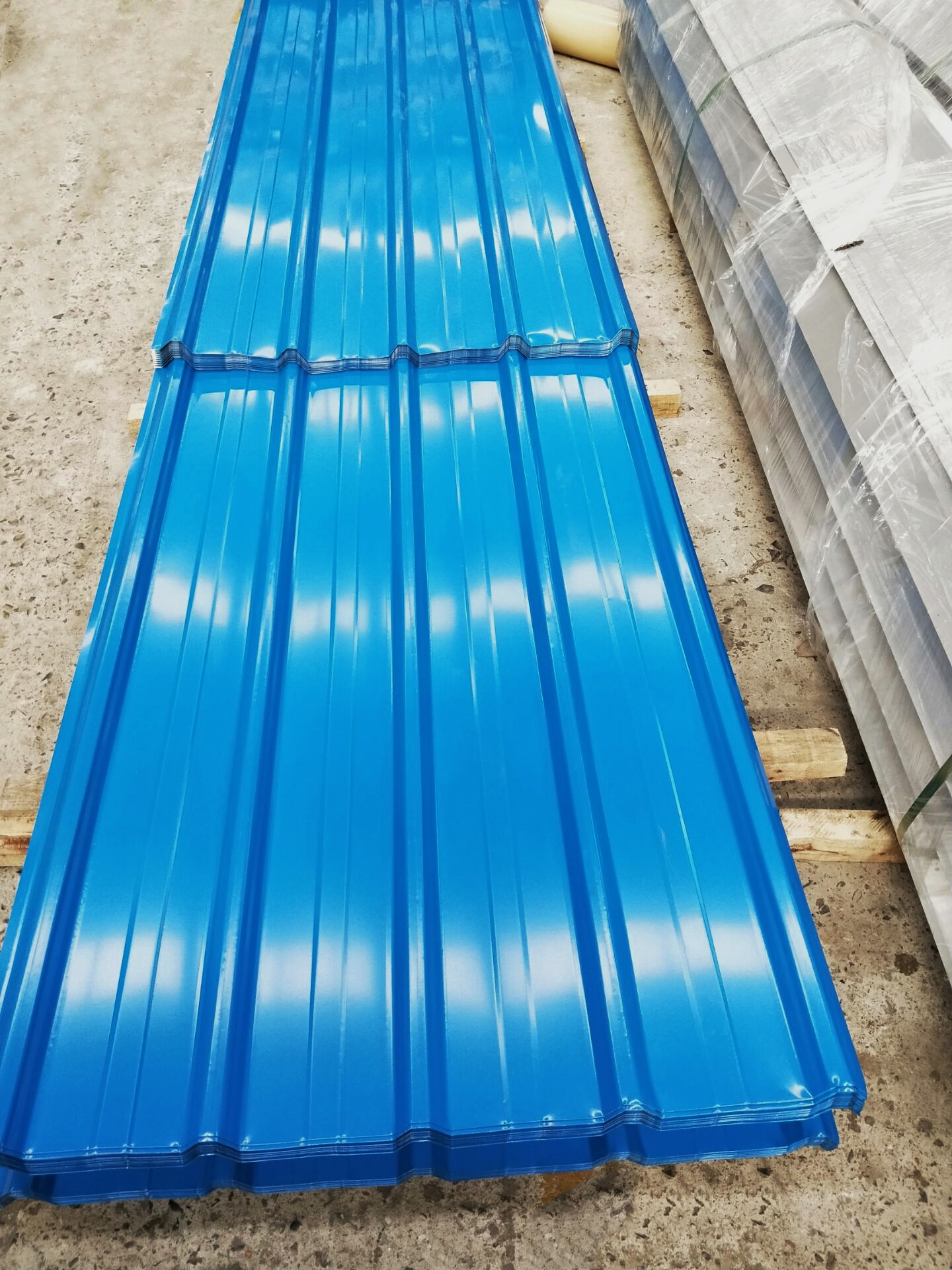
Evaluating Quality and Sourcing Fluted Sheets

application/fluted-sheet, application/fluted-sheet, 
Inquiry
Inquiry

fluted sheet

Fluted sheets are increasingly popular  in  various  industrial  applications  due to  their unique structural  properties and versatility. As  a B2B buyer, understanding  the quality,  sourcing options, cost  factors, applications, and supplier evaluation methods for fluted  sheets is crucial  for  making informed purchasing  decisions. This article aims to  provide practical insights and guidance to  help  you navigate the complexities of bulk purchasing fluted  sheets.


Why choose Xingyuanxing fluted sheet

How to Evaluate the Quality of Fluted Sheets for Wholesale Orders

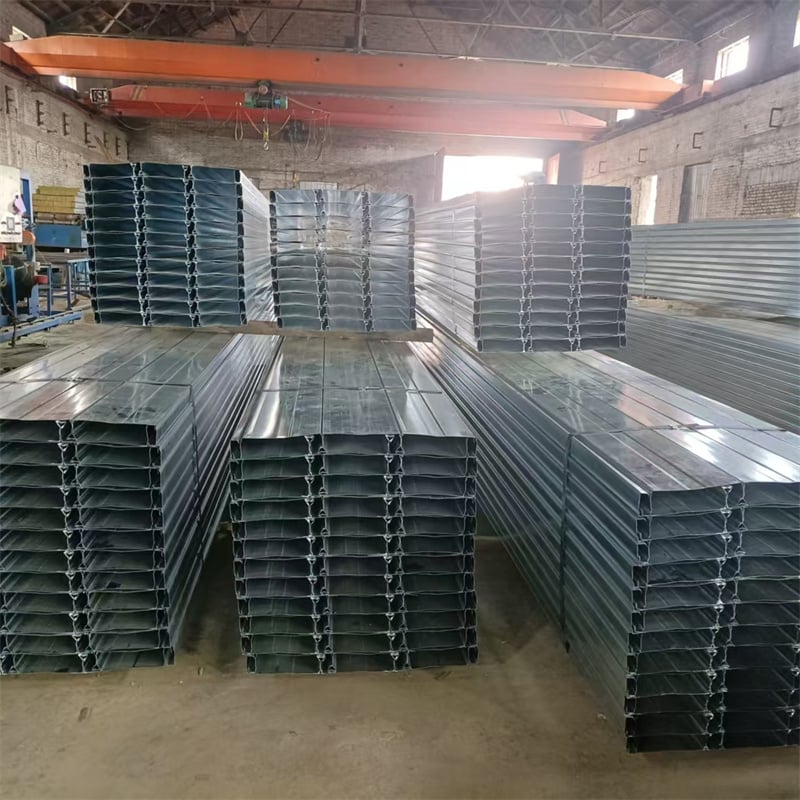
When evaluating the quality of  fluted sheets, several key specifications should be  considered. Thickness is one of the most critical factors, as it directly affects the sheet's  strength and  load-bearing capacity. A  thicker sheet may provide better durability, but it can also increase weight,  affecting handling and installation. Ensure that the  thickness meets the requirements of your specific application. Additionally, the choice of Secondary steel structure can influence the overall performance of the sheets.


Material choice is another essential factor. Fluted sheets  are typically made  from materials like polycarbonate, PVC, or metal. Each material offers different properties, such as UV resistance, impact strength, and thermal insulation. For instance, polycarbonate fluted sheets are known for their high  impact resistance and clarity, making  them ideal for applications where  visibility is important.

Quality control  processes during manufacturing also play a  significant role in determining the  final product's  quality.  Look for suppliers that implement strict quality assurance measures, such as ISO  certifications, to ensure compliance with industry standards. Additionally, buyers should request samples before placing large orders to evaluate the physical characteristics, such as surface finish and adherence to specifications, which helps confirm quality  before mass production.

Frequently Asked Questions

Our Blog Posts

What Our Partners Say

Where to Source Reliable Fluted Sheets for Bulk Purchasing

Where to Source Reliable Fluted Sheets for Bulk Purchasing

Sourcing reliable fluted sheets  for bulk purchasing involves identifying reputable suppliers. Manufacturers like Tianjin Xingyuanxing Color Steel  Structure Co., Ltd. can be  excellent options, as they  combine steel structure engineering design with color steel production and building material supply. Their  experience in the Beijing-Tianjin-Hebei  region enhances their  reputation for providing stable quality and efficient project services. Moreover, their expertise in Factory building of steel structure can further benefit your sourcing needs.

Buyers  can also consider  trade shows and industry exhibitions to  meet suppliers in person and view product samples. Online marketplaces and B2B platforms  can provide  a  wide  range of options, but  it's essential to vet suppliers carefully. Check customer reviews, request references,  and verify  their manufacturing capabilities  and certifications.

In addition, consider local suppliers to reduce shipping costs and lead times. Local sourcing can also facilitate easier communication and faster resolution  of any issues that may arise during the procurement process.

 
Cost Factors to Consider When Buying Fluted Sheets in Bulk

Cost Factors to Consider When Buying Fluted Sheets in Bulk

Understanding the cost factors involved in  purchasing fluted sheets is vital for budgeting and financial planning. The primary cost components include material type, sheet thickness, and order quantity.  For instance, specialized materials or  thicker sheets may come at a  premium compared to standard options.


Another crucial factor is the minimum order quantity (MOQ).  Some manufacturers  may have strict MOQs that can  affect pricing. Larger orders typically benefit from economies of scale, so negotiating for a bulk purchase can lead to cost savings. However, ensure  that your order volume aligns with your project  requirements to avoid excess inventory.

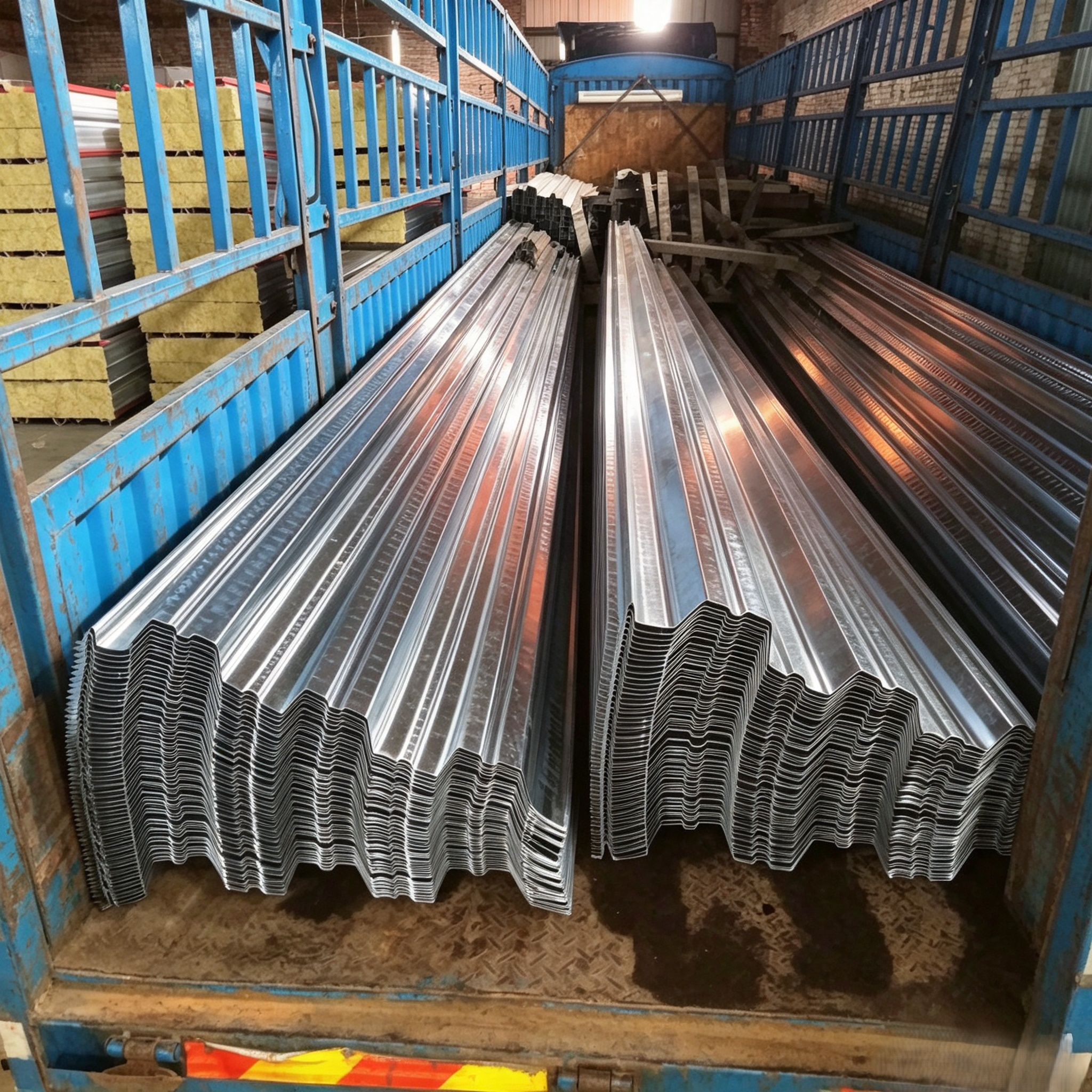
Shipping and handling costs should  also be factored into  the overall budget. Fluted sheets can be bulky, and transportation costs can vary significantly based on distance and logistics. Request quotes that include  all costs, from production to  delivery, to gain a clear understanding of the total expenditure.

Lastly, don’t overlook  potential customization costs. If your  project requires specific  dimensions or features, be sure  to  discuss customization options upfront, as these may  influence both lead times and pricing.

Applications of Fluted Sheets in Various Industrial Sectors

Applications of Fluted Sheets in Various Industrial Sectors

Fluted sheets find  applications  across a  range of industries due to their lightweight  yet  sturdy nature. In construction,  they are commonly used for roofing, wall cladding, and partitions, providing both structural support and aesthetic appeal. Their insulating properties also make them suitable for energy-efficient buildings.

In the agricultural sector, fluted sheets serve as  protective covers for greenhouses and livestock  shelters. Their  UV resistance  and durability ensure they withstand harsh environmental conditions while  allowing adequate light penetration for plant  growth.

Moreover, fluted sheets  are utilized in the packaging industry,  particularly for lightweight and protective packaging solutions. Their ability  to be  custom-sized for  different products makes them a versatile option for manufacturers looking to  optimize their packaging processes.

Transportation and logistics companies also leverage fluted sheets for their lightweight properties, using them in  the  fabrication of pallets and containers that require strength without added weight.

How to Compare Different Suppliers of Fluted Sheets Effectively

Effectively comparing suppliers of fluted sheets involves evaluating various criteria to determine which  one best fits your needs. Start by assessing their product range and specifications. Make sure they offer the materials and  dimensions relevant to your project.

Next, consider their production capabilities. Suppliers with  advanced  manufacturing equipment and  processes  can often provide  higher quality products with better consistency.  It's also beneficial to inquire about their production capacity,  especially if you anticipate ongoing  or large-scale orders.

Quality assurance practices are critical. Ask potential suppliers about their quality  control measures, including any certifications  they hold, such as ISO  or other industry-specific standards. This can provide reassurance regarding the reliability and performance of their products.

Finally,  take into account their  customer service and  support. A supplier that is responsive and willing to assist with inquiries or issues can make a significant  difference  in your purchasing experience. Consider reaching out for quotes and evaluating their responsiveness and willingness to provide additional information.

By taking a thorough approach  to supplier comparison, you can make more informed decisions  that align with your project specifications and business goals.