Evaluating and Sourcing Corrugated Sheets

application/corrugated-sheet, application/corrugated-sheet, 
Inquiry
Inquiry

corrugated sheet

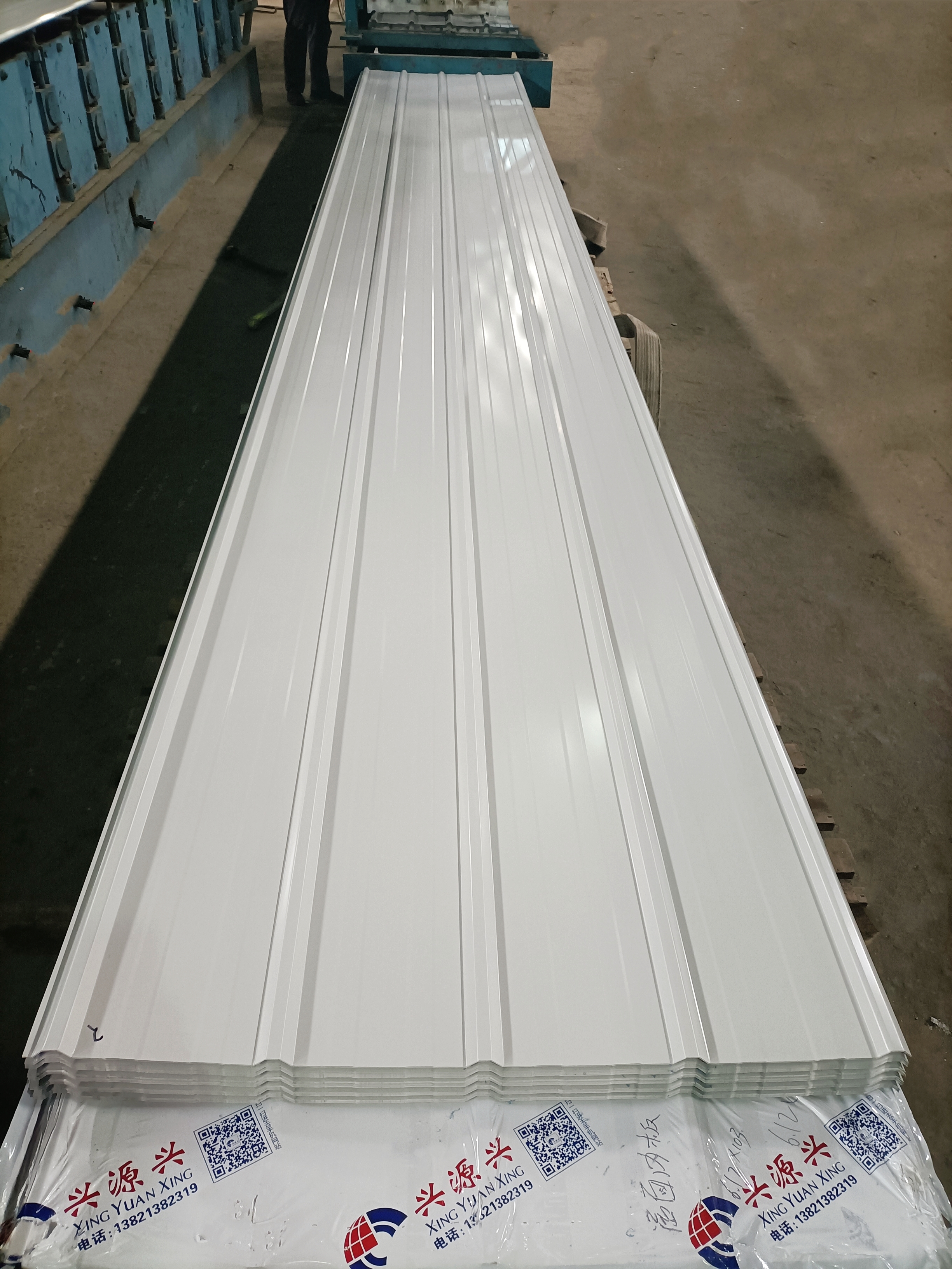
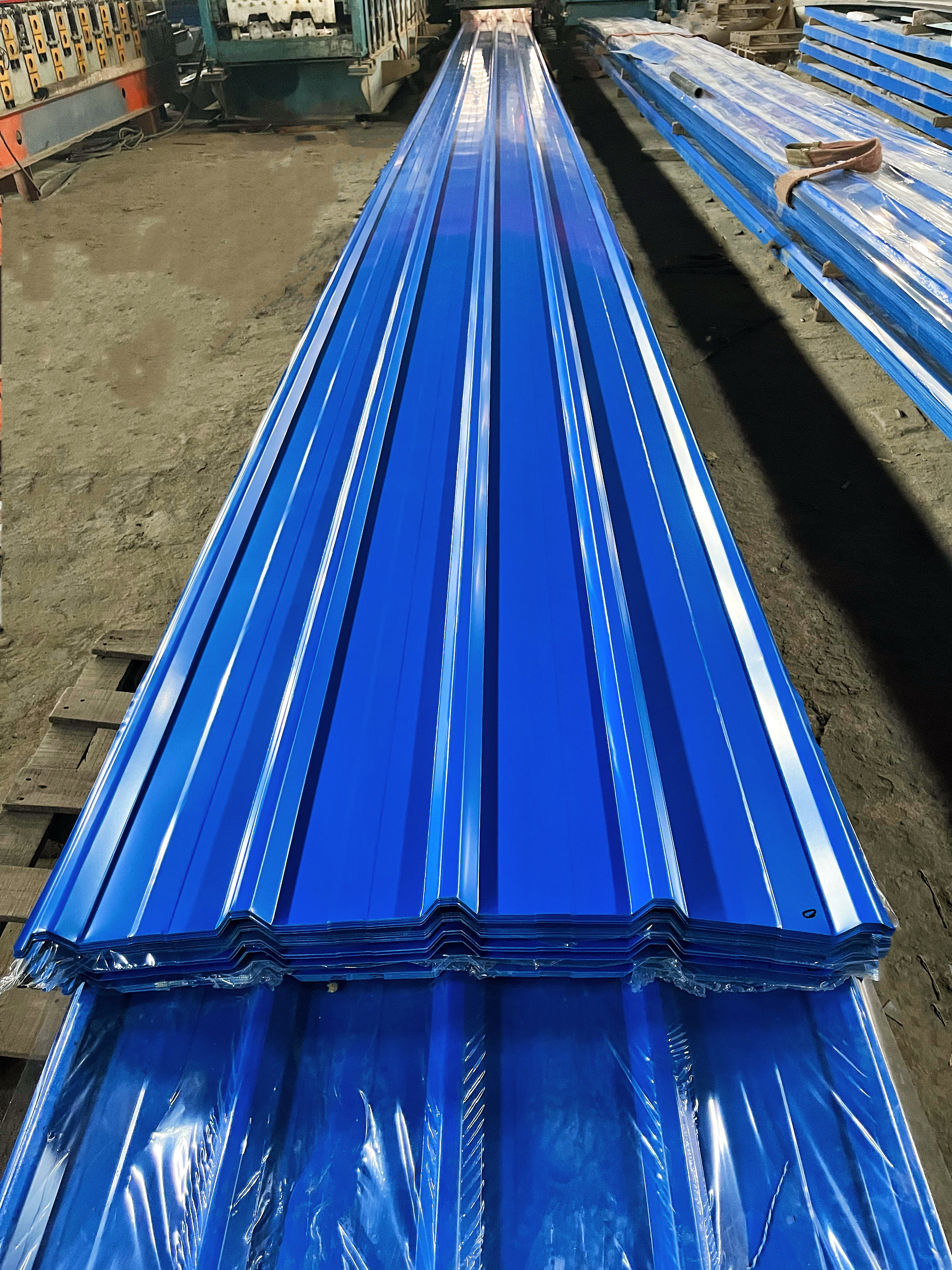
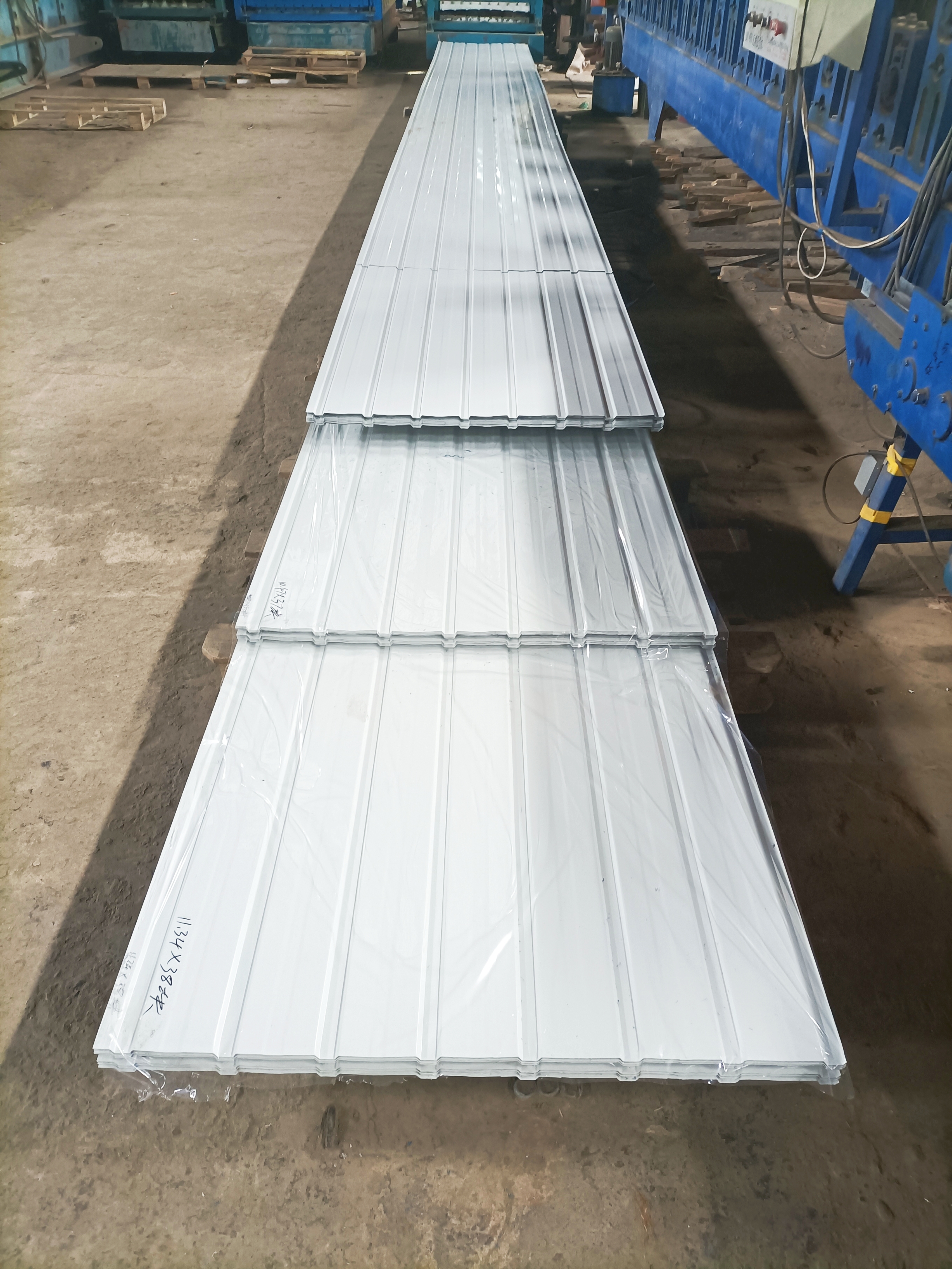
Corrugated  sheets  are versatile building materials commonly used in  various  construction and  industrial applications. Known for their strength, durability, and lightweight properties, these sheets offer effective  solutions for roofing,  wall cladding, and packaging. As a  B2B buyer, understanding  the quality, installation,  applications, and sourcing  of corrugated  sheets  is crucial  for  making  informed purchasing decisions. This article  will  guide  you through evaluating corrugated  sheets, ensuring you find the right product for your needs.

Why choose Xingyuanxing corrugated sheet

Our Products

How to Evaluate the Quality of Corrugated Sheet Products

When assessing the quality of corrugated sheets, several key factors should be considered:

Material Composition: Corrugated sheets  are typically made  from galvanized steel, aluminum,  or plastic. Each material offers different  benefits; for instance, galvanized steel is known for its strength and corrosion resistance, while aluminum is lightweight and resistant to rust. Assess your project's environmental conditions to  choose the appropriate material.

Thickness  and Profile: The thickness of the corrugated sheet directly impacts its strength and durability. Standard thicknesses range from 0.3 mm to 1.2 mm. Additionally, the profile (e.g., wave height and spacing)  affects  the sheet's load-bearing capacity and aesthetic appeal. Ensure that  the thickness and profile meet your specific load requirements. For large projects, consider integrating a Secondary steel structure to support the installation.

Surface Treatment: Coatings such  as  PVC, polyester, or epoxy  can enhance the corrosion resistance and longevity of corrugated sheets. Always verify the type of surface treatment used and its suitability for your application, especially in harsh environments.

Certifications and Standards: Look for compliance with industry standards such as ISO or ASTM. These certifications indicate that the products have undergone rigorous testing for  quality and performance.

Quality Control Processes: Insight into the manufacturer’s quality control measures is essential. A  reputable manufacturer, like Tianjin Xingyuanxing Color Steel Structure  Co., Ltd., implements  strict quality checks throughout  the production process, ensuring consistent  quality  in every batch.

Frequently Asked Questions

Our Blog Posts

What Our Partners Say

Installation Guidance for Corrugated Sheets in Construction

Installation Guidance for Corrugated Sheets in Construction

Proper installation  of  corrugated sheets is crucial to ensure their performance and longevity. Here are essential steps and  considerations:

Site Preparation: Ensure  that the  installation site is clean and dry. Any debris can  affect the  adhesion and sealing of the sheets.

Fastening Techniques:  Use appropriate fasteners designed for the specific material of the corrugated sheets. For example, self-drilling screws are suitable  for metal sheets, while plastic sheets may require different fastening methods. Position fasteners at the crest of  the corrugation to prevent leaks.

Overlap and Sealing: Overlap sheets according to the manufacturer's guidelines to prevent water ingress. Additionally, apply sealants  or flashing where necessary to  enhance waterproofing.

Temperature Considerations: Be aware of temperature changes  during installation. Corrugated sheets may expand or contract,  so avoid over-tightening  fasteners.

Safety Precautions: Always follow  safety protocols during installation. Use appropriate personal protective equipment (PPE)  and employ safe  ladder  practices.

Applications of Corrugated Sheets in Various Industries

Applications of Corrugated Sheets in Various Industries

Corrugated sheets are utilized across multiple  industries due to their versatility:

Construction:  Used for roofing and wall cladding in residential and  commercial buildings, providing  structural strength  and aesthetic appeal.

Agriculture: Often  employed in the construction of barns, storage  facilities, and greenhouses due to their durability  and weather resistance.

Packaging: Corrugated sheets are  also prevalent  in the packaging  industry. They provide lightweight,  strong, and moisture-resistant protective packaging for  shipping various products.

Transportation: In the automotive sector, corrugated sheets  serve as protective liners in  transporting goods, safeguarding against damage during transit.

Manufacturing: Used in creating temporary enclosures or partition walls in factories  or warehouses, offering  flexibility and cost-effectiveness.

How to Compare Different Types of Corrugated Sheets Effectively

How to Compare Different Types of Corrugated Sheets Effectively

When comparing various  corrugated sheets, consider the following criteria:

Material Type: Different materials  (steel,  aluminum, plastic) have  unique properties. Assess your project's  specific requirements, including weight, weather resistance, and expected lifespan.

Thickness and Gauge:  Thicker sheets generally  offer higher strength and durability.  Compare gauges  (the lower the number, the thicker the sheet) to ensure the sheets meet your structural needs.

Cost vs. Performance:  While lower cost may be appealing, consider the long-term  performance and  maintenance costs of the sheets. Sometimes, investing  in higher-quality options can save money on repairs and replacements in the future.

Supplier Reputation: Evaluate suppliers  based  on their manufacturing capabilities,  customer feedback, and industry experience. Choosing a reputable supplier like Tianjin Xingyuanxing Color Steel Structure Co., Ltd. can ensure reliable quality and service.

Customization Options: Consider whether the supplier  provides customization in terms of dimensions,  colors, or surface treatments to  better suit your project requirements.

Where to Source Reliable Corrugated Sheets for Your Needs

Finding reliable sources for  corrugated  sheets involves several steps:

Research Manufacturers: Look  for manufacturers with a proven track record  in producing high-quality corrugated sheets. Review their experience, product range, and customer  testimonials.

Request Samples: Before placing a large  order, request samples to evaluate the quality and suitability of the sheets for your specific application.

Assess Lead Times: Inquire about production lead times and delivery schedules to  ensure they  align with your project timelines. A  reliable supplier should provide clear information about their manufacturing capabilities and timeframes.

Minimum Order Quantity  (MOQ): Check the supplier's MOQ  policies. Understanding the MOQ can help you  plan your budget and inventory levels effectively.

Explore Certifications: Ensure that the supplier’s  products comply with relevant industry standards and certifications. This  compliance indicates a commitment to  quality and safety.

By  following these guidelines, B2B buyers can effectively  navigate the process of sourcing corrugated sheets, ensuring they  choose the  right products for their construction or manufacturing  needs.