Key Considerations for Purchasing Metal Buildings

application/building-metal-buildings, application/building-metal-buildings, 
Inquiry
Inquiry

building metal buildings

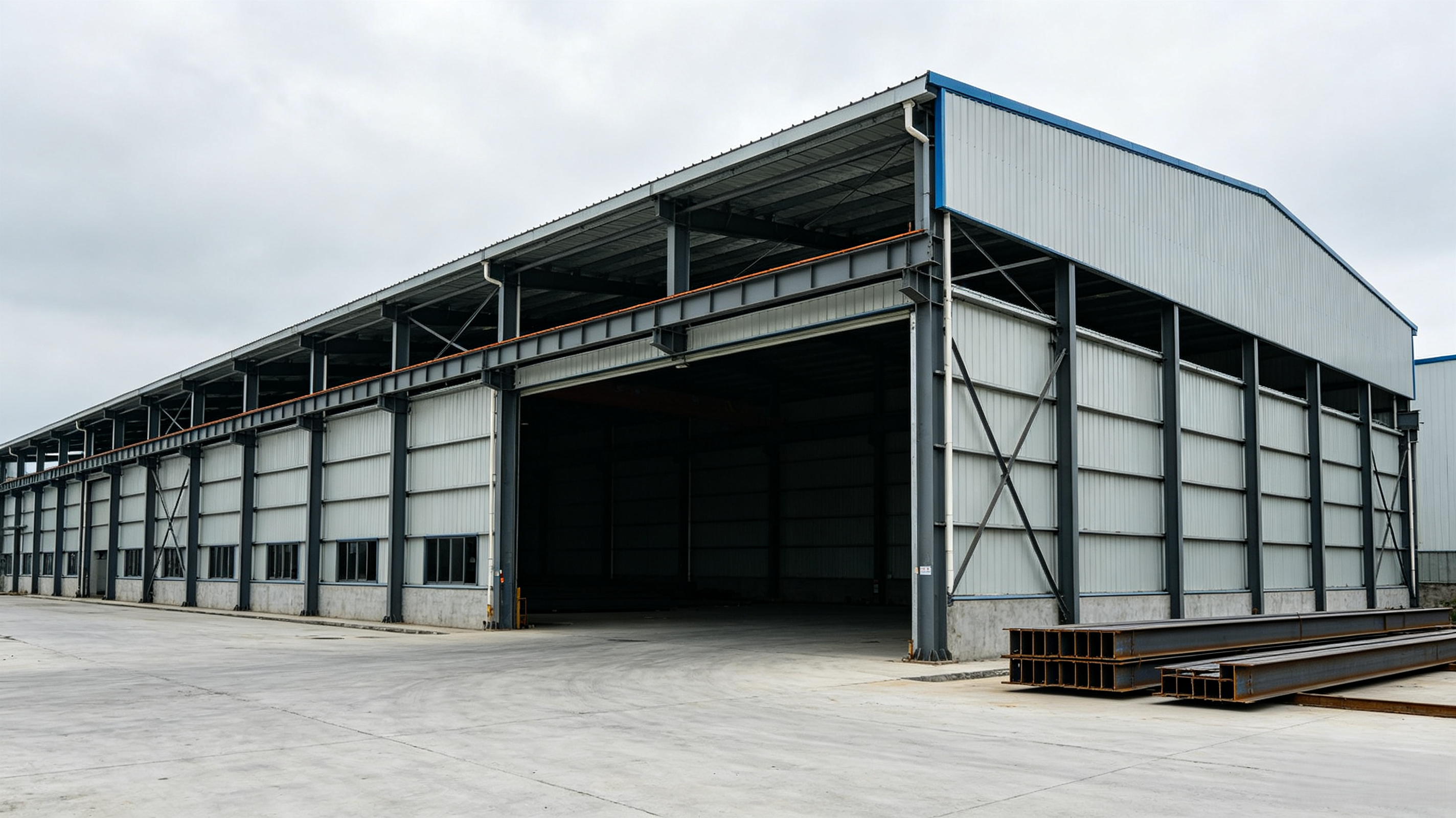
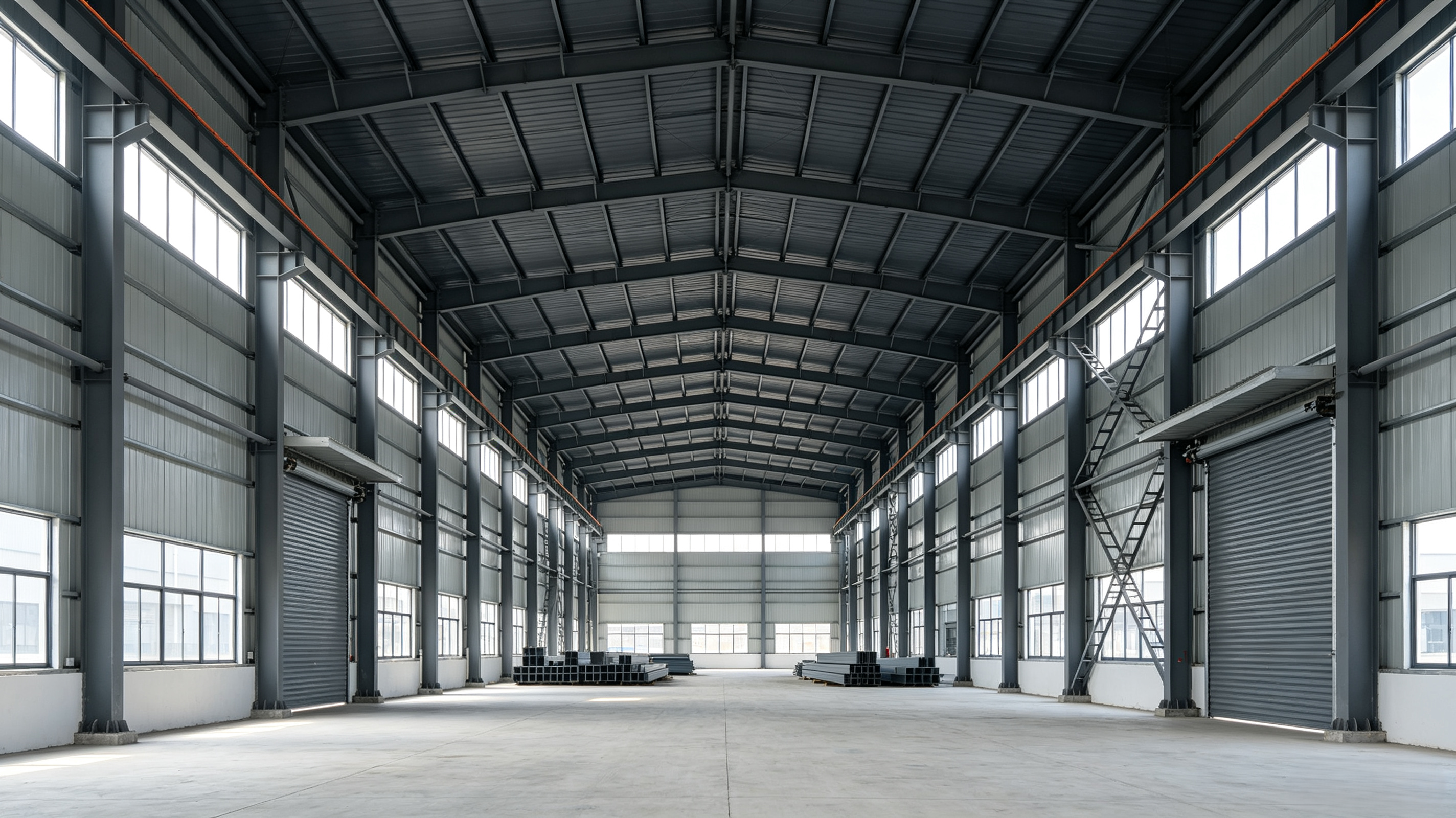
When  considering the construction  of a  facility, purchasing metal buildings can be  a  compelling option for many  businesses. Metal  buildings offer  durability, cost-effectiveness,  and versatility  for various applications, from warehouses  to workshops. However, B2B buyers, including purchasing  managers and  project engineers, often face challenges  in  selecting suitable products for their needs.  This article will explore key considerations  when  sourcing metal buildings, reliable suppliers, installation guidance,  common  sourcing problems, and the benefits of these structures.

Why choose Xingyuanxing building metal buildings

Our Products

What to Consider When Choosing Metal Buildings for Wholesale Purchase

When purchasing metal buildings, several factors should  guide your decision. First,  consider the specific application of the building. Different applications—such as commercial storage, manufacturing, or agricultural use—may require unique design specifications, including load capacity and  environmental resistance.  For example, using Galvanized Several-Shaped Steel Profiles 50*70mm For Greenhouse Frames can be advantageous in agricultural settings.

Next, evaluate the materials used in construction.  Common materials for metal  buildings include cold-formed  steel, galvanized steel, and  aluminum. Each has its  advantages: for instance, galvanized steel  provides  excellent corrosion resistance, making it ideal for environments with high  moisture or chemical exposure.

Additionally, the building’s design must comply with local building  codes and regulations. This often includes  wind load requirements,  snow load  considerations,  and fire safety standards. Be sure to consult  with your supplier about the certifications and  compliance documents related to the buildings they offer.  For instance, No-Concrete Galvanized Steel Floor Deck Q235B For Rapid Mezzanine Construction can help in meeting specific load and safety requirements.

Lastly, assess customization  options. Many suppliers, including Tianjin Xingyuanxing Color Steel Structure Co., Ltd., offer tailored solutions to meet specific project requirements. Custom features might include different sizes, colors, or additional structural elements, which can impact both cost and lead time.

Frequently Asked Questions

Our Blog Posts

What Our Partners Say

Where to Find Reliable Suppliers of Metal Building Materials

Where to Find Reliable Suppliers of Metal Building Materials

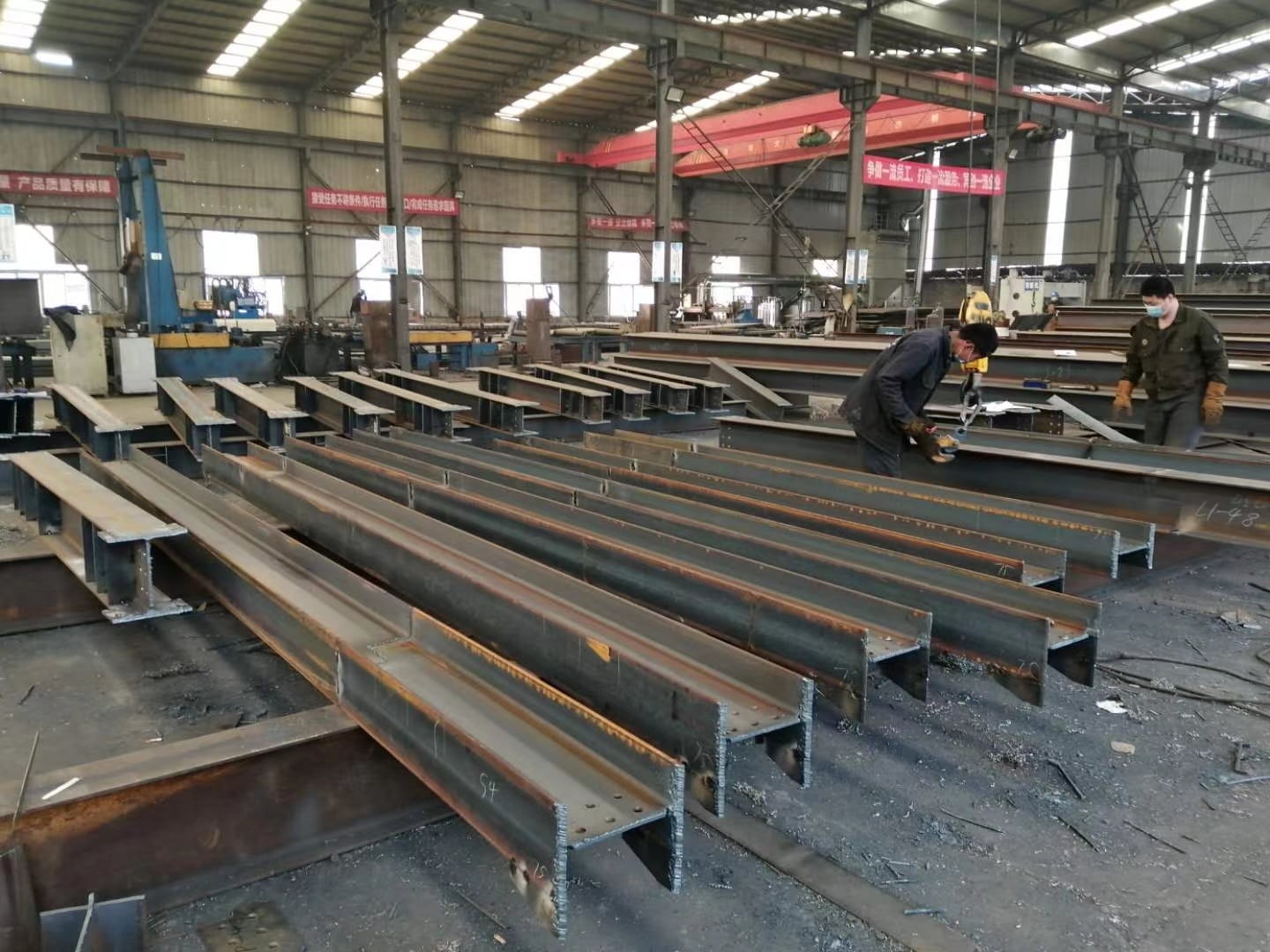
Finding  trustworthy suppliers  for metal building materials involves thorough research and evaluation. Start by identifying manufacturers with a strong reputation in the  industry. Look for companies like Tianjin Xingyuanxing  Color Steel Structure Co., Ltd., known  for their stable quality  and  efficient  project  services.

Online industry directories, trade shows, and networking with  other professionals in the field can  also help you locate potential suppliers. When assessing suppliers, request references and review  case studies of completed projects. Additionally, consider  their  experience in your specific geographic area; local suppliers  may  better understand regional building  codes and  logistical challenges.

Once you have a shortlist of potential suppliers, initiate discussions regarding pricing, minimum order quantities (MOQ), lead  times, and product variations.  This will help you better understand their capabilities and responsiveness to your needs.

Installation Guidance for Efficient Assembly of Metal Buildings

Installation Guidance for Efficient Assembly of Metal Buildings

Efficient  assembly of metal buildings is crucial to minimize downtime and ensure safety on the job site.  Before  installation begins, it is essential  to carefully review the assembly instructions provided by the manufacturer. Each metal building design may come with specific requirements regarding  foundation preparation,  anchoring methods, and structural alignment.

Pre-assembly checks can significantly  reduce on-site complications. Ensure that all components, such as panels, beams, and fasteners,  are accounted  for and in good condition before installation. This includes verifying that dimensions  match the specifications agreed  upon during the procurement process.

Additionally,  consider employing experienced installers familiar with  metal building  systems. Their expertise can help  mitigate common installation issues, such as misalignment or inadequate securing of components. After  installation,  conducting a thorough inspection  is crucial  to identify any  structural issues that may arise from improper assembly.

Common Problems When Sourcing Metal Buildings and Their Solutions

Common Problems When Sourcing Metal Buildings and Their Solutions

Sourcing metal buildings can present several  challenges, but understanding these issues can help you navigate the process more effectively. One common problem is fluctuating  prices due  to market demand and material costs. To mitigate this, consider locking in prices with suppliers during the initial stages of negotiation, which  can  help budget for the project  more accurately.

Another issue is the risk of delays in production or delivery. This can stem from  unforeseen circumstances  such as material  shortages  or logistical challenges.  It is  advisable to maintain open communication with your supplier throughout the process,  allowing for proactive adjustments to the project timeline as needed.

Quality control is also a  critical concern. Buyers  should implement a  quality  inspection process that includes checking material specifications, confirming  assembly standards, and ensuring  compliance  with building codes. This can prevent issues down the line and ensure that the final product meets expectations.

Key Features and Benefits

Metal buildings come with several features and benefits that make  them an attractive option for businesses.  One of the most significant advantages is their durability. Steel structures can  withstand harsh weather conditions, such  as high winds or heavy snowfall, making them suitable for diverse environments.

Cost-effectiveness is another key benefit. Metal buildings often require less maintenance than traditional materials,  which can lead to significant savings over time.  Furthermore, their quick assembly can reduce  labor  costs and overall project timelines.

Flexibility  in design is also a notable feature. Metal buildings can  be customized to fit various applications, from simple storage units to complex manufacturing facilities.  This adaptability allows businesses  to tailor their spaces to  specific operational needs.

Finally, metal buildings are environmentally friendly, as many manufacturers utilize recycled materials in  their construction. This can appeal to businesses looking to enhance their sustainability initiatives.

Understanding the intricacies of purchasing  metal buildings can empower B2B buyers to make informed decisions. By  considering application-specific needs,  identifying reliable suppliers, ensuring efficient installation, and  addressing common sourcing challenges, businesses can successfully acquire the metal structures they require.